


Did you know that over 70% of plant diseases that strike in summer gardens are caused by fungal infections? If you’ve marveled at a lush garden in June only to see it riddled with gray mold , leaf spot , or downy mildew by July, you’re not alone. Summer is prime season for fungal diseases, turning vibrant plant beds into battlegrounds. The good news? With the right strategies, you can stop fungus fast and grow a healthy, good garden all season long. This guide reveals practical, research-based gardening tips to avoid fungus during summer , letting you enjoy beautiful garden plants without battling persistent disease.
Let’s arm you with nature’s best tricks and actionable methods for preventing plant disease—before your summer blooms are history.
Unveiling the Threat: Why Summer Invites Fungal Disease in Every Good Garden

Every good garden faces heightened risks during summer as the heat and humidity act as a welcome mat for fungal diseases. While you might associate summer with healthy growth, these same “favorable for disease” conditions—warmer temperatures, nightly dew, and occasional storms—give pathogens the upper hand. Gray mold , leaf spot , downy mildew , and other common diseases silently invade, often noticed only after the spread is well underway.
-
Did you know that over 70% of plant diseases during summer are due to fungal infections? As temperatures rise, moisture-loving fungi thrive, turning vibrant gardens into battlegrounds against gray mold, leaf spot, and downy mildew. Understanding these threats is the first step toward healthy plants.
The secret to disease control is understanding why fungal diseases spike in summer—and stopping them from taking hold . Heat and moisture linger on the leaf surface overnight, especially when gardens are densely planted and airflow is lacking. If you’ve ever spied black spots or a fuzzy coating on your landscape plants after a humid night, you’ve witnessed exactly how quickly these issues appear. But with proactive habits and vigilance, you’ll ensure your garden plants stay strong even when conditions are favorable for disease.
Gardening Tips to Avoid Fungus During Summer: Key Strategies for a Disease-Free Garden
-
Water early in the morning to reduce leaf wetness.
-
Use mulch to prevent soil-borne fungal diseases.
-
Ensure proper plant spacing for air circulation.
-
Clean tools to prevent spreading plant disease.

The most effective gardening tips to avoid fungus during summer start before problems even arise. For example, watering in the early morning allows excess moisture on the upper leaf surface to evaporate throughout the day—unlike evening watering, which promotes fungal growth overnight. Meanwhile, mulching disrupts spores responsible for common fungal diseases like root rot and black spot . Consistent tool sanitation, especially after working with any infected plant, ensures you don’t inadvertently transfer fungus from one bed to another. Each action, though simple, directly limits fungal issues and supports a thriving, disease-free good garden.
Keep in mind, crowding garden plants allows diseases to move quickly between leaves and stems. Always provide space for air movement, and if your goal is to avoid a summer takeover by powdery mildew , late blight , or leaf spot , follow these preventative measures religiously. A proactive, consistent approach is the foundation of fungal disease control—no fancy products required.
Recognizing Fungal Disease: Early Signs and Prevention in Summer Gardening
-
Yellowing leaves with spots ( leaf spot ).
-
White or gray fuzzy patches ( gray mold ).
-
Downy mildew visible as purple or yellow blotches.
-
Wilted stems and stunted growth.
Catching fungal diseases early is essential to save your plants from escalating problems. The first indicators often include yellow to brown circles on leaves (think leaf spot or black spots ), fuzzy gray growth (classic gray mold ), or distinctive blotches from downy mildew. Look beyond the obvious — sometimes symptoms hide on the upper leaf or underside, or appear as wilting at a single stem base. If you spot anything irregular, remove infected plant material and improve airflow immediately.
Prevention starts with observation. Regular scouting helps catch issues on the leaf surface or flowers before they spread. Addressing symptoms quickly can halt a full-blown outbreak of fungal issues in your good garden. Don’t just look; inspect, act, and document so you’re one step ahead next season!
Common Fungal Diseases in Summer: Identification and Targeted Control
|
Fungal Disease |
Symptoms |
Impact |
Quick Control Tips |
|---|---|---|---|
|
Gray Mold |
Gray fuzzy spots |
Rapid spread on damp plants |
Prune affected areas, increase airflow |
|
Leaf Spot |
Brown/yellow circles on leaves |
Weakens plant photosynthesis |
Remove affected leaves, use organic fungicide |
|
Downy Mildew |
Yellow blotches, white undersides |
Rapid leaf loss |
Apply copper-based sprays, avoid overhead watering |
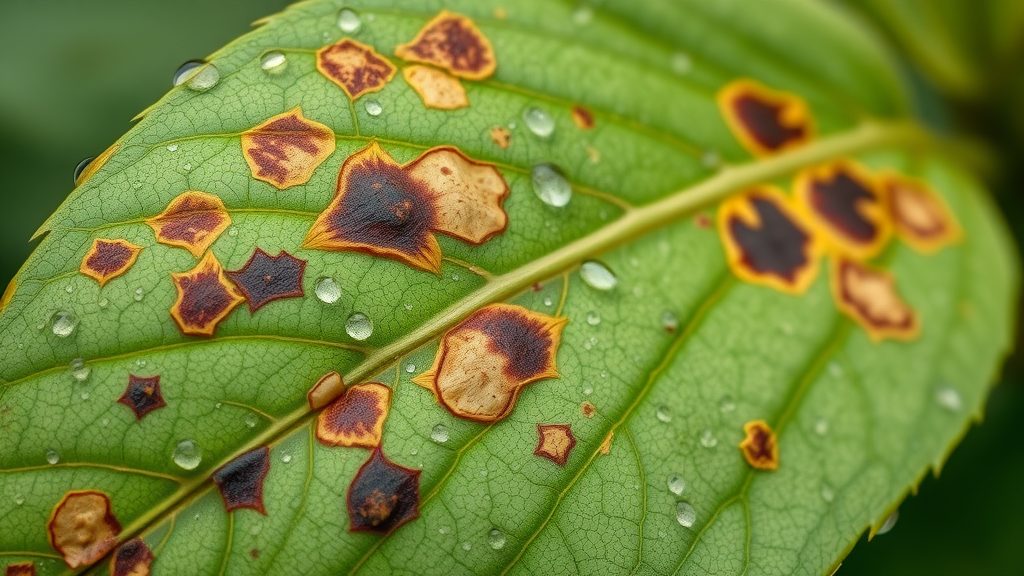
Each common disease in summer gardens—whether gray mold , downy mildew , or leaf spot —has its own signature symptoms, but all can devastate landscapes if ignored. Early detection enables targeted, eco-friendly responses; for instance, pruning out infected leaves limits spread and keeps plant problems contained to a small area of the garden. Meanwhile, organic sprays and improved watering practices bolster your garden’s defense against fungal diseases .
Fungal growth often accelerates after a single rainstorm or periods of dense humidity, so monitor plants immediately after these events. With the right approach, you can treat issues before entire plants—or even multiple landscape plants—become unsalvageable. Remember, every garden center is stocked with both organic and chemical remedies, so follow label instructions and choose products that suit your garden’s needs.
How Good Garden Habits Prevent Plant Disease and Fungal Disease Spread
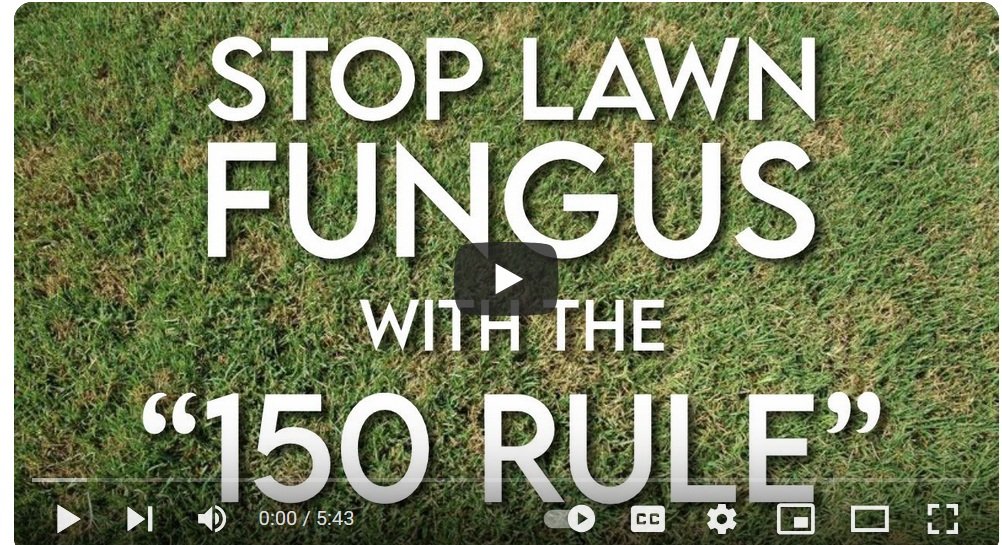
Healthy habits make the biggest difference in keeping summer gardens resilient. Strategic practices like soil care, crop rotation, and cleaning up plant debris disrupt the life cycles of both root rot and leaf spot . Routinely applying these techniques reduces future fungal risk and rewards you with stronger, less-stressed plants that resist infection naturally. Even your lawn fungus risk is lower with good watering habits and attentive yard care.
Remember, it doesn’t matter if you’re growing vegetables, annual beds, or ornamental trees and shrubs—fungal disease rarely discriminates. Step up your disease control game by acting early and consistently, as the best defense is always ongoing, attentive care.
Soil Care and Crop Rotation for Reducing Soil-Borne Fungal Diseases
-
Rotate crops yearly to break fungal life cycles.
-
Add compost to boost beneficial soil microbes.
-
Remove old plant debris after each harvest.
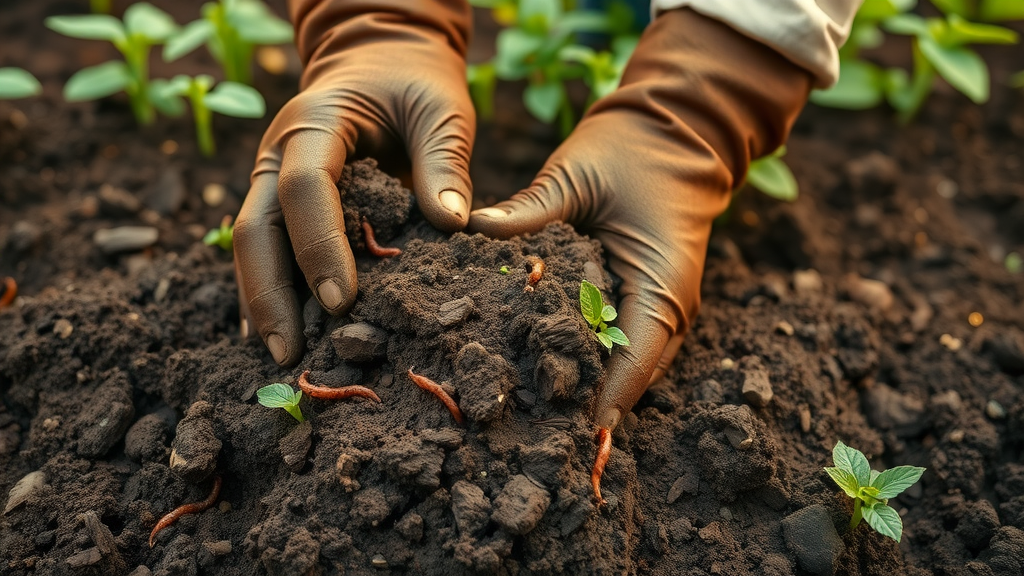
One of the most overlooked yet powerful disease control tactics is mindful soil management. Soil-borne fungal diseases such as root rot and late blight persist season after season unless interrupted by new crops. Rotating plant families each year denies fungi a consistent host, effectively “starving out” the disease cycle. Furthermore, regularly adding compost feeds beneficial microbes, crowding out pathogens and boosting good garden health naturally.
Old plant material left to rot becomes a reservoir for every kind of fungus, from powdery mildew to lesser-known soil fungi. Clean up rigorously after harvests—your future self (and garden plants) will thank you!
Proper Water Management: Stop Fungal Growth Before It Starts
"Water is life for plants, but standing water is life for fungal disease. Water wisely to keep your garden thriving and fungus-free." – Plant Pathology Expert
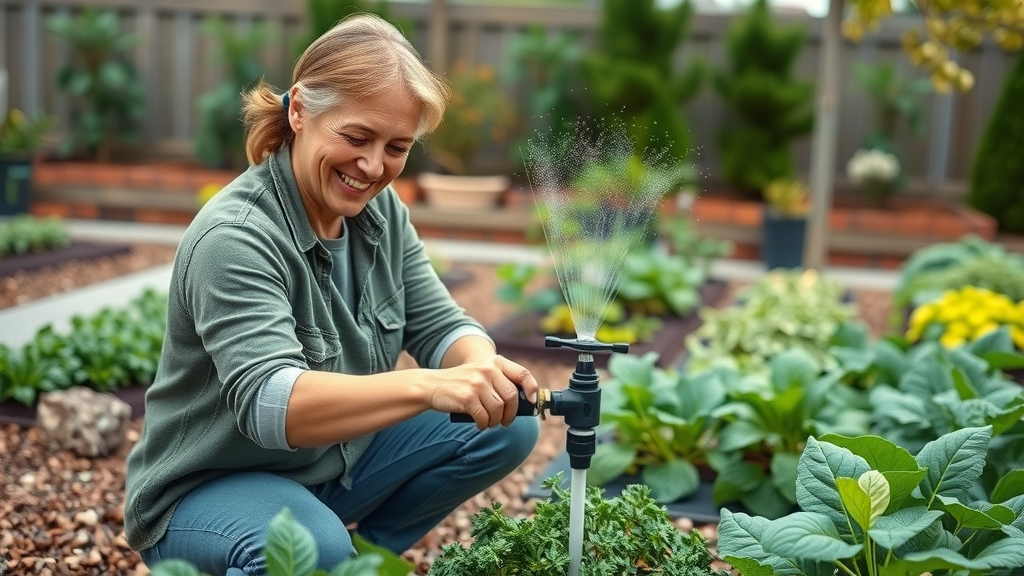
Effective water management is the frontline defense against lawn fungus and garden fungal issues. Instead of overhead sprinklers, switch to drip irrigation or soaker hoses that water at soil level. This keeps upper leaf surfaces dry, starving pathogens like downy mildew and gray mold of the moisture they crave. Monitor your soil—do not let water pool around roots, as constant moisture invites root rot and similar problems.
Always pay attention to weather patterns. Adjust watering (sometimes daily) during hot spells and after heavy rainfall. Early morning is the optimal time, giving plants a chance to dry quickly and setting you up for a fungus-free good garden day.
Must-Know Summer Gardening Do’s and Don’ts: Practical Gardening Tips to Avoid Fungus
-
DO prune dense foliage for better airflow.
-
DON’T overfertilize; excessive nutrients can stress plants.
-
DO clean garden tools regularly.
-
DON’T ignore early signs of fungal diseases.
Developing a checklist of dos and don’ts sharpens your defense against fungal diseases . Thinning out crowded foliage improves light and air, reducing hot, humid “pockets” where fungus takes hold unnoticed. On the other hand, too much fertilizer can burn roots, making garden plants more susceptible to leaf spot and black spot. Always sanitize garden tools between tasks—a simple rinse can prevent a world of plant problems!
Above all, treat every early symptom—wilt, yellow splotches, or white “dust”—as worth investigating. A single infected leaf ignored can jumpstart widespread fungal issues in your good garden before you realize it.
Natural and Chemical Remedies: Fight Summer Fungal Diseases Safely
-
Neem oil spray for organic control.
-
Baking soda solution as a preventive measure.
-
Copper-based fungicides for persistent issues.
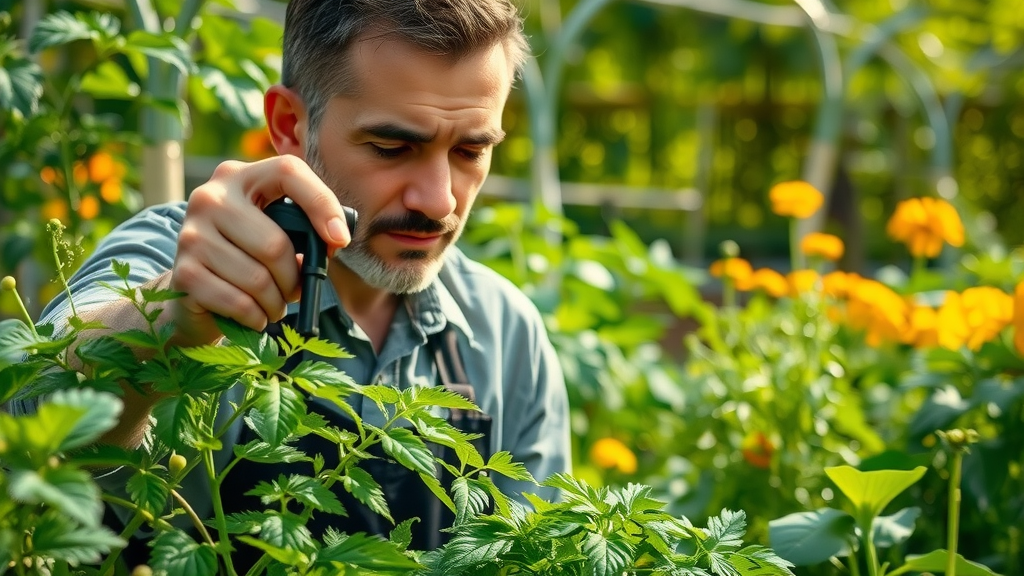
There are effective options for every gardening style—organic or conventional. Natural remedies like neem oil and baking soda solutions are gentle on beneficial insects yet tough on spores of downy mildew or leaf spot . For persistent, widespread outbreaks, copper-based fungicides deliver fast knockdown (just follow label instructions carefully for edible plants).
Always alternate products to avoid resistance and apply sprays on calm days, covering both the upper and lower leaf surfaces. If in doubt, consult your garden center for advice on targeted products and combinations for your toughest fungal issues . Remember, no single solution is enough—layer your approach for lasting disease control in your good garden.
Case Studies: How Smart Gardeners Prevent Plant Disease All Summer
-
Community garden reduced gray mold by 80% after installing drip irrigation.
-
Organic home growers eliminated recurring downy mildew through crop rotation and composting.
Real-world examples prove these tips work in diverse settings. In one urban community garden, volunteers installed a drip system and watched their gray mold outbreaks drop from constant to nearly zero, even in humid heatwaves. Another group of organic gardeners finally banished their recurring downy mildew by rotating crops and boosting soil with compost—breaking the cycle that allowed disease to return every July.
The lesson? Combination strategies and consistent habits pay off. Whether managing raised beds, flower borders, or rows of vegetables, customized approaches keep summer fungal diseases in check and protect your hard work season after season.
Expert Gardening Tips to Avoid Fungus During Summer: Insights from the Field
"The key to a good garden isn’t just planting, but anticipating disease before it strikes—that’s sustainable gardening."
Experienced gardeners know that disease prevention is an ongoing process—starting with seed selection all the way to end-of-season cleanup. Choosing plants that are susceptible to fewer diseases, following crop rotation plans, and keeping records of every outbreak will help you tweak your methods year after year. Anticipate periods when conditions are favorable for fungus, and stay proactive rather than reactive about plant health. Knowledge, observation, and action are the bedrock of a disease-free summer landscape.
If you’re unsure what step to take next, reach out to local extension services or your favorite garden center—many offer free or low-cost disease diagnostics and region-specific recommendations for fighting lawn fungus , black spot , and every fungal foe in between.
People Also Ask: How to Prevent and Manage Summer Gardening Fungus
How do you prevent fungus from growing in soil?
-
Regularly add compost and organic matter to enrich soil, improve drainage, and foster beneficial microbe populations. Avoid overwatering and rotate plant families yearly.
How can fungus growth be prevented?
-
Promote airflow, avoid leaf wetness by drip irrigation, mulch soil, and promptly remove infected plant material to halt fungal spores.
How to get rid of fungal disease in the garden?
-
Cut off affected leaves or stems, dispose of plant debris, use organic fungicides, and maintain dry foliage conditions wherever possible.
Does fungus grow in summer?
-
Yes, warm temperatures and humidity in summer create ideal conditions for fungal diseases to flourish, especially in overcrowded or damp environments.
Frequently Asked Questions About Fungal Disease Prevention for Summer Gardens
-
What are the best fungicides for vegetable gardens in summer?
-
How often should I inspect my plants for fungal signs?
-
Are there plants naturally resistant to fungal disease?
Always choose fungicides that are labeled safe for your specific plants and intended use—copper-based and biological fungicides are top picks for edibles. Inspect your plants at least twice weekly during peak humidity; early detection ensures fast action. Yes, several vegetable and flower varieties have been bred for disease resistance—ask your garden center for recommendations best suited to your local climate and typical plant disease threats.
Your Summer Action Plan: Proven Gardening Tips to Avoid Fungus and Ensure a Good Garden
-
Inspect gardens twice a week for early signs of fungal diseases.
-
Implement drip irrigation and mulch to keep foliage dry.
-
Prune regularly and dispose of diseased material immediately.
-
Apply organic fungicides at the first sign of trouble.

Ready to win your battle against summer fungus? Make these tips your weekly habit list for a truly resilient garden—catch problems before they escalate and address each with purpose. Your reward: longer bloom times, healthy produce, and a garden that thrives from June through September.
A Healthy, Good Garden Awaits: Master Gardening Tips to Avoid Fungus During Summer
-
Take charge this summer with these actionable gardening tips, stop fungal diseases fast, and grow a healthy garden you can be proud of. Want more expert advice? Join our gardening newsletter and never miss a tip!
Every season is a new chance to outsmart plant disease and fungal disease in your landscape. Put these proven strategies into action, and share your results—your good garden story is just beginning!
Takeaway: Build these habits now, stay observant, and your garden will reward you with beauty, health, and fewer fungal headaches all summer long.
Vegetable Garden Boxes Related Articles
- Avoid Plant Fungus During Summer – Stop Spread Fast!
- Avoid These Mistakes When Picking the Right Gardening Tools
- Choosing The Best Location For Your Garden
- Garden Pests? Here's the Fast Fix
- Herb Gardening Secrets for Fresh Flavors All Year!
- Master the Requisites of the Home Vegetable Garden Now!
- Master Vegetable Gardening: Grow Fresh Veggies Now!
- Raised Vegetable Boxes for Seniors: Easy Garden Solutions
- Starting Plants From Seeds?
- Struggling with Vegetable Garden Boxes? Easy fixes here!
- The Cultivation of Vegetables: Secrets to a Bountiful Harvest