


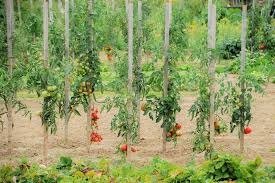
Did you know a well-tended herb garden can save the average household over $100 every year on fresh herbs? By uncovering the best-kept secrets and science-backed strategies of herb gardening , you can ensure vibrant flavors straight from your garden bed no matter the season. In this comprehensive guide, you’ll learn how to design a thriving kitchen garden, choose the right herb plants for every growing season, and preserve those fresh flavors to enjoy all year. Whether you’re a seasoned gardener or just starting out, these practical steps unlock culinary creativity and sustainable living—direct from your own backyard!
Unlocking the Power of Herb Gardening for Year-Round Fresh Flavors
Starting a herb garden isn’t just about adding aroma and color to your backyard or windowsill—it’s a direct path to culinary adventure, health, and sustainability. The beauty of herb gardening is its accessibility: you don’t need vast land or years of experience. Even in a modest space, a few strategic steps can yield fresh herbs for every meal and support your well-being. By understanding plant families and using a robust garden plan , gardeners maximize both yield and diversity, ensuring year-round harvests.
A practical example: integrating mint, basil, and lemon balm in their own containers or beds not only keeps aggressive herbs from overwhelming others but elevates your kitchen garden’s output. Unexpectedly, learning about your local climate, maximizing hours of direct sun, and giving attention to plant family compatibility can transform a simple herb patch into a robust, perennial source of fresh flavors. Ready to uncover the secrets that seasoned gardeners swear by? Let’s dig in to the practical steps for abundant herb gardening success!
Building a Thriving Herb Garden: Practical Steps and Essentials
Designing Your Garden Plan for Herb Gardening Success
-
Site selection for maximum sunlight
-
Determining the right garden bed or raised garden for herbs
-
Creating a garden plan integrating culinary and medicinal herb plants
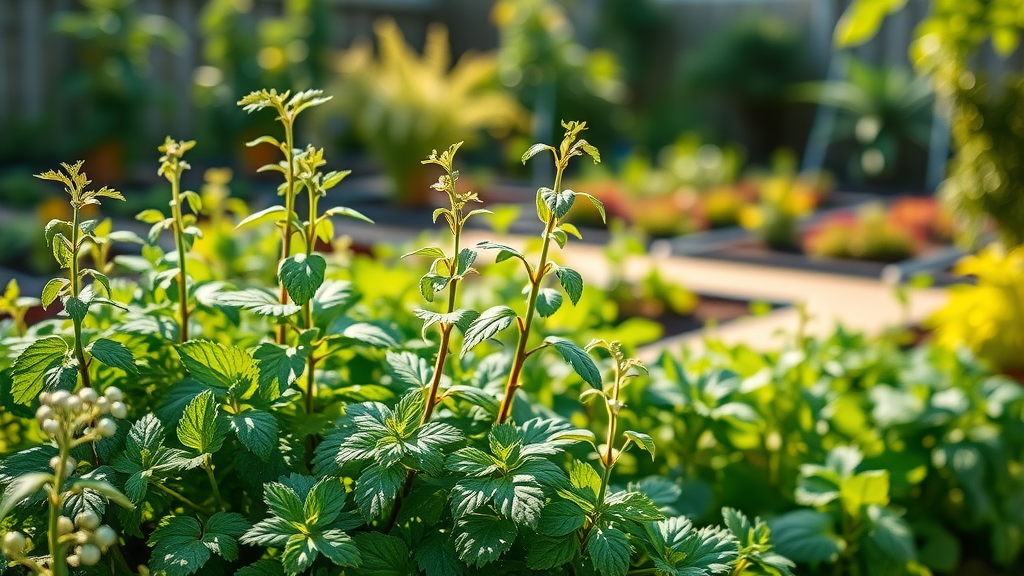
Every successful herb garden begins with a thoughtful garden plan . Start by identifying a space that offers at least 6–8 hours of direct sun, as most herb plants , including sage, oregano, and parsley, thrive in sunlight-rich environments. For city dwellers or those with limited outdoor space, raised garden beds or container gardens can create a special space that maximizes available sunlight and improves soil control. Pay special attention to drainage: avoid heavy areas with clay soil or standing water, which can stunt root development and lead to die back.
Integrate both culinary and medicinal herbs into your garden plan for variety and year-round use. Design your garden bed by grouping plant families with similar water and light needs—like thyme and rosemary, both Mediterranean herbs loving drier conditions, or basil and parsley, which thrive in consistently moist soil. This not only simplifies daily care but encourages a harmonious growing environment. Sketch your plan, noting the eventual size and shape of each herb plant to prevent overcrowding and promote overall health.
Choosing Easy to Grow Herb Plants for Every Season
-
Annual vs perennial herb plants within your plant family
-
Best herb plants for beginners
-
Combining herb gardening with a vegetable garden
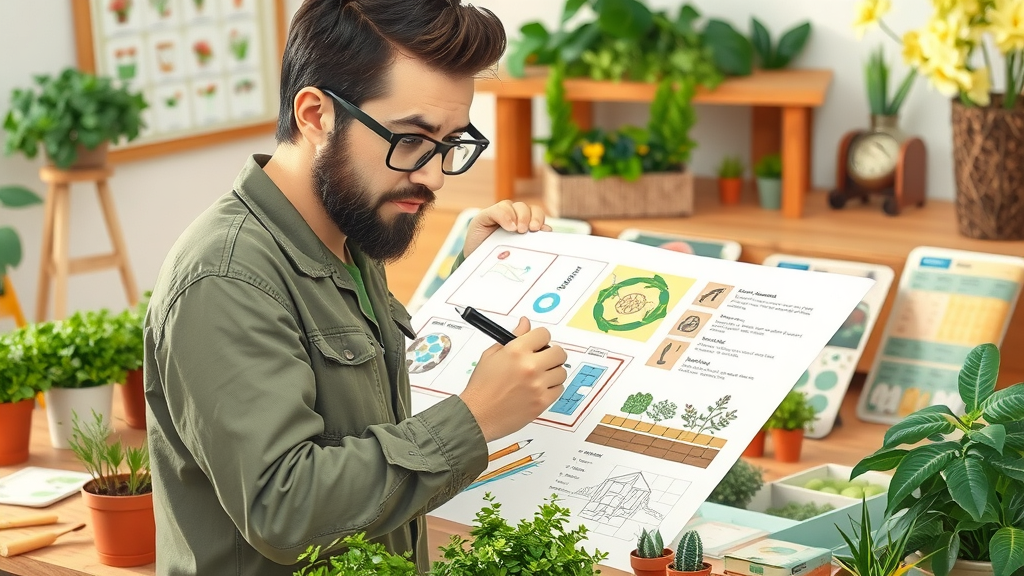
Choosing easy to grow herb varieties is essential for a productive, low-stress experience—especially for beginners. Annual herbs like basil, cilantro, and dill complete their life cycle within one growing season, offering rapid harvests but requiring replanting yearly. Perennial herbs such as rosemary, thyme, and chives return each year, providing sustained fresh herbs for your kitchen with less effort over time. When planning your beds, balance these types based on your culinary needs and willingness to reseed or replant each season.
For new gardeners, start with 3–5 easy to grow herb plants that suit your cooking preferences, such as basil, parsley, and chives. These are reliable, quick to germinate, and forgiving of minor mistakes—making them an ideal foundation before experimenting with more demanding plants. Consider intermingling herbs with a vegetable garden : not only does this maximize your space, but certain combinations like basil and tomatoes are classic companions that benefit each other’s growth. Choose adaptable containers with ample drainage holes or use a raised garden for improved flexibility and results.
Soil Requirements and Preparation for Herb Gardening
-
Soil quality and pH for thriving herb plants
-
Preparing the garden bed or raised garden for optimal root growth
-
Organic amendments and drainage tips
The cornerstone of every successful herb garden is healthy, well-prepared soil. Most herb plants prefer light, loamy soil with excellent drainage, allowing roots to access oxygen and nutrients without sitting in stagnant water. If your yard has heavy clay soil , amend it with well-rotted compost and coarse sand to improve structure and prevent waterlogging. Aim for a neutral to slightly alkaline pH—typically around 6.5 to 7.5—since many culinary herbs struggle in acidic environments.
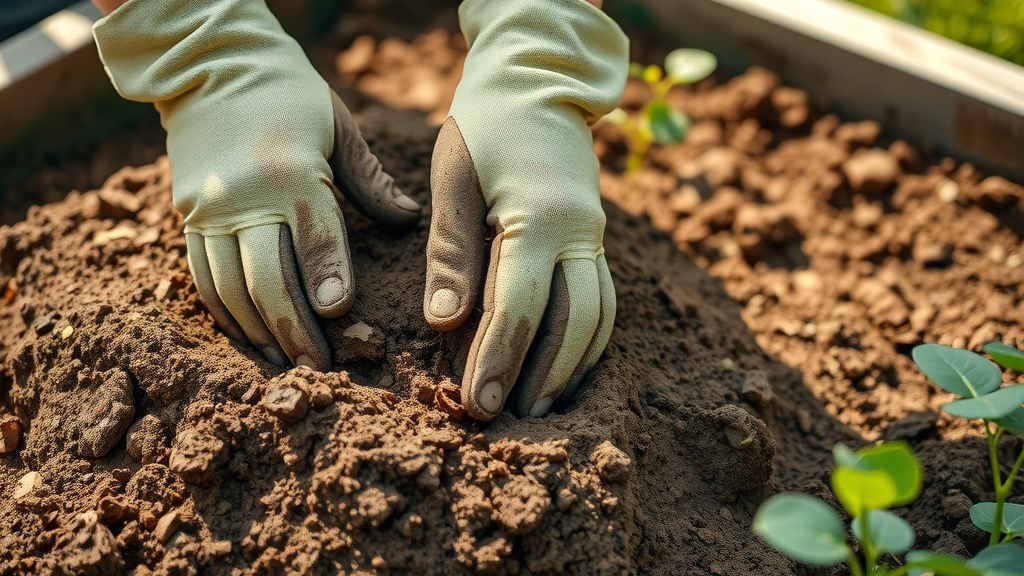
Before planting, work organic amendments like compost, leaf mold, or aged manure deeply into the garden bed or raised garden. For containers, select a high-quality, lightweight potting mix and check each pot for at least one drainage hole to ensure excess water can escape easily. This simple step helps protect delicate roots from rot and sets the stage for robust, healthy plants throughout the growing season . Annual additions of compost and biannual soil testing keep your herb garden beds productive and nutrient-rich year after year.
Speedy Seed Starting and Propagation Methods for Herb Gardening
-
Direct seeding vs transplants for herb gardening
-
Seed starting advice for popular plant families
-
Stem cutting, layering, and division for herb plants
Whether you’re eager to start from seed or prefer buying young herb plants , understanding propagation methods helps you grow your own fresh flavors at minimal expense. Direct seeding —sowing seeds right into your garden bed or raised garden—is ideal for fast-germinating annuals like cilantro and dill. For more tender herbs, such as basil, seed starting indoors allows you to get a head start on the season and produce robust seedlings ready to thrive once frost danger has passed. Use trays with adequate drainage holes and a reliable seed starting mix for best results.
Many perennial herbs (like rosemary and mint) can be multiplied by stem cuttings, layering, or even division at the start of spring or the close of the growing season. These techniques are especially useful if you want to share your favorite herb plants with friends or expand your own kitchen garden. Whichever method you choose—seeds, cuttings, or nursery transplants—ensure each young plant receives plenty of light, gentle watering, and a gentle transition into outdoor growing conditions.
Daily Care and Maintenance in Herb Gardening
Watering, Pruning, and Feeding Your Herb Garden
-
Best watering schedule for herb plants
-
Pruning techniques to boost fresh herbs yield
-
Organic feeding and mulching in garden beds
Maintaining healthy, productive herb garden beds is all about balanced daily care. Most herb plants thrive when watered deeply but infrequently, encouraging roots to grow downward and become resilient to drought. Early morning is the best time to water, helping prevent fungal diseases and reducing evaporation loss. Monitor rainfall and soil moisture, adjusting your schedule as needed, particularly during prolonged dry spells or intense heat.
Regular, light pruning is key to maximizing fresh herbs harvests and prolonging your plant’s life cycle. Trim just above a leaf node to encourage bushy, productive growth—harvesting sprigs often provides both culinary benefits and healthy plants. Monthly or bi-monthly feeding with organic teas or a gentle slow-release fertilizer supports vigorous growth, while a thin mulch layer helps retain soil moisture and deters weeds. These practices help keep your garden bed lush and full throughout the growing season.
Pest and Disease Prevention in Herb Gardening
-
Integrated pest management for fresh herbs
-
Natural remedies and companion planting
-
Common plant family vulnerabilities and solutions
Pest and disease management is crucial for long-lasting herb gardens . Adopting integrated pest management protects your fresh herbs without over-relying on chemicals. Attract beneficial insects like ladybugs and lacewings by planting flowering companions or using insectary plants such as dill or fennel. Physical barriers (like row covers or copper tape) help deter slugs and snails, while regular monitoring lets you intervene early if issues appear.
Some plant families are susceptible to unique pests or diseases. For example, basil can attract aphids, and mint may succumb to rust or mildew if air circulation is poor. Planting resistant varieties, rotating crops, and practicing good garden hygiene goes a long way in preventing major outbreaks. Whenever possible, use natural remedies—like neem oil, insecticidal soaps, or garlic sprays—and encourage biodiversity in your kitchen garden for resilient, thriving herb plants.
Harvesting and Preserving Fresh Herbs from Your Herb Garden
When and How to Harvest Herb Plants for Maximum Freshness
-
Identifying peak harvesting times for each plant family
-
Techniques to ensure continued production
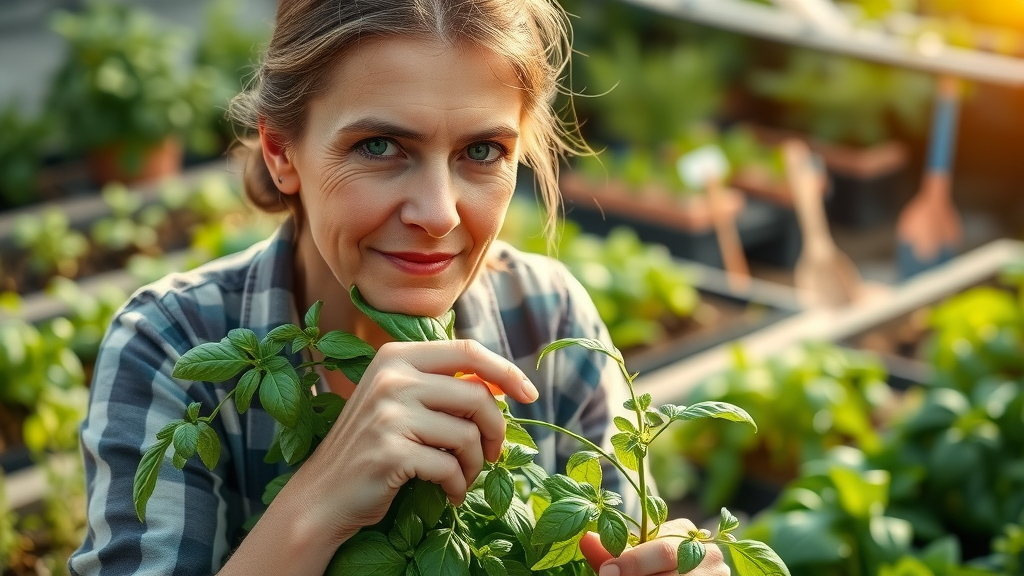
The secret to vibrant, aromatic, and long-lasting fresh herbs is timely, gentle harvesting. Pick most leafy herb plants —like basil, cilantro, and mint—just before they flower, as this is when their essential oils are most concentrated. Harvest by pinching or snipping stems just above a leaf pair, encouraging new growth and preventing your plants from bolting or dying back early in the season.
For robust garden bed productivity, harvest a little at a time from several plants rather than stripping one entirely. This technique not only ensures continual, year-round supply but also keeps the plant families strong and healthy. Woody perennials, like rosemary and thyme, benefit from light, regular clipping, which stimulates bushier growth and maintains their productive life cycle over several years.

Preserving and Storing Fresh Herbs Year-Round
-
Drying, freezing, and infusing tips
-
Recipes and creative uses for preserved herbs
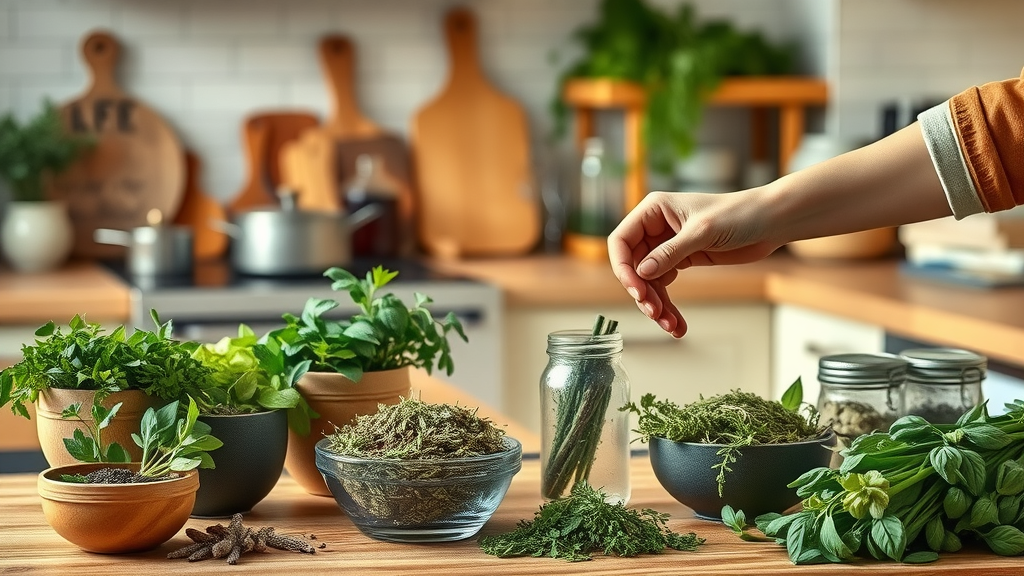
To savor your homegrown flavors beyond the growing season, invest time in simple preservation methods. Drying is ideal for woody herbs like oregano, sage, and thyme: tie small bundles and hang them in a warm, well-ventilated spot until crisp. For tender herb plants such as parsley or basil, freezing retains color and flavor—just chop the leaves, pack them in ice cube trays with a little water or olive oil, freeze, and transfer to airtight containers for winter use.
Infusing oils, vinegars, or even salts with fresh herbs unlocks new culinary options and makes creative gifts. Explore recipes that combine your preserved herbs into homemade pestos, compound butters, or seasoning blends, ensuring that your herb gardening efforts enhance every meal well after frost arrives. Proper storage—airtight jars in a cool, dark place or labeled freezer bags—guarantees freshness until next year’s harvest.
Creative Raised Garden and Indoor Herb Gardening Solutions
-
Using raised garden beds for space-saving herb gardening
-
Indoor herb garden ideas for small spaces
-
Incorporating herb gardening into your vegetable garden design
If you have limited outdoor space or wish to grow your own fresh flavors year-round, raised garden beds and indoor containers offer adaptable solutions. Raised beds improve drainage and warm up quickly in spring for earlier planting, making them perfect for city lots or backyards with poor soil. Modular designs allow you to customize depth and shape based on the root needs of various herb plants and plant families .
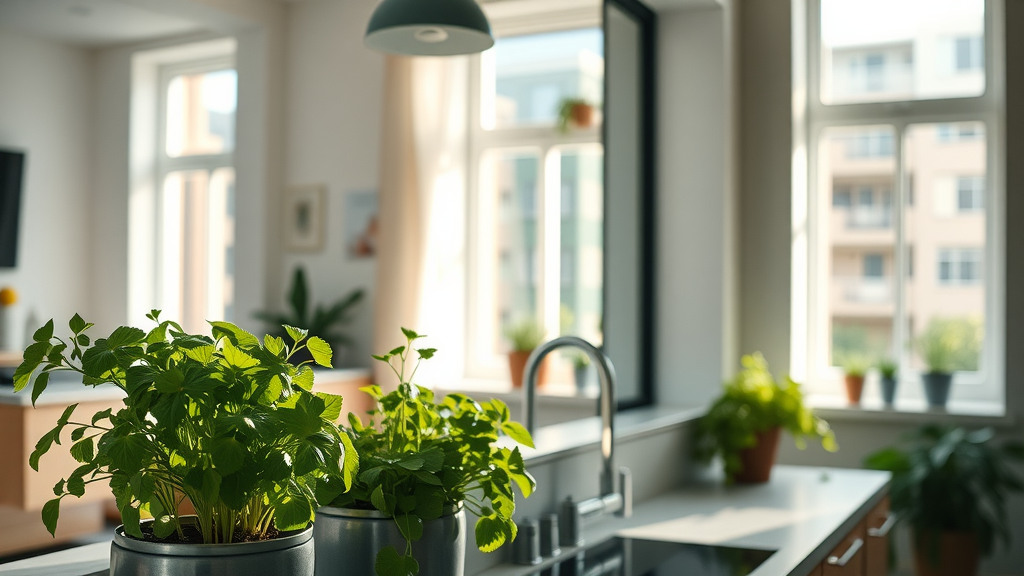
For indoors, all you need is a sunny windowsill and a few well-placed pots with drainage holes . Select compact herbs like chives, thyme, or parsley, and rotate planters to ensure every leaf gets ample sunlight. Incorporate your herb gardening into the kitchen or even your office for convenience, beauty, and easy access to fresh herbs . Don’t forget to refresh soil annually, prune regularly, and check moisture levels often, as indoor air dries soil quickly. By weaving herbs throughout your kitchen or vegetable garden design, you create a special space that’s as gorgeous as it is productive.
Herb Garden Layout Inspiration and Plant Family Pairings
-
Sample layouts for kitchen, medicinal, and tea herb gardens
-
Plant family groupings for companion planting
-
Rotating herb plants for garden health
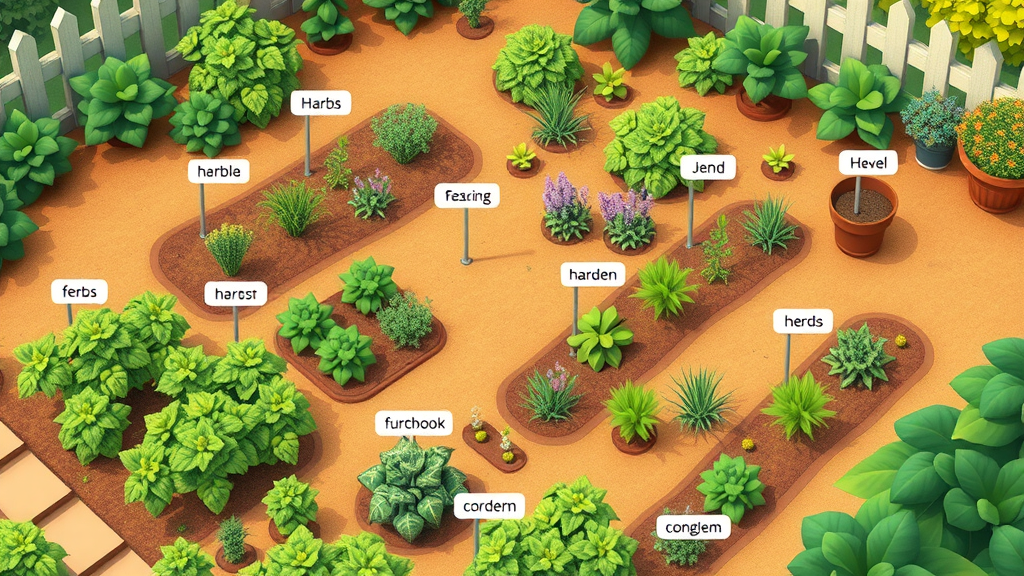
Choosing a creative layout for your herb garden makes daily care easier and enhances plant health. A simple strategy is to group plant families together, such as placing all Mediterranean herbs (rosemary, sage, oregano, thyme) in the sunniest portion of your bed and reserving shadier spots for delicate plants like mint or lemon balm (best in containers to prevent spreading). For those cultivating medicinal or tea gardens, cluster herbs that share similar harvesting times and life cycles for efficient use and rotation.
Frequent rotation and companion planting reduce pests and disease buildup within the garden bed. For example, avoid planting mint with most other herbs—it’s best to keep aggressive plants contained. Evaluate sun exposure and garden bed size to design layouts that best suit your needs—check out the table below for ideas. Experiment with adding flowering plants or integrating herbs into your regular vegetable garden to attract pollinators and deter pests naturally.
|
|
|
|
Sample Herb Garden Layouts by Garden Bed Size and Sun Exposure |
|
Bed Size |
Full Sun (6-8+ hrs) |
Partial Sun (4-6 hrs) |
Shade (2-4 hrs) |
|---|---|---|---|
|
Small (2x4 ft) |
Rosemary, Basil, Thyme |
Chives, Parsley, Cilantro |
Mint, Lemon Balm |
|
Medium (4x6 ft) |
Sage, Oregano, Lavender |
Dill, Chervil, Chives |
Mint, Lemon Balm, Violet |
|
Large (4x8 ft+) |
Mixed Med. Herbs, Basil Patch |
Chives, Parsley, Dill, Sorrel |
Mint, Lemon Balm, Shiso |
Sourcing Quality Herb Plants and Seeds for Your Herb Gardening Journey
-
Trusted sources for certified herb seeds and plants
-
Evaluating plant family varieties and choosing disease-resistant stocks
-
Seed starting vs nursery plants
Securing quality herb plants and seeds is where many gardening journeys begin. Visit a reputable nursery, a local hardware store, or dedicated online suppliers for certified, disease-free plant stock. Read labels carefully to learn about the origin, life cycle , and specific care needs of each plant family. Choosing disease-resistant varieties gives your herb garden a head start against common challenges—especially useful for basil (downy mildew) or parsley (leaf spot).
If you decide to start from seed, opt for companies with transparent sourcing and reviews. For immediate results, buying herb plants allows you to jump straight into gardening—ideal for impatient or late-season gardeners. Either way, learning first and buying wisely ensures your kitchen garden is built on healthy roots and a diverse mix of herb plant families that will thrive for seasons to come.
Expert Tips: Maximizing the Abundance of Fresh Herbs
"A thriving herb garden is the heart of the kitchen—its flavors can transform every meal." — Renowned Chef Maria Beaumont
-
Succession planting and year-round garden plans
-
Mixing annual, biennial, and perennial herb plants
-
Leveraging the micro-climate of garden beds
For advanced abundance, practice succession planting: stagger your planting dates throughout the growing season to keep a continuous supply of fresh herbs at your fingertips. Plan your beds to include a mix of annual, biennial, and perennial herbs—this encourages a resilient, layered kitchen garden that flourishes across every season and weather pattern. Don’t overlook the micro-climates within your own garden: raised beds may warm quickly in spring, while beds shaded by afternoon trees may support delicate herbs through summer heat.
Regular observation, experimentation, and notes on what thrives in your own garden bed will make your herb gardening journey even more rewarding. From using companion plants for pest control to rotating plant families for soil health, these professional secrets unleash an abundance of flavor and color—all from your special space for growing herbs.
People Also Ask
What herbs should not be planted together?
-
Avoid growing mint with most other herbs as it can overwhelm; keep dill away from carrots; don’t plant basil with rue; and generally separate aggressive, spreading herb plants from slow growers for garden harmony.
What time of year should I start an herb garden?
-
Spring is ideal for most regions, though seed starting for tender herb plants can begin indoors late winter. Perennials like rosemary and thyme can be started as soon as frost danger passes.
How do you start an herb garden for beginners?
-
Select 3–5 easy to grow herb plants (like basil, parsley, chives). Prepare a small garden bed or container in a sunny area. Choose well-draining soil, keep herbs watered, and harvest regularly.
What is the best layout for an herb garden?
-
Arrange taller herb plants like rosemary and sage at the back (north side), medium in the middle, and low growers in front. Group by plant family compatibility and sun needs for a thriving herb garden.
Frequently Asked Questions about Herb Gardening
-
How do you keep fresh herbs producing all season? — Regular pruning, feeding, and mulching; harvesting often and avoiding flower production keeps herbs producing continual fresh shoots.
-
Can you grow herbs indoors year-round? — Yes, with a sunny window or artificial grow lights, most herbs will thrive indoors all year when kept well-watered and pruned.
-
Which herb plants work well together in a garden bed? — Mediterranean herbs (rosemary, sage, oregano, thyme) grow well together, while basil and parsley pair nicely in moister soils. Avoid aggressive spreaders like mint in mixed beds.
-
Is it better to grow herbs from seed or seedlings for beginners? — Beginners benefit from seedlings for quick results and less fuss, but seed starting is cost-effective and allows for greater variety and learning.
Summary of Key Steps for Successful Herb Gardening
-
Start with a solid garden plan and quality herb plants or seeds.
-
Focus on plant family groupings for companion planting.
-
Regularly prune, feed, and harvest for the best supply of fresh herbs year-round.
Take Your Herb Gardening to the Next Level: Get Started Now!
With these secrets and proven strategies in hand, you’re equipped to grow your own fresh herbs regardless of space or season. Shape your own kitchen garden , experiment with new flavors, and reap year-round rewards—start planting today and savor every harvest!
Vegetable Garden Boxes Related Articles
- Avoid Plant Fungus During Summer – Stop Spread Fast!
- Avoid These Mistakes When Picking the Right Gardening Tools
- Choosing The Best Location For Your Garden
- Garden Pests? Here's the Fast Fix
- Herb Gardening Secrets for Fresh Flavors All Year!
- Master the Requisites of the Home Vegetable Garden Now!
- Master Vegetable Gardening: Grow Fresh Veggies Now!
- Raised Vegetable Boxes for Seniors: Easy Garden Solutions
- Starting Plants From Seeds?
- Struggling with Vegetable Garden Boxes? Easy fixes here!
- The Cultivation of Vegetables: Secrets to a Bountiful Harvest