


 It's amazing that just one square meter of a well-maintained vegetable garden can yield over four kilograms of fresh produce each season. The cultivation of vegetables is more than a hobby; it’s a science-backed journey that rewards patience and knowledge with overflowing baskets of nutritious crops. Whether you are a beginner with a tiny backyard or an ambitious grower with visions of a bustling vegetable farm, this comprehensive guide will reveal how to unlock the full potential of your land and cultivate vegetables for a sustained, impressive harvest.
Unlocking the Potential: Surprising Facts About the Cultivation of Vegetables
-
A single square meter of vegetable garden can produce over 4kg of fresh produce each season.
-
Commercial vegetable farming accounts for nearly 70% of the world’s non-grain food supply.
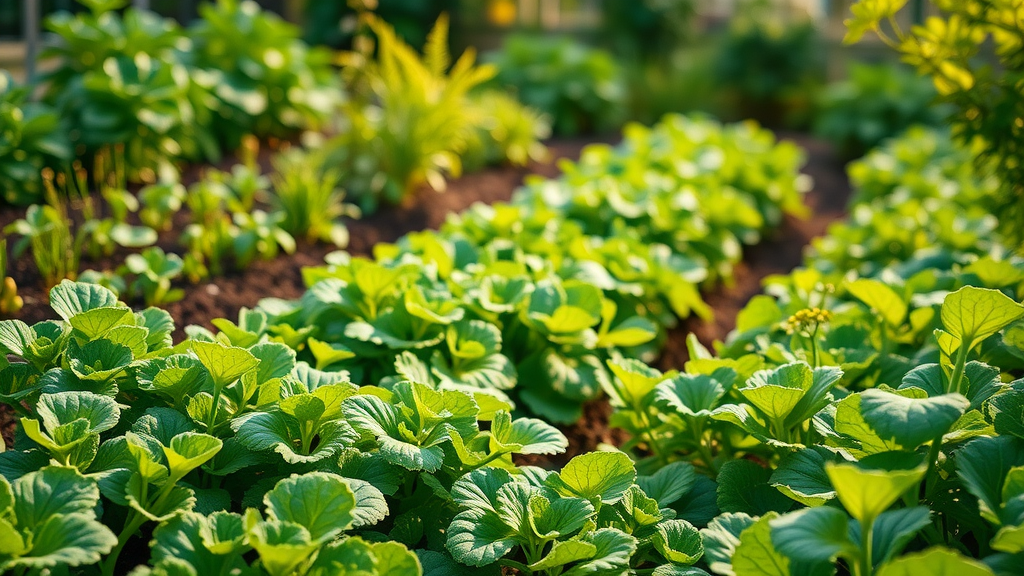
The impact of the cultivation of vegetables reaches far beyond personal enjoyment. Growing vegetables creates a direct link to food security, community wellness, and even global nutrition. With proper planning and practices, urban and rural gardens alike can supply large quantities of food, turning underutilized land into thriving oases. Whether you start a vegetable garden at home or aspire to join the ranks of professional vegetable growers, understanding these statistics will motivate you to maximize your yields through every stage of the process.
What You'll Gain from Mastering the Cultivation of Vegetables
-
Step-by-step strategies for vegetable gardening success
-
Proven methods utilized by top vegetable farms and home gardens
-
Expert tips for maximizing vegetable production and yields
By exploring the proven secrets of the cultivation of vegetables , you’ll learn not just how to grow vegetables, but how to create an efficient garden plan, maintain soil health for thriving crops, and handle every challenge from pests to post-harvest storage. Mastering these skills transforms your vegetable gardening experience, leading to healthier plants, tastier harvests, and even new income opportunities through market gardening. If you've ever wanted to learn how vegetable growers produce abundant, healthy crops season after season, this is your ultimate resource.
Understanding the Cultivation of Vegetables: Core Concepts for Every Vegetable Garden
What is the Cultivation of Vegetables?
The cultivation of vegetables is both a science and an art that combines soil science, plant biology, and environmental awareness for optimal yields.

At its core, the cultivation of vegetables involves the purposeful growing of edible plants for human consumption. This intricate process blends traditional agricultural wisdom with modern research, aiming for productive, sustainable, and nutritious yields. As a vegetable grower, you must understand plant needs—like soil type , water, sunlight, and temperature—and balance those against climate, pests and diseases, and continually evolving farming technologies. Whether your goal is homestead self-sufficiency, supplementing your table, or entering commercial crop production, recognizing the art and science behind each step transforms your garden or farm’s outcome.
What Does It Mean to Cultivate Vegetables?
-
Preparing the soil, selecting the right vegetable crops, and applying best planting practices.
To cultivate vegetables means to engage in a deliberate cycle starting with soil preparation and seed selection, continuing through planting, nourishing, protecting, and culminating in harvesting mature crops. This process can range from small-scale home gardens to expansive commercial vegetable farms, but fundamentally, it’s about planning, nurturing, and responding to both plant and environmental needs. Implementing crop rotation, monitoring frost dates, and making smart planting choices ensures your vegetable production remains healthy and continuous through changing seasons.
Essential Steps in Planning Your Home Garden and Vegetable Farm
Creating a Garden Plan for Successful Vegetable Production
-
Site selection and sunlight requirements for vegetable farming
-
Mapping out your vegetable garden for maximum efficiency
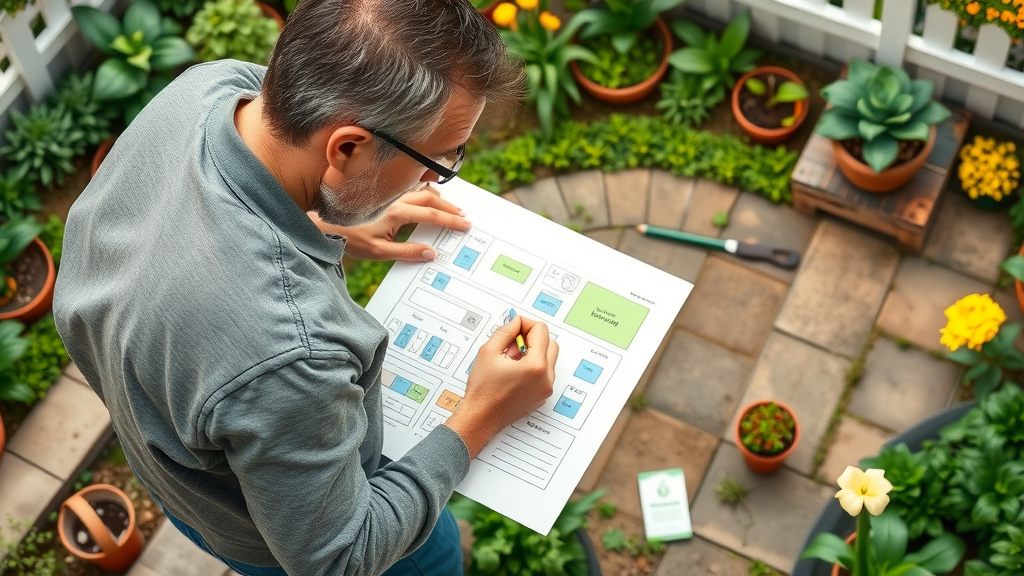
Every bountiful harvest begins with a well-thought-out garden plan . The success of your home garden or vegetable farm hinges on selecting an optimal site—ideally one that receives at least six to eight hours of direct sunlight daily and is protected from harsh winds or floods. Carefully mapping zones for each type of crop allows for organized rotation and maximized space, whether you use traditional rows, raised beds , or container gardens. Remember to factor in access paths and room for crop expansion: a detailed plan helps you avoid overcrowding, making yearly improvements easy. Smart layout not only increases your yield but also streamlines pest control, irrigation, and post-harvest routines.
Choosing the Best Vegetables to Grow for Your Climate and Season
-
List of high-yielding vegetable crops for diverse regions (Table)
Success in growing vegetables depends on choosing varieties suited to your local climate, weather extremes, and the length of your growing season . Whether you're planning an urban home garden or managing a large-scale vegetable farm, always check your average frost dates and select crops that mature within your region’s window. For instance, cool-season hardy crops like lettuce, spinach, and peas thrive in early spring, while warm-season plants such as tomatoes, beans, and sweet corn require sustained warmth. Consulting regional cooperative extension guides and seed catalogs ensures you grow vegetables that are not only productive but also resilient. Strategic crop selection guarantees variation, staggered harvests, and less vulnerability to common pests and disease.
|
|
|
High-Yield Vegetables by Region and Season |
|
Region |
Cool Season Vegetables |
Warm Season Vegetables |
|---|---|---|
|
Northern US/Canada |
Spinach, Kale, Peas, Radish |
Tomato, Zucchini, Beans, Carrot |
|
Southern US/Europe |
Lettuce, Broccoli, Onion, Beet |
Okra, Eggplant, Sweet Corn, Pepper |
|
Tropics/Subtropics |
Cabbage, Swiss Chard, Turnip |
Yam, Pumpkin, Chili, Eggplant |
Soil Preparation: The Foundation for Thriving Vegetable Crops
Analyzing Soil Types for Vegetable Production
-
Understanding soil pH and organic matter requirements
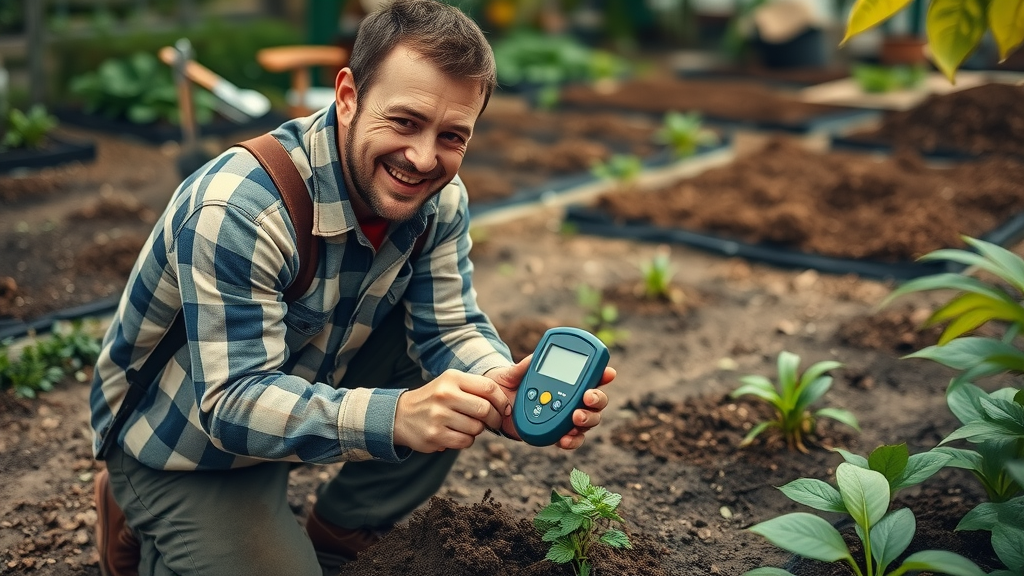
The backbone of any successful vegetable garden or vegetable farm is healthy, well-prepared soil. Begin by analyzing the soil type—whether sandy, loamy, or clay—because each offers unique benefits and challenges to vegetable crops . Testing for soil pH (ideally between 6.0 and 7.0 for most vegetables) and organic matter content is essential for optimal vegetable production. Amending poor soils with compost, well-rotted manure, or organic matter improves both soil fertility and soil structure, allowing roots to access nutrients and water effectively. Regular soil tests and adjustments, like adding lime to raise pH or sulfur to lower it, will keep your crops robust through each growing cycle.
Essential Amendments for Vegetable Gardening
"Healthy soil is the heartbeat of any productive vegetable farm."
Enriching your garden's soil goes beyond adding compost. Include amendments like phosphate rock for phosphorus, bone meal for calcium and nitrogen, and green manure crops for diverse micronutrients. Rotating vegetable crops annually and planting nitrogen-fixing legumes helps sustain soil health and prevent nutrient depletion. Regular top-dressing and mulching not only boost soil fertility but also improve moisture retention and suppress weeds, setting the foundation for continual bountiful yields.
|
|
|
Common Soil Amendments for Vegetable Gardens |
|
Amendment |
Main Nutrient |
Benefit |
|---|---|---|
|
Compost |
Balanced |
Adds organic matter, improves soil structure |
|
Manure (Well-rotted) |
Nitrogen, Phosphorus, Potassium |
Boosts fertility, enhances moisture retention |
|
Bone Meal |
Phosphorus, Calcium |
Stimulates root development and flowering |
|
Rock Phosphate |
Phosphorus |
Supports strong growth in root crops |
|
Greensand |
Potassium |
Improves soil texture and nutrient retention |
|
Lime |
Calcium |
Raises soil pH for acid soils |
Mastering Planting Techniques for Growing Vegetables
Direct Sowing vs. Transplanting in Vegetable Farming
-
When to sow seeds directly vs. using nursery transplants
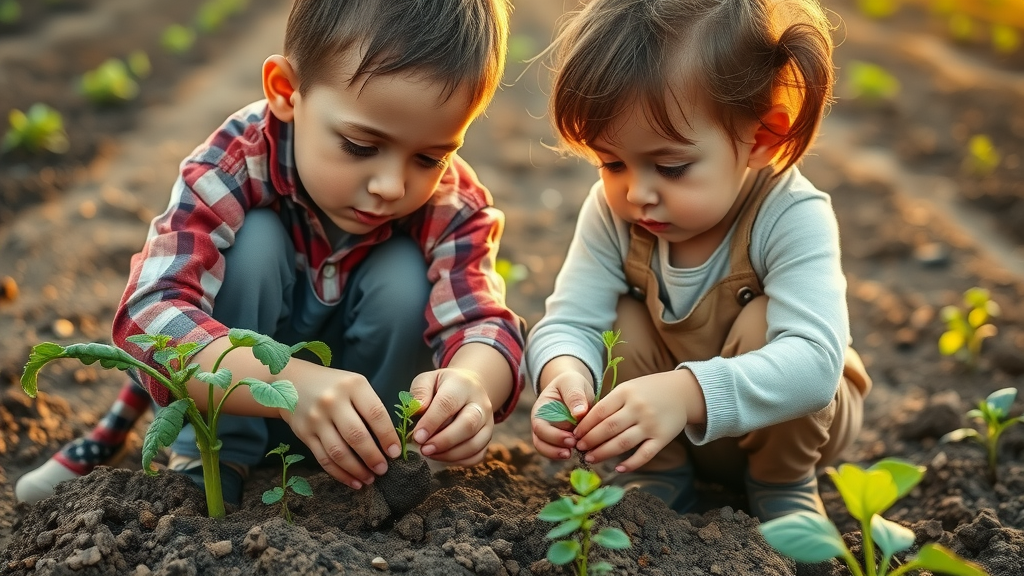
Mastering the best planting method for each vegetable crop is critical. Direct sowing —placing seeds straight into garden beds—is ideal for hardier plants like beans, carrots, and radishes, which dislike root disturbance. Sensitive plants or those with a long growing season (like tomatoes, peppers, and eggplant), benefit from transplanting as nursery starts. This gives them a head start before they face outdoor conditions. Understanding the seeds’ preferences as part of your garden plan and timing based on frost date or soil warmth ensures each crop achieves its full productive potential.
Companion Planting in Vegetable Gardening: Boosting Yields Naturally
-
List of effective vegetable crop pairs and their mutual benefits (companion planting table)
"Some vegetables simply grow better together—harness this simple trick for healthier plants!"
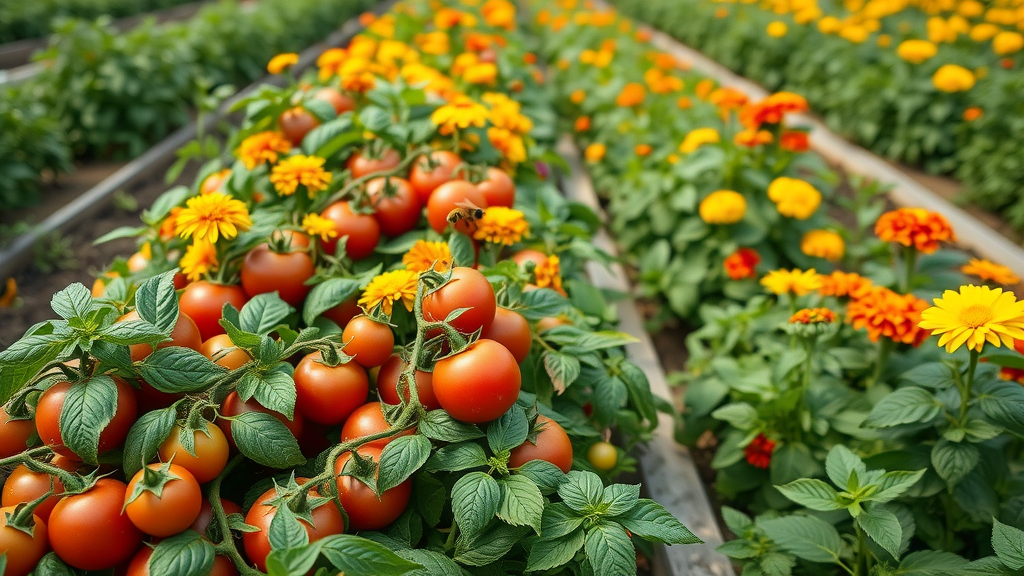
Companion planting is one of the simplest, most natural tools for maximizing productivity and resilience in your vegetable garden . By pairing compatible plants—such as tomatoes with basil, carrots with onions, or sweet corn with beans—you can repel pests, enhance pollination, and even improve flavor and plant health. Incorporating these combinations in your garden or farm layout leads to fewer issues with pests and diseases and naturally higher yields year after year. For vegetable growers aiming for sustainable, chemical-free production, companion planting tables offer tried-and-tested pairings to boost every harvest.
|
|
|
Effective Companion Plant Pairs |
|
Crop |
Best Companions |
Main Benefit |
|---|---|---|
|
Tomato |
Basil, Marigold, Onion |
Repel pests, enhance flavor |
|
Carrot |
Onion, Chive, Lettuce |
Deters root flies, maximizes space |
|
Sweet Corn |
Beans, Squash, Pea |
Adds nitrogen, shades soil |
|
Cucumber |
Dill, Nasturtium |
Repels beetles, attracts pollinators |
Watering Strategies for Robust Vegetable Production
Irrigation Systems for Home Gardens and Commercial Vegetable Farms
-
Drip irrigation vs. sprinkler vs. manual watering
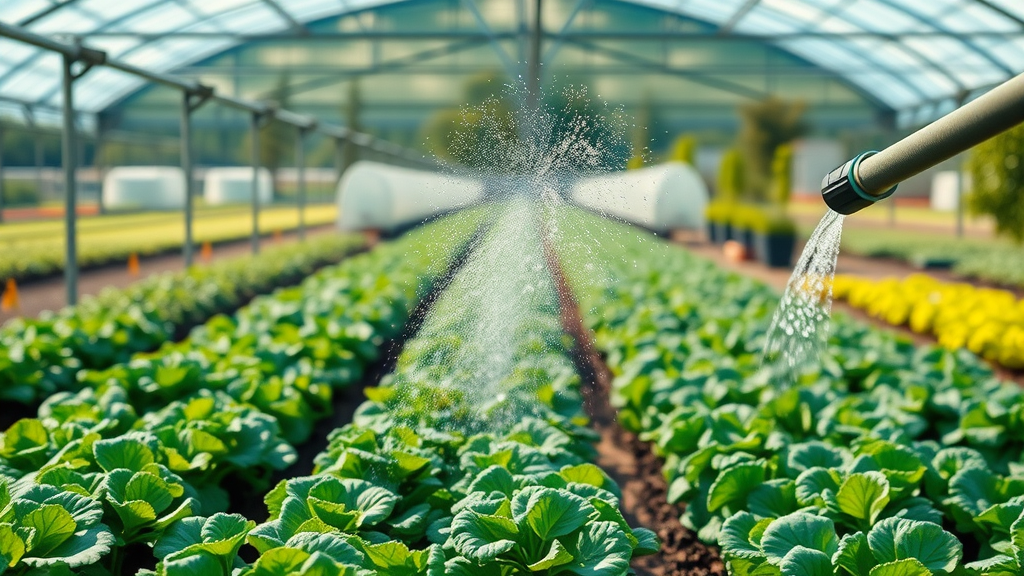
Water management is crucial in the cultivation of vegetables . Each method— drip irrigation , overhead sprinkler, or manual watering—offers distinct advantages for vegetable growers. Drip systems deliver moisture directly to the root zone, reducing waste and discouraging fungal diseases. Sprinklers provide broad coverage but may encourage leaf wetness and disease if not managed carefully. Manual watering offers control for small home gardens , perfect for delicate seedlings. Understanding how much and how often to water each vegetable crop prevents both drought stress and overwatering, giving robust plants and abundant yields every season.
|
|
|
Average Water Needs for Popular Vegetable Crops (per week) |
|
Vegetable |
Water Requirement |
Best Irrigation Method |
|---|---|---|
|
Tomato |
2.5 - 4 cm |
Drip, Mulch |
|
Lettuce |
2 - 3 cm |
Sprinkler/Drip |
|
Squash |
2 - 3 cm |
Drip, Deep Soak |
|
Beans |
2 - 2.5 cm |
Sprinkler/Drip |
Sustainable Approaches in Modern Vegetable Farming
Greenhouse Vegetable Production and Its Advantages
-
How greenhouse vegetable farming extends growing seasons
-
Reducing pests and diseases with controlled environments
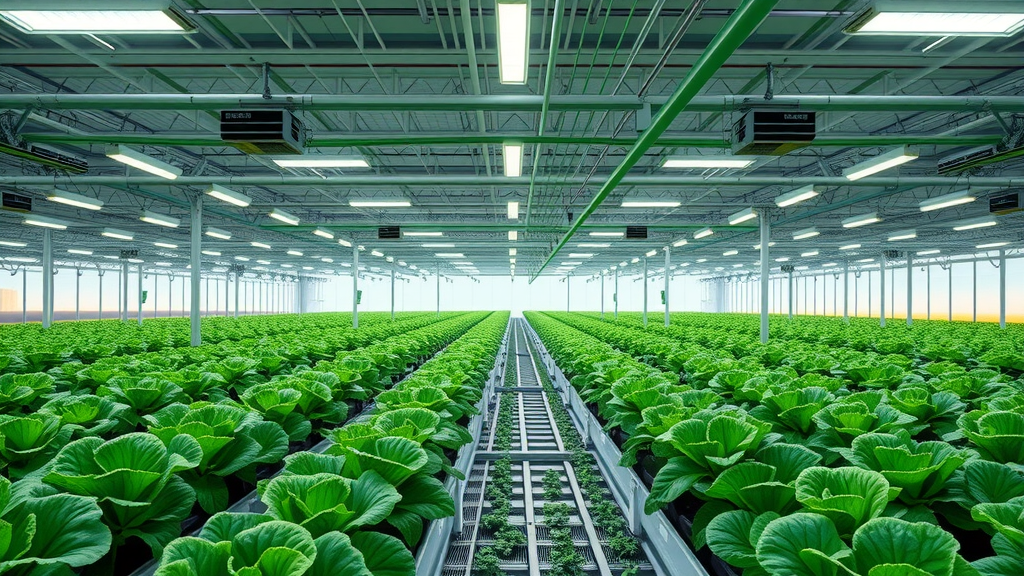
The rise of greenhouse vegetable farming has revolutionized the production systems for both small and large operations. Greenhouses enable year-round vegetable production , shield crops from unpredictable weather, and use climate controls to minimize the risk of frost, heat stress, and many pests and diseases. Automated systems can precisely manage temperature, light, and humidity, while integrated pest management techniques, like the use of beneficial insects, keep plant health high without pesticides. Whether for commercial vegetable production or intensive home gardening , greenhouses offer dramatic yield increases, consistent quality, and steady supply regardless of outdoor conditions.
Dealing with Pests and Diseases in the Cultivation of Vegetables
Integrated Pest Management for Vegetable Production
-
Organic vs. chemical pest control in vegetable gardening
-
Tips for disease prevention in leafy vegetable crops

Achieving high yields with minimal loss demands a balanced approach to pests and disease . Integrated Pest Management (IPM) weaves together cultural, biological, and, when necessary, chemical solutions. Start with resistant crop varieties and use crop rotation to disrupt pest life cycles. Encourage beneficial insects and use natural deterrents for pest hotspots. Only as a last resort should you turn to chemical controls, favoring organic-approved products for their safety and endurance. Disease prevention starts with spacing plants to improve airflow, watering at the base to avoid wet leaves, and removing debris from the garden, all critical for leafy vegetable crops like spinach and lettuce.
Organic vs. Conventional Methods in Vegetable Gardening
-
Pros and cons of organic and synthetic inputs for vegetable farms (Table)
"Choosing the right production system affects yields, quality, and sustainability."
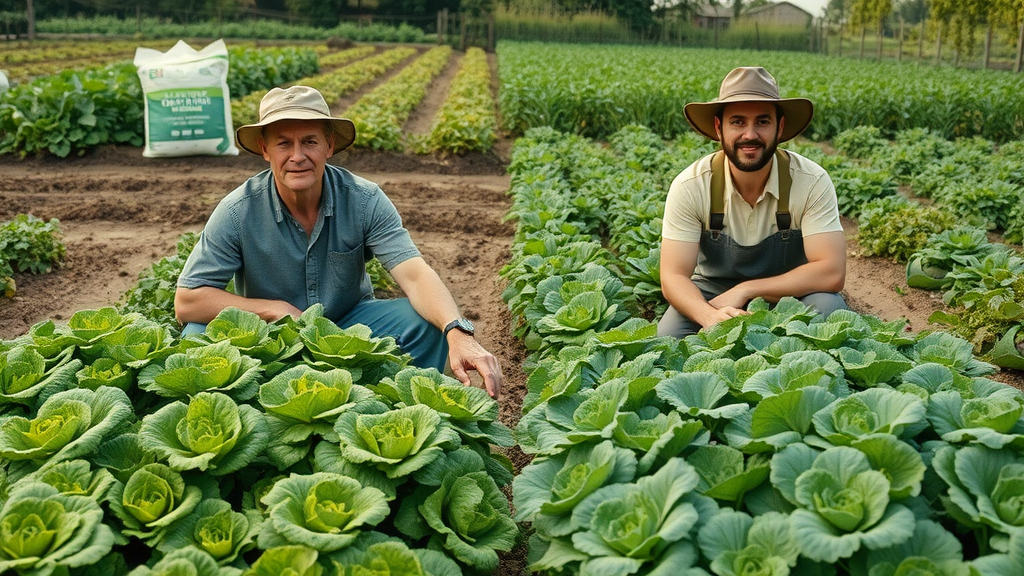
One of the major decisions vegetable growers face is choosing between organic and conventional methods. Organic vegetable gardening emphasizes natural amendments, biological pest control, and soil health , resulting in produce some consider more flavorful and nutritious. Conventional methods rely on synthetic fertilizers and pesticides, which can boost yields quickly and lower short-term risk but may affect soil quality and long-term sustainability. Weighing these approaches means considering the needs of your plants, your philosophy, and your local regulations for commercial vegetable production.
|
|
|
Organic vs. Conventional Vegetable Gardening Methods |
|
Practice |
Organic |
Conventional |
|---|---|---|
|
Fertilizers |
Compost, Manure, Green Manures |
Synthetic NPK Blends |
|
Pest Control |
Biological, Neem Oil, Soap Sprays |
Chemical Insecticides/Fungicides |
|
Disease Management |
Crop Rotation, Disease-Resistant Crops |
Fungicides, Treated Seed |
|
Soil Health |
Maintained or Improved |
Variable (possible depletion) |
|
Cost |
Higher initial, lower long-term |
Lower initial, possible higher long-term |
Harvesting, Storing, and Selling Vegetables for Maximum Profit
When and How to Harvest Different Vegetable Crops
-
Harvest timing chart for common vegetables (Table)
Knowing the optimal harvest time for each vegetable is pivotal to maximizing flavor, nutritional value, and market profit. For example, lettuce and spinach are best picked early in the morning when leaves are crisp, while tomatoes and sweet corn reach prime ripeness when fully colored or "milk stage." Each vegetable crop has its own ripening signs—like size, firmness, or aroma—so keep precise garden records and consult harvest charts to avoid waste.
|
|
|
Harvest Timeframes for Popular Vegetable Crops |
|
Vegetable |
Days from Planting |
Harvest Indicator |
|---|---|---|
|
Lettuce |
30-45 |
Firm, full-sized heads |
|
Beans |
45-60 |
Pods firm, before seeds bulge |
|
Tomato |
60-85 |
Fully colored, slightly soft |
|
Sweet Corn |
70-99 |
Kernels milky, filled out |
Post-Harvest Handling and Storage Tips
-
Maintaining freshness from vegetable farm to table
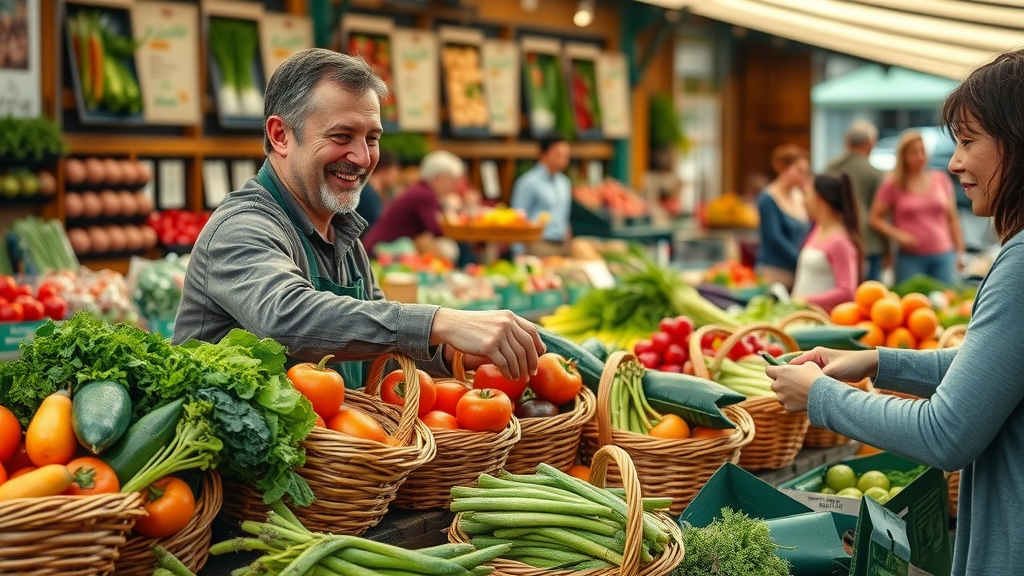
To preserve your crops’ peak quality, handle them gently—use clean, sharp tools for harvest and avoid bruising. Cool vegetables promptly; leafy greens benefit from a cold-water rinse, while root vegetables thrive in humid, dark storage. Packaging in breathable containers and regular inspection for spoilage maintains freshness on the market or at home. For commercial vegetable growers, investing in cold storage or insulated packaging extends shelf life, minimizes post-harvest losses, and delivers the freshest possible produce to consumers or markets.
Commercial Vegetable Production Systems: Scaling Up for Success
Commercial Vegetable Farm Operations
-
Case study: Streamlining production and marketing for profit
Scaling from a home garden to a profitable vegetable farm requires efficient production systems . Reading case studies and learning from established commercial growers reveals key strategies such as staggered planting, group harvesting, direct sales, and value-added processing (e.g., washing, packing, branding). Technologies like automated irrigation, climate sensors, and online marketplaces empower small and medium farms to compete. Careful financial planning, labor management, and supply chain logistics are just as vital as the soil and seeds in achieving lasting commercial success in vegetable farming.
Emerging Trends in Global Vegetable Farming
-
Precision agriculture and vertical farming in vegetable production
The future of vegetable production is data-driven and sustainable. Trends such as vertical farming—growing crops in stacked layers indoors under LED lights—and precision agriculture, where sensors monitor every aspect of the growing of vegetables , are revolutionizing yields and minimizing environmental impact. Commercial vegetable growers benefit from using drones for crop monitoring, AI-driven water management, and digital marketplaces to connect directly with consumers. Whether you are starting out or expanding, integrating these cutting-edge practices will set you apart in the evolving landscape of vegetable farming worldwide.
Answering Top Questions About the Cultivation of Vegetables
What is the cultivation of vegetables?
-
The process of preparing, planting, growing, and harvesting vegetable crops for personal, community, or commercial use. This includes soil management, crop rotation, pest control, and post-harvest practices.
What does it mean to cultivate vegetables?
-
To engage in all activities necessary to produce vegetable yields—preparing land, planting seeds or transplants, nourishing and protecting plants, and harvesting mature produce.
What is a vegetable farm called?
-
A farm dedicated primarily to growing vegetables is often called a market garden or a truck farm if commercial, and a kitchen garden or home garden for household use.
What is the term for vegetable farming?
-
Vegetable farming is also known as olericulture, a branch of horticulture dealing specifically with the cultivation of edible vegetable plants.
Expert Answers to Frequently Asked Questions in Vegetable Gardening
-
How do I start a home garden for vegetables? Begin by observing your available space and sunlight patterns. Choose easy-to-grow vegetables, prepare your soil with organic matter, and plan your layout to allow for crop rotation and good airflow. Start small and expand as your experience grows.
-
What are the best vegetables to grow for beginners? Lettuce, radishes, beans, carrots, and zucchini are excellent choices. These crops mature fast, offer high yields, and require minimal fuss from new vegetable growers.
-
How do I improve soil fertility for vegetable crops? Regularly add compost and organic matter, rotate crops each season, and use cover crops or green manures. Soil testing guides you in balancing mineral nutrients for optimal vegetable production.
-
How does companion planting benefit my vegetable garden? Companion planting deters pests, attracts beneficial insects, maximizes garden space, and often improves the flavor and vitality of your vegetables through beneficial plant interactions.
-
What are common mistakes in vegetable production and how can I avoid them? Overcrowding, poor watering habits, failing to rotate crops, neglecting pest or disease prevention, and using the wrong soil type are frequent missteps. Careful planning and responsive management help ensure healthy, productive vegetable crops.
Takeaways for Anyone Passionate About the Cultivation of Vegetables
-
Careful garden planning and crop selection lead to better harvests
-
Soil health and sustainable practices are key for ongoing yields
-
Continuous learning and adapting to trends will maximize your success
Start Your Own Journey: Step Into the World of Vegetable Farming and Gardening
-
Use this guide as your foundational resource for successful vegetable production
-
Join gardening communities for ongoing support
-
Experiment, enjoy, and harvest the rewards of the cultivation of vegetables
Actionable Next Steps: Choose your favorite vegetables, make a garden plan, prepare your soil, and embark on your vegetable farming adventure today!
Vegetable Garden Boxes Related Articles
- Avoid Plant Fungus During Summer – Stop Spread Fast!
- Avoid These Mistakes When Picking the Right Gardening Tools
- Choosing The Best Location For Your Garden
- Garden Pests? Here's the Fast Fix
- Herb Gardening Secrets for Fresh Flavors All Year!
- Master the Requisites of the Home Vegetable Garden Now!
- Master Vegetable Gardening: Grow Fresh Veggies Now!
- Raised Vegetable Boxes for Seniors: Easy Garden Solutions
- Starting Plants From Seeds?
- Struggling with Vegetable Garden Boxes? Easy fixes here!
- The Cultivation of Vegetables: Secrets to a Bountiful Harvest