



Did you know that garden pests destroy up to 30% of global food crops each year? This startling fact highlights the hidden threat lurking in every vegetable garden—from backyard plots to commercial farms. If you’ve ever found holes in your lettuce, wilted tomatoes, or odd black spots on your bean leaves, you’re not alone! This article will arm you with fast, practical fixes for every garden pest problem—so you can save your vegetable garden , preserve your hard-earned harvests, and garden with more confidence than ever before.
What You'll Learn: You’ll uncover how to identify the worst offenders, use quick organic fixes, and set up your garden for pest-free success. Don’t let garden pests steal your fresh food—discover every trick in the book to outsmart them and have your best harvest yet!
Why Garden Pests Are the Hidden Threat Lurking in Every Vegetable Garden
Every gardener eventually faces the daunting reality: garden pests are the invisible saboteurs of the vegetable patch. Whether you tend a few tomato plants on your deck or manage rows of beans and squash, pests can show up in any climate and devastate crops overnight. From subtle leaf curling to outright plant destruction, the consequences go unnoticed until it’s too late. This problem isn't just about a few chewed leaves—it can mean a 30% loss or more worldwide, impacting food security and household budgets.
But there's good news. Understanding the threat allows you to act proactively, using a mix of easy, effective defenses. Every plant pest—from the smallest flea beetle to the larger stink bug—can be managed with fast, safe techniques. By regularly monitoring your vegetable garden and recognizing early signs like wilted vines or black spots, you can protect your yields before the damage becomes irreversible.

How to Identify Common Garden Pests in Your Vegetable Garden
Identifying the culprits is the first step to regaining control of your vegetable garden . Each type of garden pest leaves its own signature behind. Chewed, yellowing, or wilted leaves are warning signs that invite closer inspection. Most destructive insects—like the dreaded squash bug or the stealthy stink bug—operate in plain sight, but their patterns differ. Learning these visual cues not only uncovers what’s harming your crops but also empowers you to use the correct intervention for each plant pest .
For instance, leaf chewers such as the tomato hornworm, cabbage worm, and potato beetle leave large irregular holes or complete defoliation. Sap suckers like aphids, stink bugs, and squash bugs create stippled, yellowing, or wilted patches due to sucking plant juices. Root feeders, including flea beetle larvae and nematodes, stunt plant growth and may cause plants to collapse. Meanwhile, airborne invaders like the japanese beetle and cucumber beetles can appear suddenly in mass and skeletonize foliage in days.
Visual Guide to Recognizing Plant Pest Damage on Your Vegetable Garden Plants
-
Leaf chewers: tomato hornworm, cabbage worm, potato beetle
-
Sap suckers: aphids, stink bugs, squash bugs
-
Root feeders: flea beetle larvae, nematodes
-
Airborne invaders: japanese beetle, cucumber beetles
When you observe your vegetable garden, check both tops and leaf undersides for evidence. Leaf chewers often leave behind ragged holes in leaves or fine black droppings. Sap suckers like stink bugs or squash bugs tend to hide on the stems or in the folds of new growth. Root feeders are trickier, usually showing their damage as weak, yellowing plants. The invasive japanese beetle and cucumber beetle may also show up as adults on blooms or leaves, contributing to 'lace-like' damaged leaves. By learning these differences, you’ll spot pest problems before your entire crop is at risk.
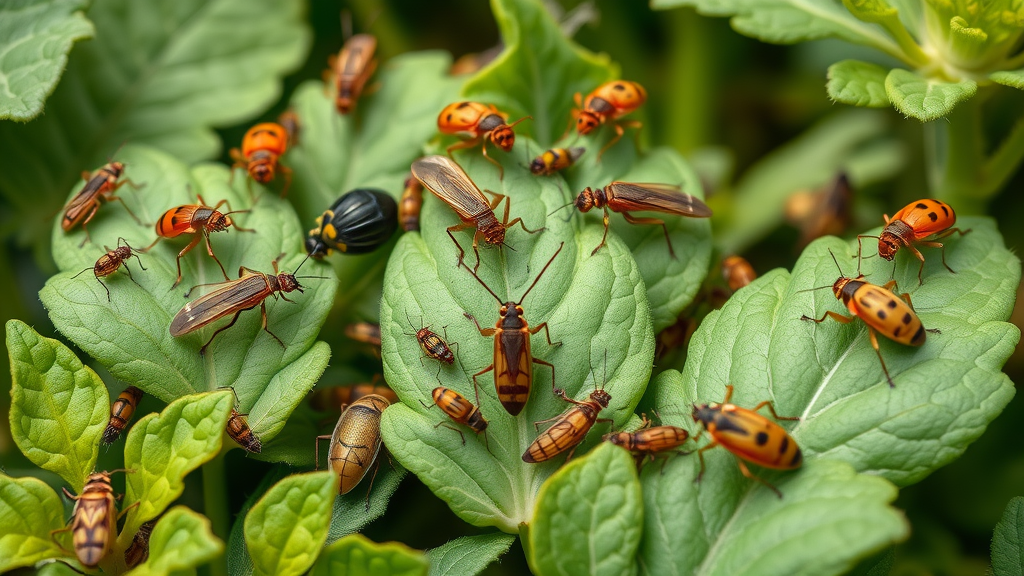
Understanding the Threat: Most Destructive Garden Pests and Plant Pest Behavior
To manage garden pests effectively, it’s crucial to know which insect pests cause the most destruction and exactly how they target your crops. The following table outlines some of the worst offenders in home gardens and the telltale signs each leaves behind. Knowing which pest you’re dealing with—be it the fierce stink bug, the tricky squash bug, the voracious potato beetle, or the elusive flea beetle—enables you to match your strategy to the threat level.
Each plant pest attacks certain vegetables and can wipe out crops if left unchecked. For instance, a stink bug infestation often leads to odd-shaped or pitted fruit in tomato and bean plants. Squash bugs prefer laying eggs on the undersides of squash and pumpkin leaves, leaving yellowing or wilting foliage. Potato beetle larvae can turn once-lush potato and eggplant rows into skeletons almost overnight, while flea beetles create countless 'shot holes' in radishes and brassicas that stunt plant growth and affect edible quality. Recognizing both the pest and its pattern accelerates your response and minimizes irreversible damage.
|
Common Garden Pest |
Vegetables Affected |
Key Signs & Symptoms |
|---|---|---|
|
Stink bug |
Tomatoes, beans, peppers |
Pitted fruit surfaces, deformed pods |
|
Squash bug |
Squash, zucchini, pumpkins |
Yellowing leaves, wilting vines |
|
Potato beetle |
Potatoes, eggplants, tomatoes |
Defoliation, visible larvae |
|
Flea beetle |
Brassicas, eggplants, radish |
Tiny 'shot hole' damage in leaves |
|
Mexican bean beetle |
Beans |
Skeletonized leaves, yellow/orange larvae |
When you spot any of these key signs, act quickly! Early intervention could mean the difference between a thriving vegetable garden and one overrun by pests. Never underestimate the rapid reproduction cycle of a single insect pest—left unchecked, their numbers can skyrocket, especially after warm rains or in periods of rapid plant growth.
Fast, Safe Solutions: Quick Fixes to Remove Garden Pests from Your Vegetable Garden
Effective pest control doesn’t mean reaching first for harsh chemicals. Many garden pests can be managed quickly with safe, proven methods that protect your plants, your soil, and the helpful insects that call your vegetable garden home. Each method below targets pests differently, so you can tailor your approach to the specific plant pest at hand—whether it’s the massive tomato hornworm or a tiny, persistent flea beetle.
From targeted handpicking and strategic spraying to simple but powerful physical barriers, gardeners have a toolkit ready at their fingertips. By cycling through a combination of methods, you keep insect pests guessing and maximize your control—all while embracing eco-friendly practices essential for a healthy, resilient garden ecosystem.
Handpicking Techniques for Large Insect Pests like Tomato Hornworm and Japanese Beetle
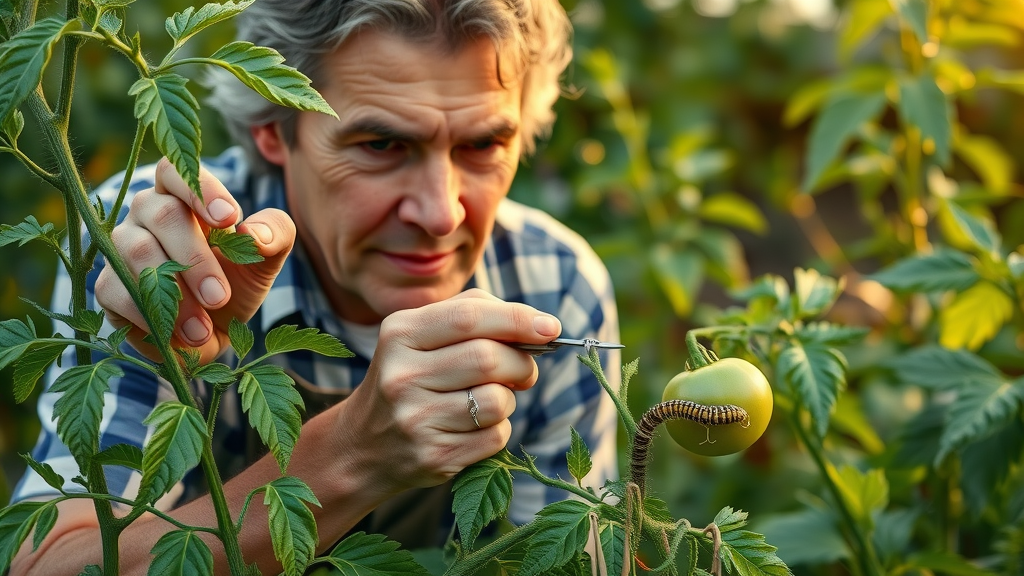
For large pests such as tomato hornworms and japanese beetles , handpicking is an immediate and effective solution. Walk through your garden early in the morning or late in the evening, when these pests are less active but visible on your plants. Use garden gloves to carefully pick off hornworms from tomato leaves or japanese beetles from corn and bean foliage. Drop them into a bucket of soapy water for swift disposal.
This hands-on approach is especially potent for controlling insect pests before they lay eggs and multiply. Pay special attention to leaf undersides, where tomato hornworms and other garden pest larvae hide. Weekly inspections, combined with prompt removal, keep populations in check and prevent serious outbreaks before they spiral out of control.
Homemade Organic Sprays: Soap Solutions and Neem Oil for Stink Bugs and Squash Bugs
Organic solutions like insecticidal soap and neem oil offer powerful, garden-safe methods for controlling stink bugs and squash bugs . To make a simple soap spray, mix a tablespoon of mild liquid soap with a quart of water; this breaks down protective coatings on the pests and suffocates them without harming your plants. Neem oil works as both a repellent and a disruptor of insect pest life cycles. Spray neem oil early in the day, coating both leaf surfaces and undersides for maximum effect. Always test any spray on a small patch of plants before applying widely—with natural options, you avoid harming pollinators and beneficial insects.
These sprays are especially useful when you notice clusters of squash bugs or stink bugs feeding on stems, leaves, or fruit. Persistent applications over several days catch emerging generations, reducing the need for harsh chemicals. For best results, target insect pests during their most vulnerable nymph or larval stages, and avoid spraying on hot, sunny afternoons to prevent plant stress.
Row Covers and Barriers for Flea Beetle and Cabbage Worm Protection
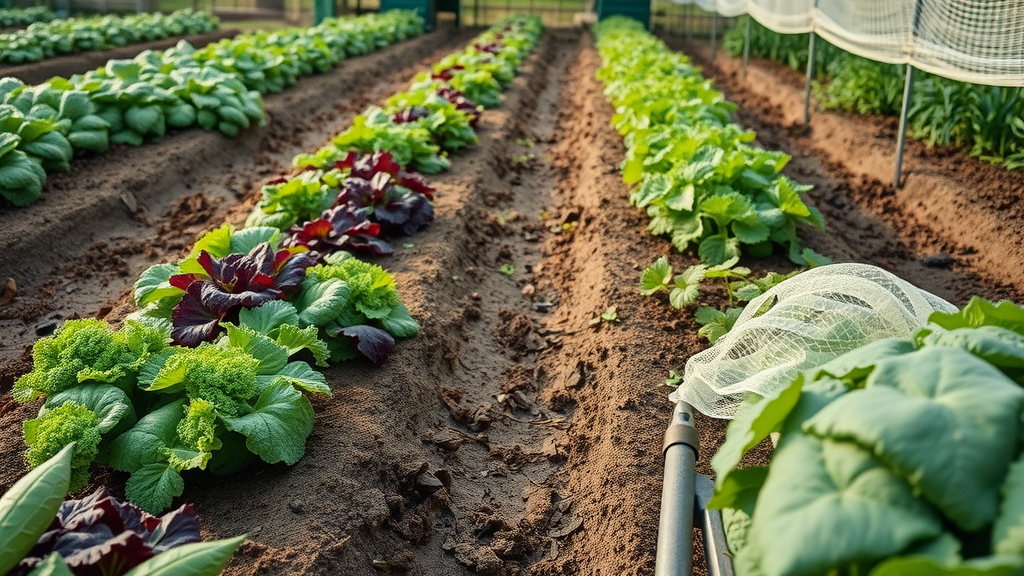
Physical barriers like row covers provide an excellent shield for young crops susceptible to flea beetles and cabbage worms . Using lightweight horticultural fabric, cover the entire row immediately after planting. This blocks adult insect pests from landing and laying eggs on your vulnerable seedlings. Secure the edges tightly to keep persistent invaders out and allow sunlight, water, and air to continue nourishing your vegetable garden.
Combining covers with regular checks for developing larvae under the cloth ensures a two-pronged defense. Remove row covers only after plants are large enough to withstand some feeding, or once the primary pest period has passed. This technique is especially effective for cool-season crops like radish, cabbage, and kale—which are prime targets for early spring infestations.
The Four Major Pests: Controlling the Biggest Culprits in Your Garden
-
Colorado potato beetles: rotation and mulching strategies
-
Squash bugs: trap cropping and how to destroy eggs
-
Japanese beetles: best traps and preventative plants
-
Cucumber beetle: resistant varieties and companion planting
Managing the “big four” of garden pests —colorado potato beetles, squash bugs, japanese beetles, and cucumber beetles—requires targeted tactics. For colorado potato beetles , rotating potatoes and related crops every season disrupts their life cycle, as does adding a layer of clean mulch after planting. Mulching not only keeps weeds down but also physically blocks emerging plant pests from surfacing and laying eggs near young foliage.
With squash bugs , trap cropping (planting sacrificial squash near garden perimeters) lures pests away from main crops. Carefully search for and crush their copper-colored eggs on leaf undersides every few days to halt future generations. Japanese beetles, easily recognized by metallic green bodies and destructive swarms, can be managed by installing traps at garden borders—or planting deterrent plants like garlic or chives nearby. For cucumber beetles , opt for resistant seed varieties and practice companion planting with nasturtiums or marigolds to create a hostile environment for these persistent pests.
Integrated Pest Management: Holistic Control for Persistent Garden Pests
Modern gardeners increasingly turn to Integrated Pest Management (IPM) to sustain productive vegetable gardens while reducing reliance on chemical sprays. IPM strikes a balance—rather than eliminating every insect, it encourages natural checks and leverages multiple control layers. By combining beneficial insects, smart cultural practices, and mechanical methods, you’ll maintain a healthy garden where pests rarely take over.
IPM starts with early detection: regular scouting, plant diversity, and record-keeping help identify issues before they escalate. The next step is intervene selectively, using handpicking, biological controls, or organic sprays only as needed. This approach keeps beneficial insects thriving and limits the chance of insect pest resistance building up over time.
How to Use Beneficial Insects Against Insect Pests in Your Vegetable Garden
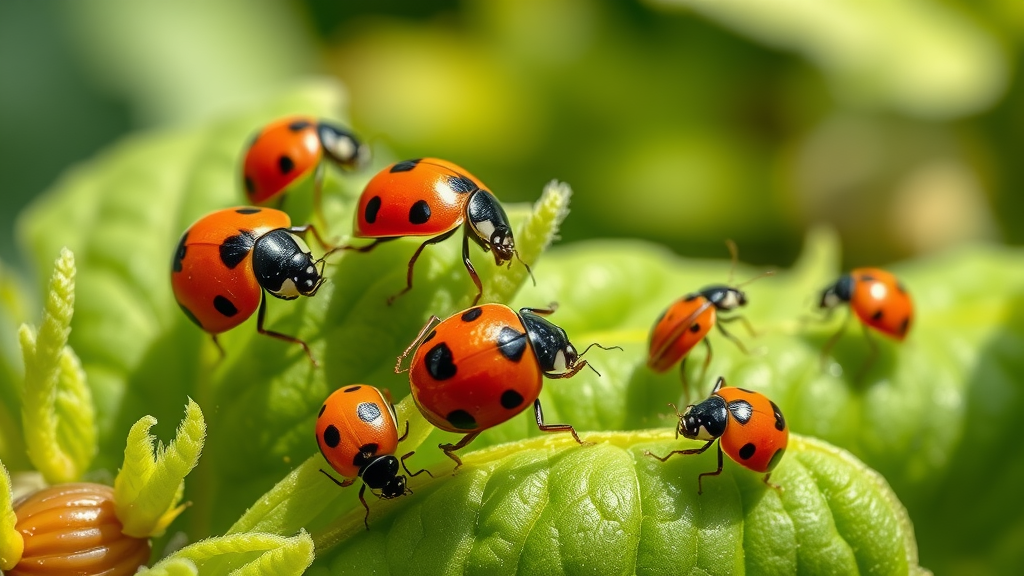
Invite beneficial insects —like ladybugs, lacewings, and parasitic wasps—into your garden to feast on aphids, flea beetles, and other insect pests. Ladybugs are voracious consumers of plant-sucking insects, especially aphids and soft-bodied nymphs. Lacewings target a wide range of small garden pests, including cabbage worm larvae and whiteflies. Parasitic wasps lay eggs inside or on pest insects, dramatically reducing pest numbers without harming plants or humans.
Release beneficials early in the season, and avoid broad-spectrum insecticides that kill allies as well as enemies. To keep them in your garden, plant flowering herbs and native plants for continuous habitat and nectar. By letting nature’s own pest control army do the heavy lifting, you’ll enjoy lower pest populations and less intervention all season.
Cultural Practices for Reducing Garden Pest Risk (Crop Rotation, Mulching, Timing)
Good gardening habits make your patch less attractive to insect pests in the first place. Rotate crops each year—don’t plant the same vegetable family in the same soil back to back—to break pest life cycles, especially for stubborn pests like colorado potato beetle and squash bug. Mulch with straw or leaves to keep weeds down, conserve soil moisture, and make it harder for insects to reach young plants. Adjust your timing: plant earlier or later than typical pest emergence periods to avoid peak attacks.
Remove plant debris at season’s end, where stink bugs, squash bugs, and others overwinter. Keep tools and garden surfaces clean to minimize places where pest eggs can hide. Whenever possible, introduce predatory insects and encourage a lively ecosystem that naturally pushes back against pest outbreaks.
"The key to a healthy vegetable garden isn't eliminating every insect, but maintaining a balance where pests don't get the upper hand." — Dr. Emma Green, Entomologist
People Also Ask
What is the most common pest in the garden?
Aphids are often the most common garden pest found in vegetable gardens worldwide. They reproduce quickly, suck plant sap, and can spread diseases, but they’re controllable with natural predators and safe sprays. Regular inspection and prompt action are essential for keeping their populations in check.
How do I identify my garden pest?
Start by inspecting the type and pattern of damage: chewed leaves suggest caterpillars or beetles (like the colorado potato beetle), while yellowing or wilted plants can indicate sap-sucking pests such as stink bugs. Check for black spots, holes in leaves, or clusters of insects on leaf undersides. Visual identification charts and a magnifying glass can help pinpoint the exact insect pest threatening your vegetable garden.
What can I spray on my vegetable garden to keep bugs away?
Organic options like insecticidal soap, neem oil, and garlic-chili sprays are effective against many garden pests. Always test on a small area first and spray during cool periods to avoid harming beneficial insects. Regular application and monitoring help maintain both plant health and a safe gardening environment for edible and ornamental plants.
What are the four major pests?
The four major garden pests commonly found in the vegetable garden are squash bugs, stink bugs, colorado potato beetle, and flea beetle. Each requires specific identification and targeted control methods such as rotation, traps, and physical barriers to keep them in check throughout the growing season.
Seasonal Calendar: When Garden Pests Strike Most Frequently in the Vegetable Garden
|
Pest |
Active Season |
Best Control Time |
|---|---|---|
|
Squash bug |
Late spring-summer |
Eggs in late spring, adults in summer |
|
Stink bug |
Spring-fall |
Early detection in spring |
|
Potato beetle |
Late spring-summer |
Larvae in late spring |
|
Cabbage worm |
Spring-fall |
Continuous monitoring |
|
Japanese beetle |
Mid-summer |
First adult emergence |
Awareness of pest seasons allows you to time your interventions effectively. Early monitoring, especially during known high-activity periods, ensures you stay a step ahead of any large-scale infestation. Set reminders for scouting and prepare for regular prevention as your vegetable garden enters each phase of the growing season.
Essential Tools Every Gardener Needs for Managing Garden Pests
-
Hand lens for pest identification
-
Row covers for physical exclusion
-
Neem oil and insecticidal soap
-
Colored sticky traps
-
Garden gloves and pails for handpicking
-
Reference book or smartphone app for pest guides
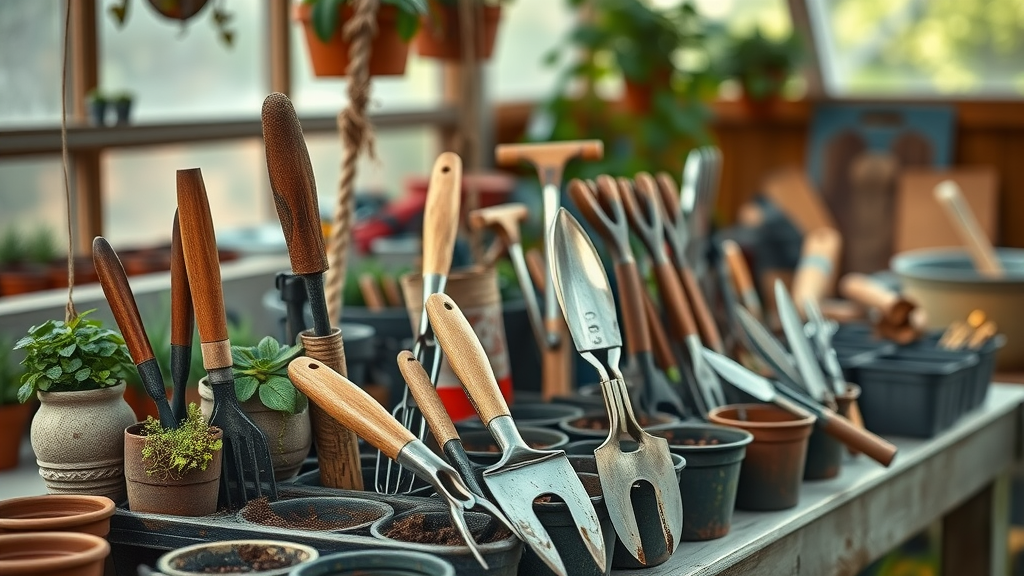
Building a “pest management toolkit” ensures you’re never caught off guard. A hand lens reveals hidden eggs or larvae. Row covers block incoming beetles and moths, while sticky traps help monitor emerging populations. Keep neem oil, insecticidal soap, and garden gloves close for swift, targeted action. Dedicated gardening apps and reference books provide visual aids and instant troubleshooting for less familiar plant pests—making it easy to react quickly as seasonal threats arise.
Eco-Friendly Solutions: Natural Allies Against Insect Pest Outbreaks
Eco-friendly pest solutions go beyond removing insect pests—they harness natural allies for effective, ongoing protection. Boosting the population of beneficial insects, providing habitat, and encouraging biodiversity make your vegetable garden more resilient and less pest-prone in every season. Support the ecosystem, and it will support your harvest in return!
Beneficial Insects for Garden Pests: Ladybugs, Lacewings, and Parasitic Wasps
Ladybugs, lacewings, and parasitic wasps are superstar defenders of your vegetable garden. Ladybugs feed on soft-bodied insects like aphids and mealybugs, while lacewing larvae devour caterpillar eggs, aphids, and even tiny slugs. Parasitic wasps control tough pests like the potato beetle and cabbage worm by laying their own eggs in the host. Releases of these beneficials or simply planting to attract them mean lower pest pressure and fewer interventions throughout the gardening season.
DIY Attractants: Flower Choices to Support Predator Insects in the Vegetable Garden
Support your garden's natural defenders with flowering herbs and annuals! Flowers like calendula, nasturtium, yarrow, and alyssum draw adult ladybugs, lacewings, and hoverflies into the patch. These predator insects need pollen and nectar for energy between pest meals. Planting herb borders or allowing some carrot, dill, or fennel to bloom around beds creates a supportive environment and enhances the beauty and pollination in your vegetable garden as well.
Frequently Asked Questions about Garden Pests and Plant Pest Control
-
Are store-bought insecticides safe for vegetable gardens? Many are labeled safe, but always check for edible plant approval and follow instructions. When in doubt, organic and targeted methods are safest, especially in food crops.
-
Can plant disease be spread by garden pests? Yes! Pests like aphids and cucumber beetles can spread viruses and bacteria between plants, so controlling them also guards against disease outbreaks.
-
What are easy daily habits to reduce pest pressure? Walk your garden regularly, remove debris, inspect for eggs or early damage, and introduce beneficial insects or plants that deter pests whenever possible.
Final Strategies for Protecting Every Vegetable Garden from Plant Pest Damage
-
Monitor your garden weekly and log new insect pests
-
Practice crop rotation and keep soil healthy
-
Use exclusion techniques, safe sprays, and employ beneficial insects
-
Share your successful pest management tips with other gardeners or join a local community group
Start monitoring your garden today, apply these fast fixes, and turn every pest problem into a gardening victory!
Vegetable Garden Boxes Related Articles
- Avoid Plant Fungus During Summer – Stop Spread Fast!
- Avoid These Mistakes When Picking the Right Gardening Tools
- Choosing The Best Location For Your Garden
- Garden Pests? Here's the Fast Fix
- Herb Gardening Secrets for Fresh Flavors All Year!
- Master the Requisites of the Home Vegetable Garden Now!
- Master Vegetable Gardening: Grow Fresh Veggies Now!
- Raised Vegetable Boxes for Seniors: Easy Garden Solutions
- Starting Plants From Seeds?
- Struggling with Vegetable Garden Boxes? Easy fixes here!
- The Cultivation of Vegetables: Secrets to a Bountiful Harvest