


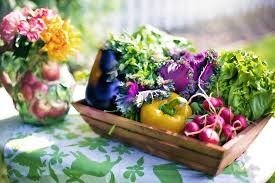
Did you know that over 35% of urban homeowners now maintain a home vegetable garden ? This remarkable trend shows that the desire for fresh, healthy produce is reshaping backyards and balconies around the world. Mastering the requisites of the home vegetable garden can turn even the smallest space into an abundant oasis. With this all-in-one guide, you'll gain the tools and knowledge to create your own thriving home garden—no matter your level of experience or the amount of space you have. Let’s dive into the essentials that make vegetable gardening both rewarding and accessible.
Unlocking Success: Surprising Trends and Facts About the Requisites of the Home Vegetable Garden
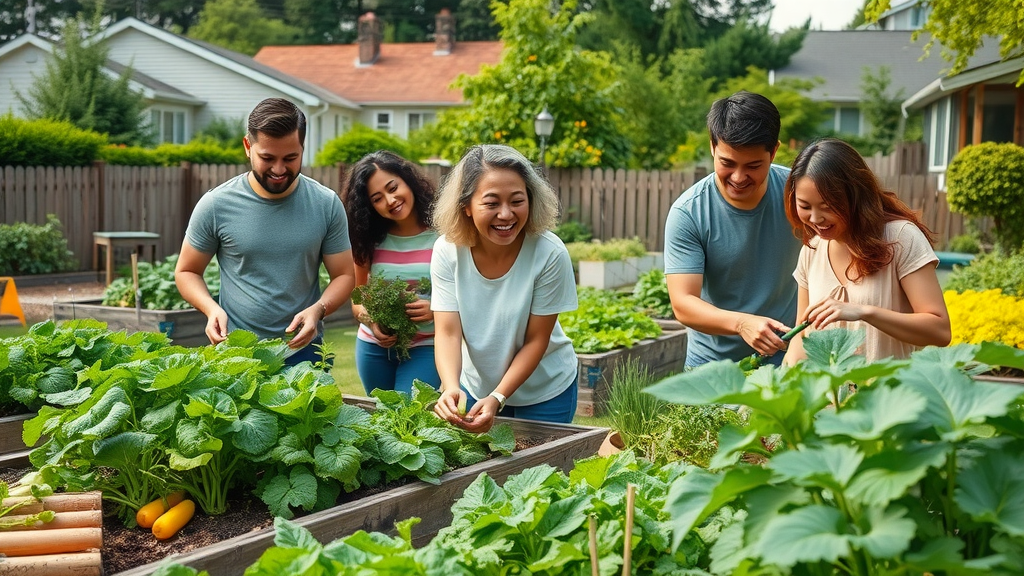
The modern home vegetable garden is much more than a trend—it's a movement toward sustainability, self-sufficiency, and health. New gardeners are turning rooftops, balconies, and suburban yards into productive vegetable patches. Even busy families are finding joy in raised beds, container gardens, and direct sowing, empowered by easy-to-find resources and community knowledge. The statistics reveal that not only are more people gardening, but their success rates are climbing thanks to better tools, improved soil solutions, and online gardening communities ready to answer questions at every stage.
In fact, surveys show that gardens planned and managed with attention to the requisites of the home vegetable garden —such as soil quality, sunlight, water management, and effective crop rotation—consistently yield higher productivity. Raising awareness about these key factors has noticeably shifted outcomes, with yields and satisfaction both on the rise. Whether you’re looking to supplement your family's meals or supply friends and neighbors with fresh produce, understanding and applying these requisites is your pathway to success.
Achieving the Dream: Why the Requisites of the Home Vegetable Garden Matter
-
The role of soil, sunlight, and water effectiveness: These three pillars form the backbone of successful home gardening. Good soil supports strong roots, sunlight powers plant growth, and consistent watering ensures lush crops.
-
The growing impact of sustainable home gardening: By cultivating your own food, you reduce your carbon footprint and gain control over what you eat. Sustainable practices, including composting and organic pest control, deliver healthier harvests well beyond those in a grocery store.
-
From novice to expert: Building the foundational requisites: Gardening skills grow over time—but a strong foundation in essential practices like soil testing, planning, and tool maintenance boosts your confidence and sets you up for lifelong success, no matter your starting point.
Every home garden starts with a few basic but vital ingredients. The quality of your soil, the sunlight your garden area receives, and access to a reliable water source together determine what—and how much—you can grow. By carefully planning these elements, vegetable gardening transforms from guesswork into a science. Doing a soil test prevent issues like poor plant growth or nutrient deficiencies, allowing you to grow vegetables with far less frustration.
Additionally, sustainable gardening methods are revolutionizing how we tend our home spaces. Composting, mulching, and using organic matter not only help reduce waste but also feed your soil and deter weed seeds. Innovators are now blending raised beds with traditional planting, using vertical supports to optimize tight spaces, and rotating crops for long-term soil health. These techniques don't demand expertise from day one—you’ll pick them up as you go, building a toolkit of skills perfect for any garden plan.
What You Will Gain From Understanding the Requisites of the Home Vegetable Garden
-
Deep knowledge on home vegetable garden essentials
-
Practical skills to start a vegetable garden confidently
-
Tools to troubleshoot common vegetable gardening issues
-
Strategies to design a successful garden plan
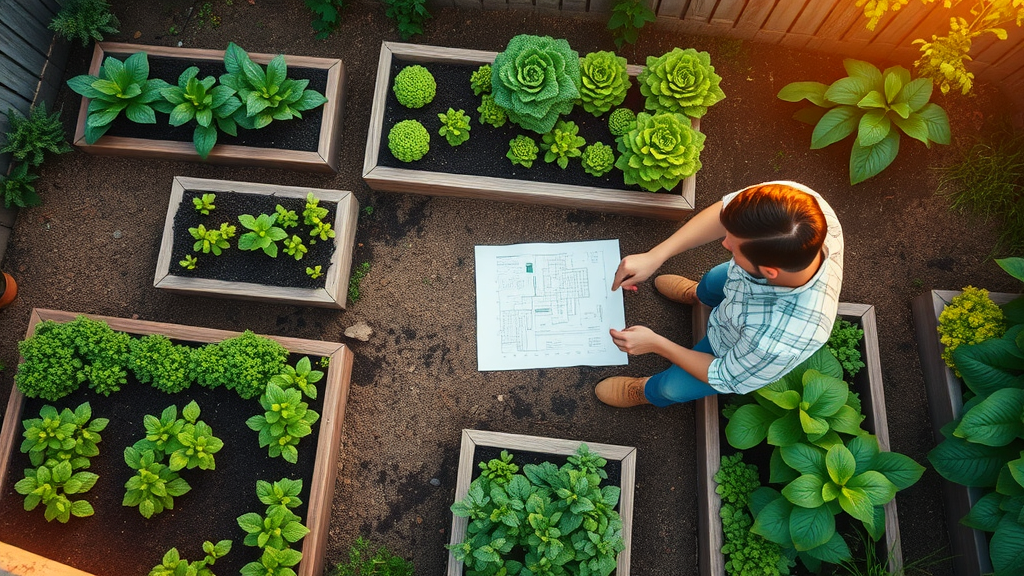
Mastering the requisites of the home vegetable garden means gaining more than just fresh vegetables—it's about becoming self-reliant, sustainable, and resourceful in your gardening journey. Whether you’re aiming to increase your home’s food security or discover a new family hobby, the skills you’ll develop here can serve you for a lifetime.
You'll learn to assess your growing conditions, read and follow seed packets for ideal plant grow schedules, create an effective garden plan , and select raised beds or containers for your specific situation. These approaches empower you to troubleshoot, adapt, and succeed, whether you’re dealing with the unpredictability of weather or persistent pests. Ultimately, you’ll walk away with a concrete, actionable plan—and the confidence to nurture vegetables from seed to harvest.
Demystifying the Basics: What Are the Requisites of the Home Vegetable Garden?
-
Site selection and sunlight requirements for the home garden
-
Understanding your soil and preparing raised beds
-
Choosing vegetables and the importance of a garden plan
-
Key watering methods for optimal plant growth
Getting started with a successful garden begins with these basic building blocks. Your choice of garden site affects sunlight exposure and drainage. A high-quality garden bed —whether raised or in-ground—sets the stage for robust plant development. Next, choosing the right vegetables for your growing season and mapping out garden bed usage ensures you get the most out of your space. Lastly, establishing a practical watering strategy—be it drip irrigation or hand watering—helps your plants thrive while using water wisely.
When each element is considered as part of an integrated garden plan , it creates the ideal environment for vegetable gardening. And by actively monitoring light, moisture, and growth, you’re able to troubleshoot problems before they impact your harvest. Let’s take a closer look at each requisite to ensure you launch the best possible home garden.
Site Selection for Your Home Vegetable Garden
-
Evaluating sunlight needs for vegetable gardening
-
Soil testing for nutrient assessment

Site selection is the cornerstone of every fruitful home garden. Vegetables like tomatoes, peppers, and carrots thrive in full sun —meaning at least 6-8 hours of direct sunlight per day. However, leafy greens and root crops can get by with partial sun, making them ideal for shadier spots within your garden area. Take the time to monitor sunlight throughout the day or use a simple sunlight meter to determine the best placement for each crop.
Before you plant, it’s wise to perform a soil test on your chosen garden site. This will reveal nutrient content, pH, and drainage qualities, helping you decide which vegetables are best suited for your location—or what amendments your soil might need. By addressing these factors up front, you’ll avoid the most common pitfalls that sabotage even the most enthusiastic gardener’s dreams.
Additionally, consider easy access for frequent watering, harvesting, and pest checks. Flat, well-drained spots close to a water source and free from large tree roots make daily maintenance and monitoring much more convenient. Remember, your garden’s environment will directly determine your plant grow success, so invest time in site selection for a truly bountiful result.
The Importance of Soil and Raised Beds in Vegetable Gardening
-
Raised beds vs. in-ground planting: Pros and cons
-
Transforming poor soil with the right amendments
-
Soil fertility and structure in home gardening
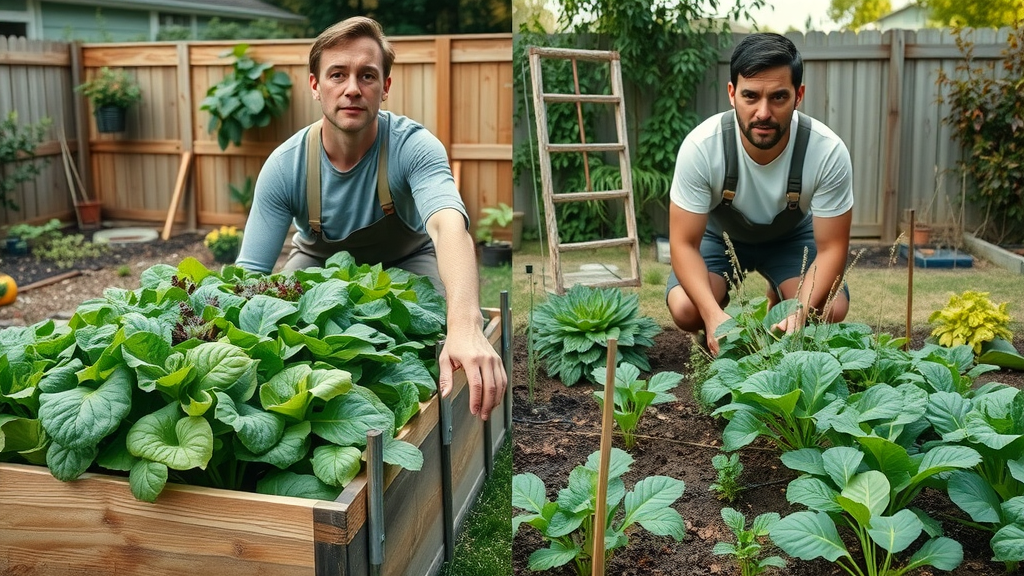
Soil is the unsung hero of any vegetable garden . Choosing between raised beds and in-ground planting is often a matter of practicality: raised beds offer better drainage, more control over soil content, and easy access for planting and harvest. They also allow gardeners to sidestep underlying problems such as poor native soil or persistent weed seeds.
If your soil test shows deficiencies, don’t worry. You can transform even the poorest soil by working in organic matter like compost, well-rotted manure, or peat moss. Raised beds make it easy to control soil depth and texture, but in-ground beds can produce equally impressive results with regular amendments and care. Both methods benefit from routine mulching, which conserves moisture and reduces competition from weeds.
The key is to provide a loose, well-aerated, and nutrient-rich environment where plant roots can expand easily. Good soil structure supports strong, fully mature crops, minimizes water waste, and helps prevent pests and disease. Whether you choose raised beds, containers, or in-ground plots, focus on building up your soil year after year for long-term home gardening success.
Crafting Your Garden Plan: Requisites for Success
-
Mapping crop locations in your home garden
-
Rotating crops to maintain healthy soil
-
Designing seasonal planting layouts and plans
A well-thought-out garden plan is a powerful tool for new and seasoned gardeners alike. Start by mapping out your available space, taking site conditions and sunlight into account. Allocate room for each vegetable based on its mature size and sunlight needs, and remember to leave pathways for easy access and maintenance.
Practicing crop rotation —switching the location of plant families each year—helps prevent soil-borne diseases and reduces pest buildup. For example, avoid planting tomatoes or potatoes in the same spot each season. Integrate your local frost dates and the growing season into your plan to avoid crop failures and time plantings for continual harvest.
Designing a seasonal plan also ensures you’re making the most of your growing area. Use succession planting to keep beds productive and stagger maturity dates for a steady supply. Including perennial herbs or edible flowers can further maximize space and encourage beneficial insects, fortifying your home garden’s ecosystem.
Vegetable Choices: Start a Vegetable Garden With Confidence
-
Most reliable vegetables for home gardening beginners
-
Matching plant grow times with your region’s climate
-
Understanding companion planting in vegetable gardening
If you’re ready to start a vegetable garden , select crops that are easy to grow and well-suited to your climate. Beginners should consider reliable staples like lettuce, radishes, bush beans, and tomatoes—which mature quickly, tolerate varying conditions, and offer quick wins. Check the seed packet for planting and harvest dates, and match those to your regional frost dates for the most dependable results.
Take advantage of companion planting principles to optimize your garden. Some vegetables, such as basil and tomatoes or carrots and onions, enhance each other's growth or deter pests. Conversely, avoid combinations known to compete or attract the same pests (more on that in our FAQ section). With a bit of forethought, your home gardening journey can start small—and yet yield delicious results all season long.
Watering: Essential Requisite for the Home Vegetable Garden
-
Water needs of different home garden vegetables
-
Drip irrigation vs. hand watering: Smart water use
-
Mulching raised beds for moisture retention
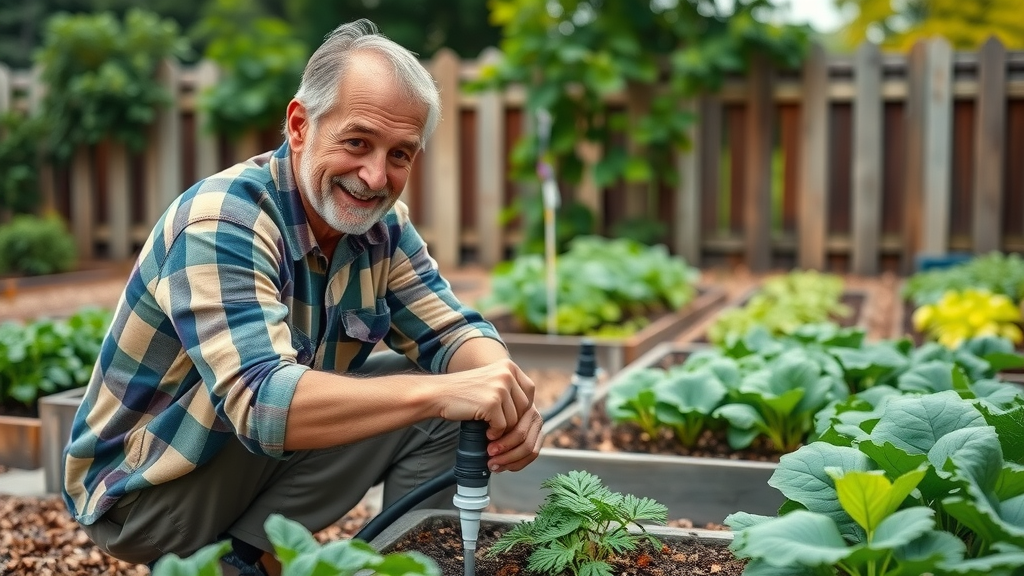
Consistent and efficient watering is fundamental to plant health. Different crops have varying water demands: leafy greens need more frequent moisture, while deep-rooted crops like carrots require less but deeper watering. Aim to keep soil consistently damp but never waterlogged, which encourages strong root development and discourages fungal disease.
A drip irrigation system is a smart investment for any home gardener, providing water directly to plant roots and minimizing evaporation. If your garden plan is small or budget is tight, hand watering works—just ensure you’re thorough, especially during dry spells. Mulching your raised beds with straw, leaves, or compost helps retain soil moisture and reduce the frequency of watering.
Establish a routine based on the weather, your vegetable choices, and soil type. Well-drained garden beds may need to be watered 2-3 times a week, while heavy clay can require less frequent attention. Monitor plant health closely and adjust as needed—healthy, hydrated vegetables are better equipped to fend off pests and disease.
Raised Bed and Container Garden Solutions for Any Space
-
Building and maintaining raised beds
-
Starting a container garden: Tips for small spaces
-
Best vegetables for container gardening
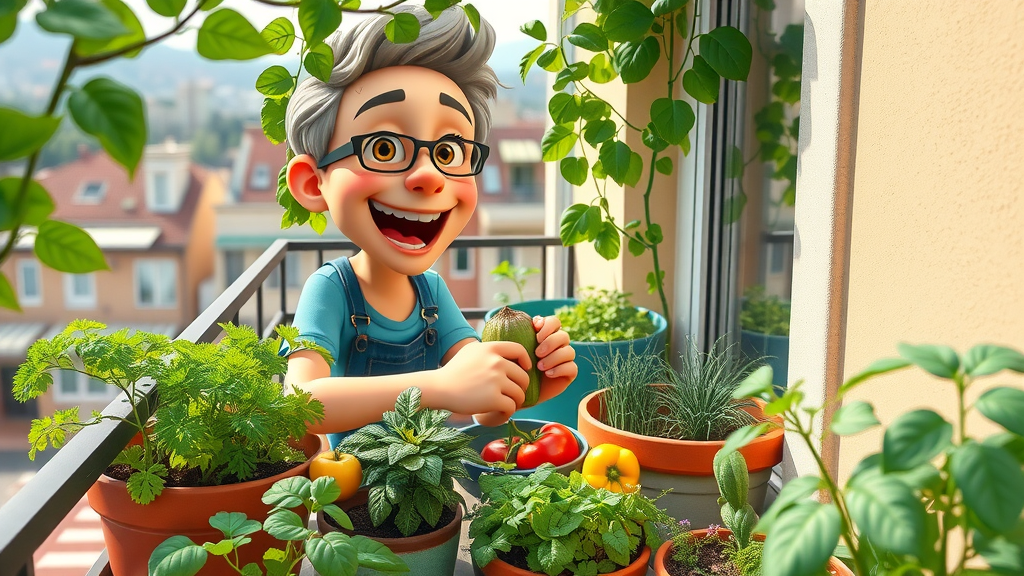
The flexibility of raised beds and container gardens makes them perfect for urban, suburban, and even rural settings. Building a raised bed involves constructing sides with wood, stone, or recycled materials and filling with superior soil. Raised beds warm up faster in spring and allow you to bypass poor native soil, making them popular with time-pressed gardeners.
For tiny spaces, try a container garden . Use pots, grow bags, or even upcycled buckets to grow vegetables on patios, decks, or balconies. The key is to ensure good drainage and choose compact-producing vegetables like lettuce, peppers, or bush beans. Rotate and group containers to maximize sunlight and aesthetics while providing easy access for daily care.
Some vegetables thrive particularly well in containers—think tomatoes, peppers, radishes, and salad greens. Be sure to select varieties suited for small spaces (often labeled “container” or “patio” on the seed packet) to guarantee a generous and appealing harvest.
Plant Grow Timelines: When to Sow and Harvest in the Home Garden
-
Fast-growing vs. slow-growing vegetables
-
Seed starting vs. transplanting
-
How raised beds affect plant maturity
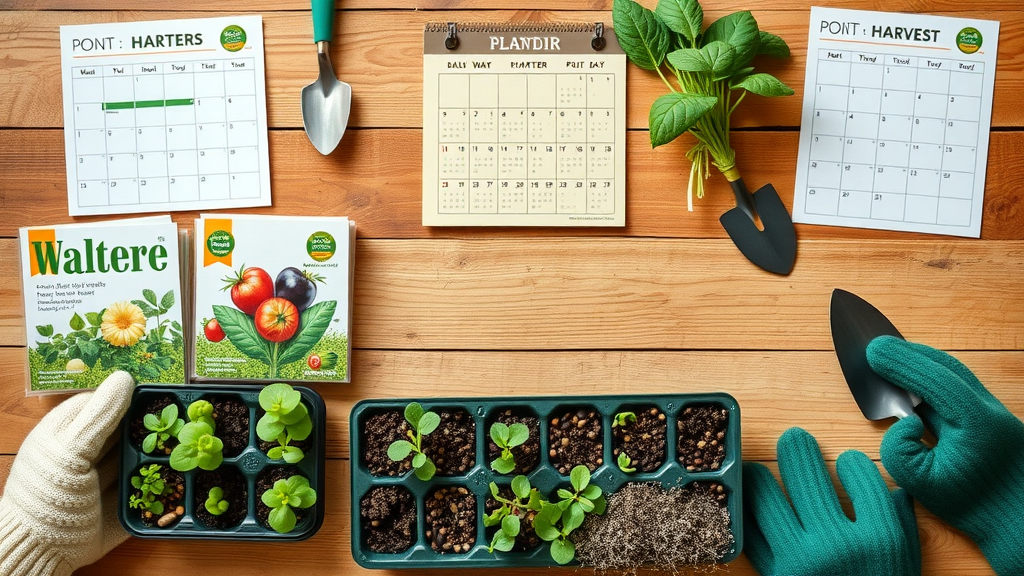
Understanding plant grow timelines is crucial for timely harvests and sequential plantings. Some crops, like radishes and lettuce, are fast-growing and can be sown directly in the garden bed every few weeks. Meanwhile, vegetables such as tomatoes and peppers are slower to mature and typically benefit from starting indoors or buying transplants from a garden center.
Raised beds can actually accelerate plant maturity by warming soil earlier in spring and maintaining consistent moisture. This is particularly advantageous in regions with short growing seasons, allowing gardeners to start a vegetable garden earlier and extend the harvest well into fall.
Always refer to the seed packet for recommended sowing and harvest dates, as well as specific instructions on whether to start seeds indoors or sow directly outside. Align these dates with your local climate, and stagger plantings for ongoing productivity at every stage of your home gardening journey.
Essential Tools To Start A Vegetable Garden Efficiently
-
Must-have equipment for home vegetable gardens
-
Choosing tools for different garden plans and raised beds
-
Maintenance tips for longevity
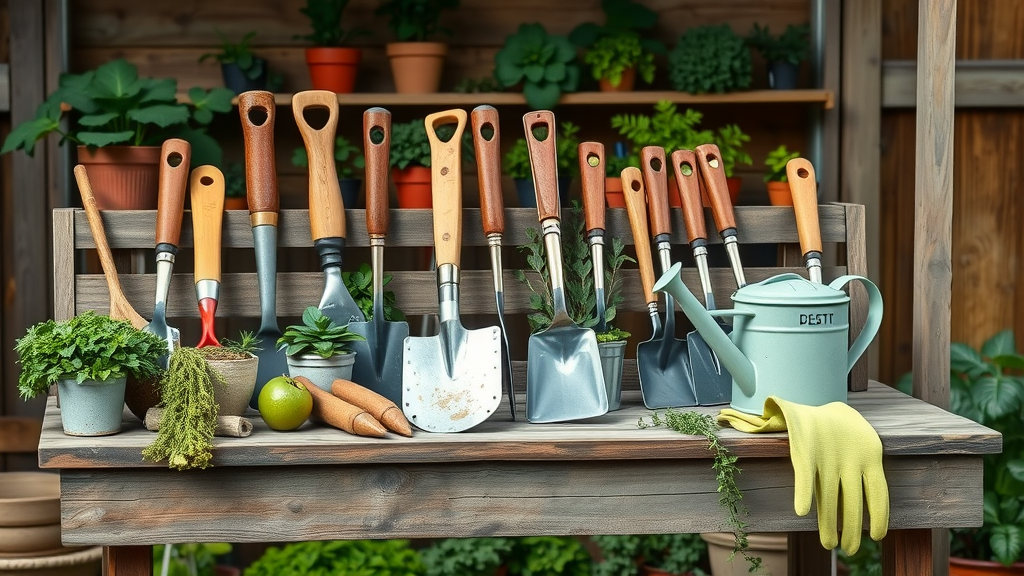
The right tools streamline every aspect of vegetable gardening, making chores quicker, safer, and more enjoyable. At a minimum, you’ll need a sturdy trowel, sharp spade, watering can, hand fork, gloves, and pruning shears. For larger or raised bed gardens, add a hoe, wheelbarrow, and soil rake to speed up soil preparation and maintenance.
When selecting tools, match them to your garden plan and size. Smaller hand tools are perfect for containers and tight raised beds, while traditional long-handled implements excel in expansive plots. Consider ergonomic designs that reduce strain and allow for easy storage.
Taking care of your equipment is just as vital as choosing what to grow. Clean and dry tools after each session, sharpen blades annually, and store them in a protected space like a garden shed. Well-maintained tools last for years and make every visit to your home garden a pleasure.
Protecting the Requisites of the Home Vegetable Garden: Pest & Disease Management
-
Organic pest solutions for home gardening
-
Preventing disease in vegetable gardens
-
Interplanting strategies for a healthy raised bed ecosystem
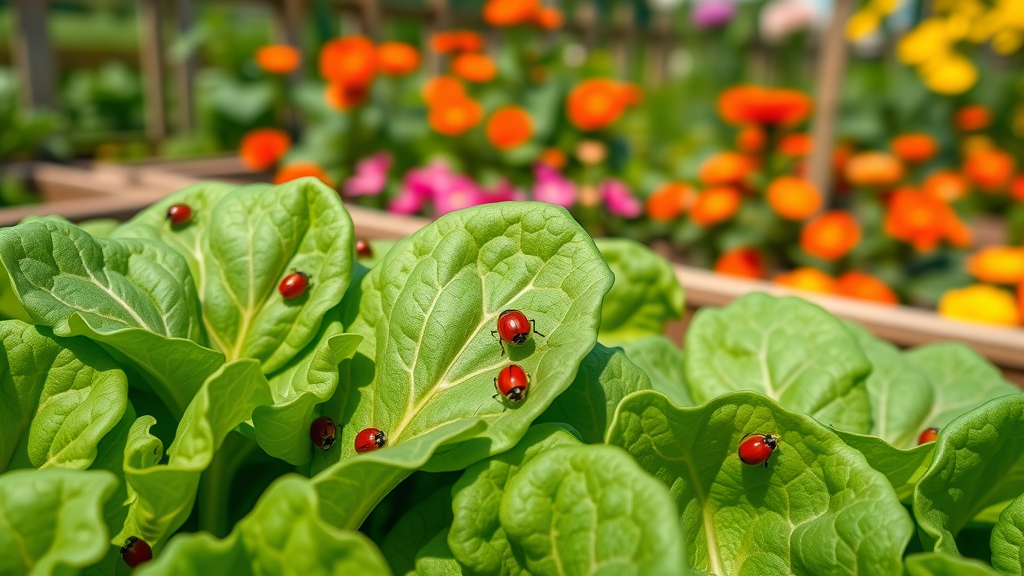
Nature always tries to reclaim what we plant, but organic pest solutions help you protect your harvest without harmful chemicals. Encourage beneficial insects —like ladybugs and lacewings—by planting flowers and avoiding broad-spectrum pesticides. Healthy plants are naturally more resistant to pests and disease, so focus on building vigor with proper watering, compost, and crop rotation.
Disease prevention begins with good spacing, air flow, and choosing disease-resistant varieties. Rotate crops each year to break pest and disease cycles, and remove any unhealthy plants quickly to limit spread. Mulch your raised beds to keep soil warm and minimize fungal spores splashing onto leaves.
Interplanting is a smart strategy—mix herbs, flowers, and vegetables to confuse pests and help attract pollinators. Many gardeners find that a diverse bed not only looks beautiful but is also more resilient. Stay vigilant, act quickly, and your home vegetable garden will flourish with less intervention.
Soil Amendments and Seasonal Care for Sustainable Vegetable Gardening
-
Composting for enriched soil
-
Seasonal crop planning
-
Raised beds and container garden soil renewal
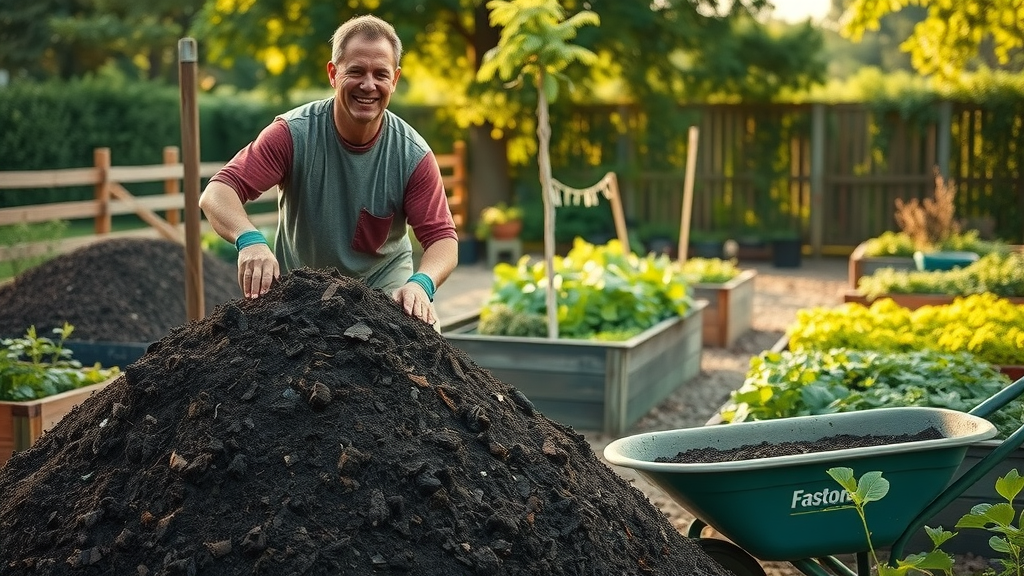
Keeping your soil healthy requires year-round attention. Composting is the simplest, most effective way to feed your garden beds with nutrients and beneficial microbes. A well-managed compost pile transforms kitchen scraps and yard waste into a goldmine for your home gardening efforts.
Plan your crops for the coming seasons—some vegetables prefer spring’s damp soil, while others thrive in summer’s heat or fall’s cool. Rotate beds and renew container garden soil between plantings to avoid nutrient depletion and buildup of pests or disease. If you use raised beds, replenish organic matter each winter to maintain fertility and structure.
A little seasonal care goes a long way toward supporting your home garden’s productivity. With regular feeding, careful planning, and attention to bed renewal, you’ll create a thriving ecosystem that rewards your hard work year after year.
Advanced Garden Plan Strategies for Productive Vegetable Gardening
-
Integrating fruit with vegetables in your home garden
-
Designing a four-season raised bed plan
-
Maximizing harvest with vertical supports
Ready to take your garden plan to the next level? Integrate fruits—like strawberries, raspberries, or blueberries—among your vegetable rows. These perennials add variety, attract pollinators, and maximize your available space.
A four-season raised bed plan extends your harvest, offering fresh crops spring through fall and hardy greens all winter with the help of simple cold frames or row covers. Emphasize succession sowing and staggered plantings to ensure there’s always something to pick, regardless of the month.
Vertical gardening—using trellises, arbors, or cages—is another strategy for boosting yield without increasing your garden’s footprint. Train climbing beans, cucumbers, or even small melons up supports to increase air flow, reduce pests, and simplify harvest. With these advanced strategies, your home vegetable garden becomes productive, beautiful, and efficient.
Harvest and Storage: The Culmination of the Requisites of the Home Vegetable Garden
-
Identifying harvest time for popular vegetables
-
Safe storage strategies for home-grown produce
-
Preserving excess harvest from raised beds and container gardens
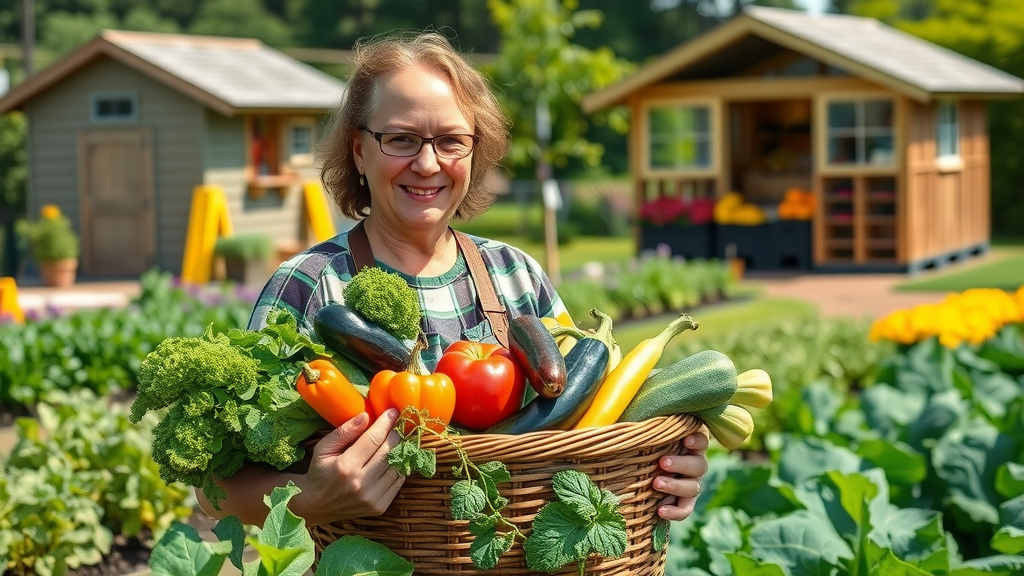
Harvesting at the right time is both an art and a science. Leafy greens are best picked young and tender, while peppers and tomatoes deliver superior flavor when fully ripened on the vine. Check seed packets for days to maturity, and develop a regular routine of checking your garden beds for signs of readiness.
For safe storage, clean and dry your produce before refrigerating or storing in a cool, dark place. Some vegetables, like potatoes and onions, will last for months if properly cured, while others are best enjoyed fresh or preserved through freezing, canning, or dehydration.
To make the most of a bumper crop, share the surplus with friends or local food banks. Preserving excess harvest not only reduces waste but gives you a taste of the gardening season all year long. Strong harvest strategies ensure the rewards of your home gardening work feed you and your loved ones for months beyond the final picking.
Expert Voices: Insights on Home Gardening Success
"A well-prepared garden bed is the foundation of every successful home vegetable garden," notes organic gardening expert Jane Smith.
Seasoned gardeners and experts agree: the time you invest in prepping your soil, planning your garden beds , and selecting resilient varieties pays off at harvest. Each improvement you make in your garden plan, from crop rotation to composting, is a step toward lasting, repeatable success.
Essential Reference Table: Key Requisites for the Home Vegetable Garden
|
Vegetable |
Soil Type |
Sunlight Needs |
Watering Frequency |
Raised Bed/Container Suitability |
|---|---|---|---|---|
|
Tomato |
Loamy |
Full Sun |
2-3x/week |
Both |
|
Lettuce |
Sandy Loam |
Partial Sun |
3x/week |
Both |
|
Carrot |
Sandy |
Full Sun |
1-2x/week |
Raised Bed |
|
Pepper |
Loamy |
Full Sun |
2x/week |
Both |
Quick-Start Checklist for Mastering the Requisites of the Home Vegetable Garden
-
Assess your planting site for sunlight and drainage
-
Test and amend your soil for vegetable gardening
-
Select vegetable varieties based on your garden plan
-
Set up raised beds or containers as needed
-
Water, mulch, and monitor for pests and disease
This checklist distills each critical step into actionable items, guiding even first-time home gardeners toward a successful garden .
People Also Ask: What are the must haves in a vegetable garden?
-
Quality soil (raised bed or in-ground)
-
Consistent sunlight (minimum 6 hours)
-
Reliable water source
-
Essential tools (spade, trowel, watering can)
-
Suitable vegetable seeds/seedlings
To truly thrive, every home vegetable garden needs rich soil, plenty of sunlight, regular watering, and the right selection of tools and seeds. Ensuring these basics are in place gives you the ideal environment for your vegetables to prosper from planting day to harvest.
People Also Ask: What do I need to start my vegetable garden?
-
Choose a sunny spot in your home garden
-
Prepare soil or build raised beds
-
Develop a simple garden plan
-
Gather seeds, seedlings, and basic tools
Starting a vegetable garden requires careful site and soil preparation. Plan your layout, gather reliable seeds or seedlings, and assemble key gardening tools. Beginning with a manageable space and clear plan makes the process enjoyable and leads to greater success as your skills grow.
People Also Ask: Which vegetables should not be planted next to each other?
-
Avoid planting onions with beans or peas
-
Do not mix tomatoes with corn or potatoes
-
Keep cabbage family away from strawberries
-
Reference garden plan for ideal pairings
Some vegetables don’t play well together, attracting similar pests or competing for nutrients. Carefully referencing your garden plan and using companion planting guides prevents these issues, ensuring each crop grows to its full potential.
People Also Ask: What are the basics of planting and growing a vegetable garden?
-
Prepare your garden site and soil
-
Use a well-organized garden plan
-
Follow spacing and depth guidelines for seeds/plants
-
Provide regular water, sunlight, and pest protection
-
Use raised beds or containers for improved control
Starting with good soil and a strong plan, then following through with attentive care, provides the essentials all vegetable gardens need to thrive. Add water, sunlight, regular inspections, and raised beds or containers for greater control and productivity.
Frequently Asked Questions on the Requisites of the Home Vegetable Garden
-
How do I adapt my vegetable gardening to small spaces? Use raised beds, vertical supports, and container gardens to maximize tight areas. Choose compact or dwarf vegetable varieties for best results.
-
Can raised beds improve yields? Yes, raised beds offer better soil quality, faster warmups in spring, and improved root growth, often resulting in bigger, healthier harvests.
-
What is the ideal watering schedule for my garden plan? Water thoroughly 2-3 times per week, adjusting for rainfall, temperature, and plant stage. Raised beds may require slightly more frequent attention, especially in hot weather.
-
Are container gardens just as productive as in-ground beds? With proper soil, watering, and sunlight, containers can compete with or even outperform in-ground beds—especially for herbs, greens, and compact vegetables.
Key Insights for Lasting Success With the Requisites of the Home Vegetable Garden
-
Prioritize planning: A comprehensive garden plan sets the stage
-
Raised beds streamline maintenance and crop rotation
-
Regular attention to watering and soil health pays dividends
To maximize your harvest, always begin with thorough site selection and a structured approach.
Your Path to a Thriving Home Vegetable Garden Starts Now
-
Take your first steps today by assessing space and essentials
-
Apply these requisites to build a fruitful home vegetable garden
-
Reap real rewards—nutrition, sustainability, satisfaction
Begin now: analyze your space, make a plan, and prepare your soil. You'll be harvesting the rewards of your efforts before you know it!
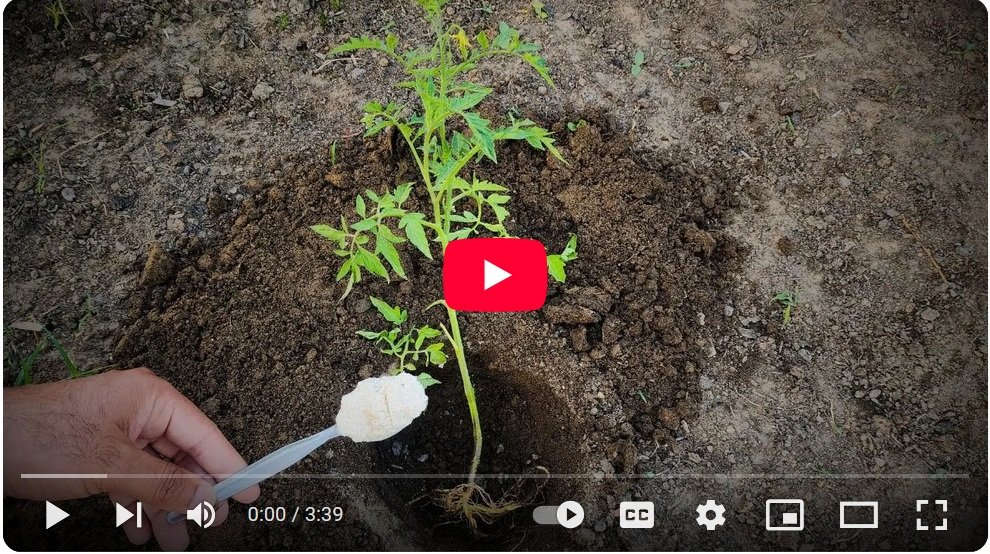

It's time to put knowledge into action—choose your site, prep your soil, and launch your home vegetable garden today!
Vegetable Garden Boxes Related Articles
- Avoid Plant Fungus During Summer – Stop Spread Fast!
- Avoid These Mistakes When Picking the Right Gardening Tools
- Choosing The Best Location For Your Garden
- Garden Pests? Here's the Fast Fix
- Herb Gardening Secrets for Fresh Flavors All Year!
- Master the Requisites of the Home Vegetable Garden Now!
- Master Vegetable Gardening: Grow Fresh Veggies Now!
- Raised Vegetable Boxes for Seniors: Easy Garden Solutions
- Starting Plants From Seeds?
- Struggling with Vegetable Garden Boxes? Easy fixes here!
- The Cultivation of Vegetables: Secrets to a Bountiful Harvest