


Why Picking the Ideal Location for Your Garden Matters More Than You Think
-
Did you know that up to 90% of garden failures are caused by poor site selection? Too often, gardeners overlook how microclimates, sun exposure, or proximity to amenities deeply influence garden outcomes.
-
This section unpacks startling facts and introduces the critical variables—from sunlight to drainage—that determine whether your home garden blossoms or struggles. You’ll learn how the smallest miscalculation in picking the ideal location for your garden can jeopardize your growing season but also how simple choices can set you up for vegetable garden success.
-
Through real data, you’ll understand how optimal placement is fundamental for everything you hope to grow, whether it’s juicy tomatoes in full sun or lush leafy greens in the best garden soil.
Essential Success Factors When Picking the Ideal Location for Your Garden
-
Sunlight: Most vegetables need at least 6-8 hours of direct sunlight daily. Choose a garden site that receives abundant sun for as much of the day as possible; hours of sun are the backbone of excellent harvests for crops like peppers and tomatoes. Inadequate exposure will result in spindly plants and sparse yields.
-
Soil Quality: Good soil is the anchor of any successful garden. Before you put your garden in the ground, evaluate soil pH, organic matter content, and the presence of perennial weeds. Conduct a soil test to determine the best amendments and seek a spot with crumbly, fertile, and well-draining earth.
-
Water Access and Proximity: Your vegetable garden should be close enough to a reliable water source to encourage regular watering and maintenance. Nobody wants to haul heavy watering cans across the yard. The location should also be convenient for daily visits, encouraging consistent care throughout the growing season.
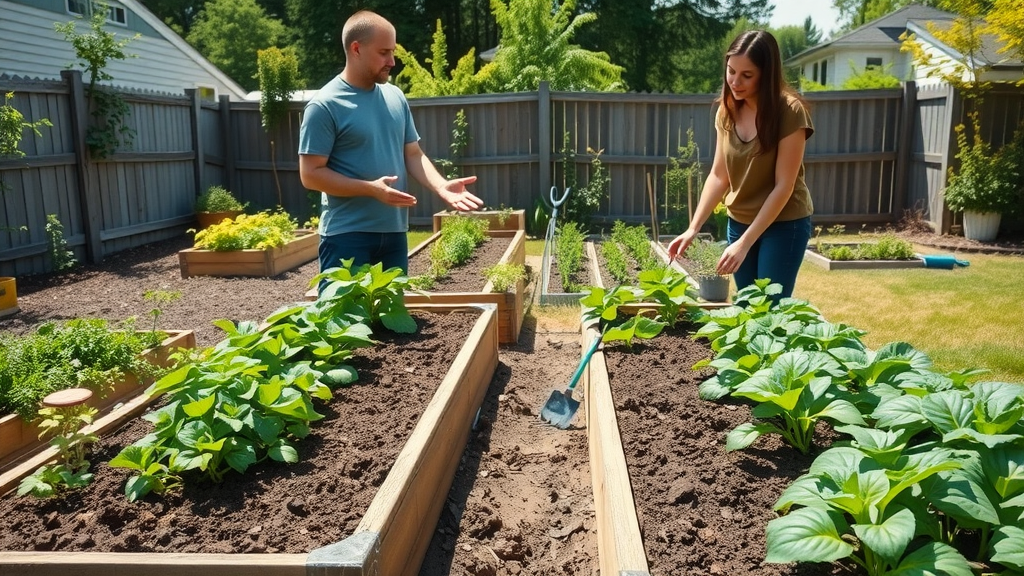
Comparing Garden Site Options: Raised Beds vs. Traditional Plots
|
Criteria |
Raised Beds |
Traditional Plots |
|---|---|---|
|
Soil Quality |
Control over soil mix; amend easily for good soil health |
Dependent on native soil; improvement may require more effort |
|
Pest Control |
Fewer weeds, less risk of pests; can add barriers under beds |
More susceptible to perennial weeds and soil-dwelling pests |
|
Drainage |
Excellent drainage; rarely standing water |
Risk of poor drainage, especially in low-lying spots |
|
Flexibility |
Moveable; great for small or awkward spaces like front yards |
Permanent location; best for larger open areas |
The Impact of Full Sun on Picking the Ideal Location for Your Garden
Understanding Sun Exposure: Why Full Sun Is Essential for a Vegetable Garden
-
Full sun means an area receives at least six to eight hours of direct, unobstructed sunlight each day, which is vital for most vegetable gardens. Without adequate sun exposure, high-demand vegetables like tomatoes, peppers, and leafy greens struggle with slow growth and diminished yields.
-
To track sunlight in your yard, observe your potential garden site at different times of the day—especially during the growing season. A simple fact sheet or even a handwritten chart will reveal if certain areas lose sunlight due to shadows from trees, fences, or structures. Once you’ve marked areas with consistent full sun, these spots should top your garden site selection shortlist.
-
If hours of sun fluctuate, prioritize locations that consistently meet these thresholds. Remember, even in early spring or at the start of the growing season, monitoring sun patterns prevents disappointment later. Partial shade may work for some crops, but consistent sunlight is the number one factor for thriving vegetable gardens and high-quality harvests.
The Role of Soil Quality When Choosing the Place for a Vegetable Garden
Testing and Improving Garden Soil Before You Put Your Garden in Place
-
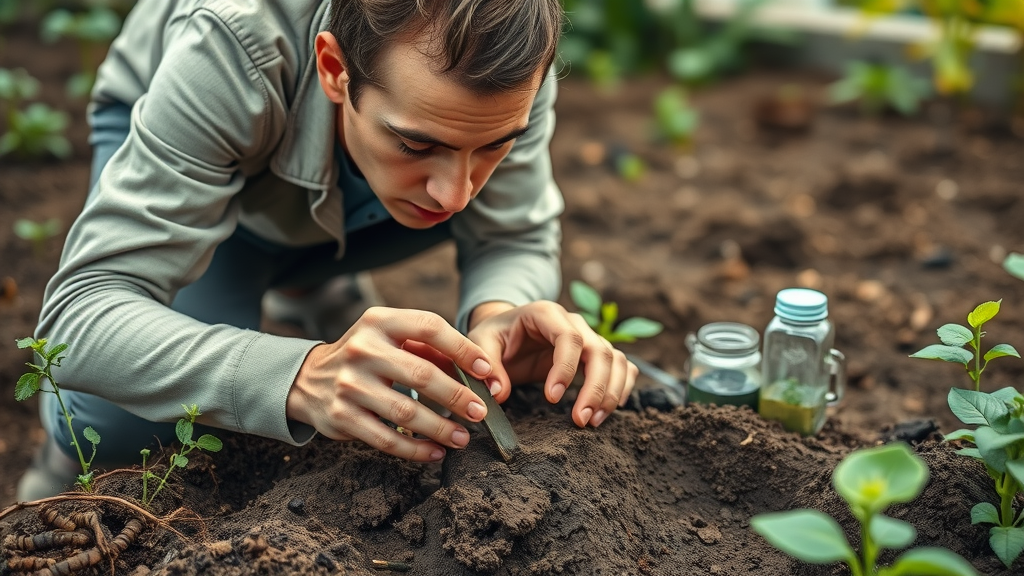
Begin with a soil test —the most reliable way to know your soil’s pH, fertility, drainage, and underlying structure. Collect samples from several locations within your proposed garden bed to ensure an accurate assessment of your garden soil.
-
Test for good drainage by digging a hole and filling it with water: if it drains completely within a few hours, your soil is suitable. If you see standing water or soggy patches, you’ll need to amend the area or switch to raised beds to avoid poor drainage that can lead to root rot and disappointing results.
-
Simple ways to improve poor garden soil include adding compost, well-rotted manure, or sowing a cover crop during the off-season. For persistently challenging sites, raised beds allow you to bypass problematic ground altogether and grow vegetables in a custom blend of good soil and rich organic matter.
Mistakes to Avoid When Picking the Ideal Location for Your Garden Site
-
Ignoring Water Sources: Sites too far from a water source discourage regular, effective watering and can result in a parched garden in summer’s heat. Always check proximity before you put your garden in place.
-
Underestimating Shading: Failing to account for big trees, fences, or buildings that cast shade for much of the day can cripple your vegetable garden’s output—even if the spot looks sunny at midday. Evaluate sun patterns over a full day and throughout the growing season.
-
Picking Low-Lying Spots: Areas that collect runoff or show standing water after rain usually have poor drainage, leading to waterlogged roots and increased risk of disease. Raised beds are a lifesaver here, or choose a site with natural slope to ensure good drainage.
-
Overlooking Soil Health: Don’t assume any patch of earth is good soil. Conduct a soil test and address deficiencies with compost, cover crops, or amendments before planting.
How to Pick the Best Location for a Garden: Step-by-Step Guide
-
Map your yard or space: Visualize available areas, noting where gardens might best fit.
-
Observe sun paths and shade patterns: Take note of where the sun hits throughout the day and which spots remain shaded.
-
Assess soil quality and drainage: Conduct a soil test, and pay attention to how quickly water drains after rain.
-
Review water access points: Identify the most convenient water source for regular irrigation.
-
Plan for raised beds if needed: If the best site has poor soil or drainage, opt for raised beds to ensure a fruitful growing season.
What Is the 70/30 Rule in Gardening and How Does It Affect Picking the Ideal Location for Your Garden?
-
The 70/30 rule states that 70% of your effort should go into preparing your garden site and soil, while just 30% goes into planting and maintenance. This mindset shift is echoed by top garden experts: smart site and soil preparation is the foundation of a successful garden, ensuring fewer struggles with weeds, pests, and poor yields.
-
Dedicated preparation, whether through soil testing, sun tracking, or planning for good drainage, pays off exponentially when harvest time comes. Prioritizing the first step—picking the ideal location for your garden—creates a foundation for everything you hope to grow.
-
“A successful gardener spends more time choosing where to garden than on the act of gardening itself.” – Garden Expert
Key Considerations When Selecting the Location for Your Vegetable Garden
-
Adjacent trees: Nearby roots can battle your crops for water and nutrients. Avoid planting beds close to established trees or large shrubs.
-
Wind exposure or facing slope: Select a location sheltered from prevailing winds but with enough slope to ensure good drainage.
-
Convenience: The best home gardens are visited regularly, so position your beds where they’re easy to reach from your living space or kitchen—front yard or backyard, as long as it’s accessible.
-
Slope: Gentle slopes aid drainage, but steep inclines can cause erosion. Use terracing or raised beds where necessary.
-
Checklist:
-
Full sun for at least 6 hours daily
-
Healthy, well-drained garden soil
-
Protection from wind and large tree roots
-
Accessible water source
-
Convenient for regular visits and maintenance
-
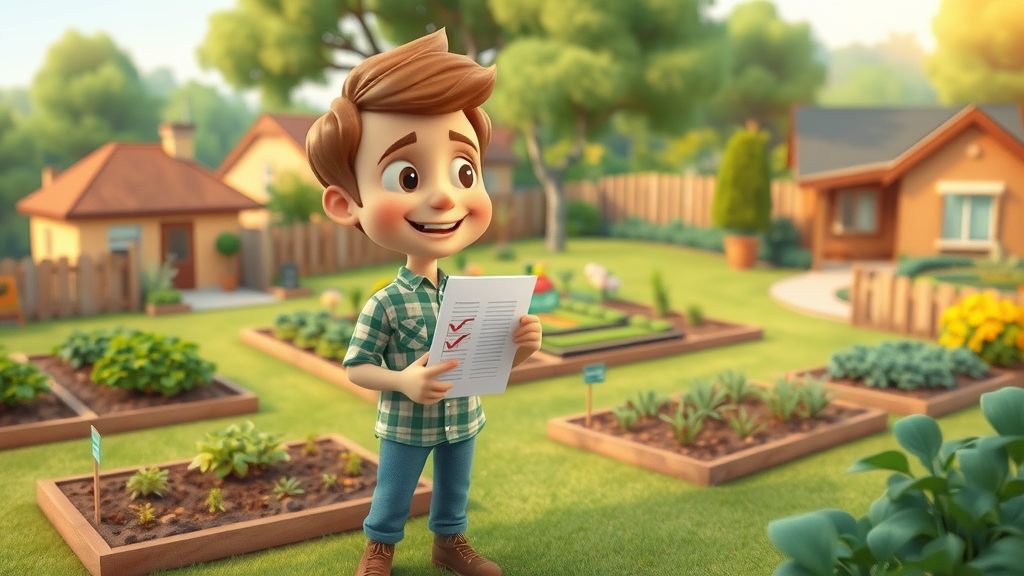
What Is the Rule of 3 in Gardening and Its Role in Picking the Ideal Location for Your Garden?
-
The Rule of 3 in gardening means: 1) grow what you actually eat and enjoy, 2) include at least three varieties—like leafy greens, root vegetables, and herbs—and 3) weigh three site options before deciding on the best.
-
This rule simplifies decision-making and encourages smarter garden site selection by comparing multiple locations for their hours of sun, soil test results, and ease of access, increasing the odds of picking the ideal location for your garden.
-
Trying out several spots prevents committing to a poor site and often reveals unexpected microclimates—making your garden site more productive and enjoyable.
Top 5 Tips for Picking the Ideal Location for Your Garden
-
Prioritize areas receiving full sun for the majority of the day.
-
Ensure the site offers well-draining, fertile soil.
-
Stay close to a water source for quick, routine watering.
-
Avoid spots near large tree roots or perennial weeds.
-
Use raised beds to overcome persistent issues with poor drainage or compacted soil.
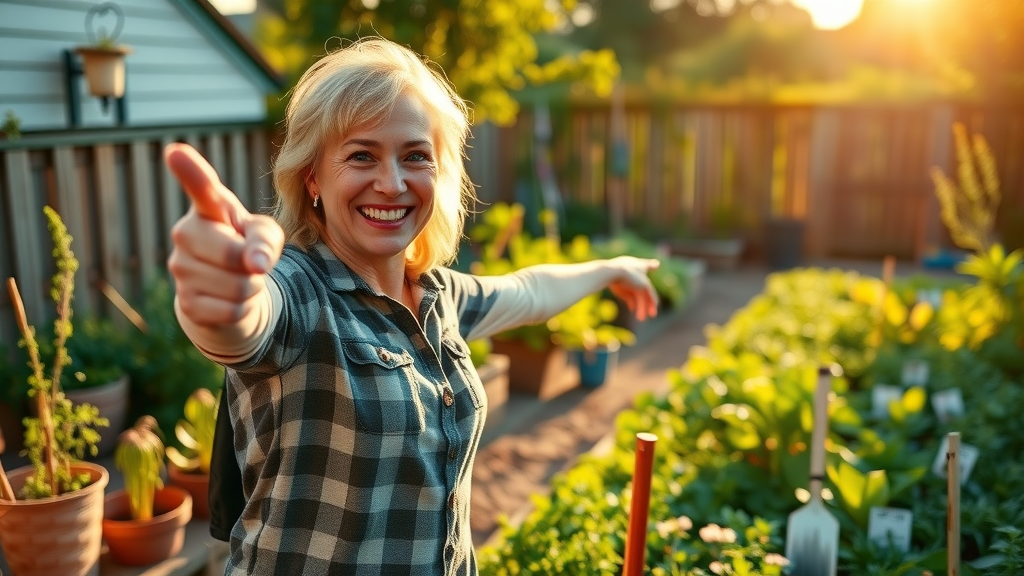
Expert Mistakes to Avoid When You Put Your Garden in the Wrong Place
-
Real-life mistake: Planting a vegetable garden at the bottom of a slope where water accumulates—leading to waterlogged roots and rotten crops. Solution: Install raised beds or move your garden to the upper slope for better drainage.
-
Error: Choosing a garden site just out of reach from the hose or tap. Solution: Relocate beds closer to your water source or install a convenient irrigation system.
-
Prevention: Always observe your space for a full growing season if possible, checking for unexpected shade, standing water, or high wind. Gather a checklist and review before you put your garden in place.
Optimal Place for a Vegetable Garden: Urban vs. Suburban Considerations
-
Urban yards may have limited sunlight and space, so balcony container gardens or rooftop raised beds often outperform ground plots. Sun exposure can be tricky—observe hours of sun on all possible surfaces and choose the spot with the longest exposure.
-
Suburban home gardeners can appraise front yard or backyard areas with more space. Prioritize proximity to the kitchen, good soil, and ease of access. If poor drainage or compacted soil is an issue, use raised beds or amend traditional plots as needed.
-
For both environments, seek convenient water access and consider community garden options if your home site isn’t ideal. Utilize containers or vertical gardening when room is tight—success follows solid site selection, regardless of property size.
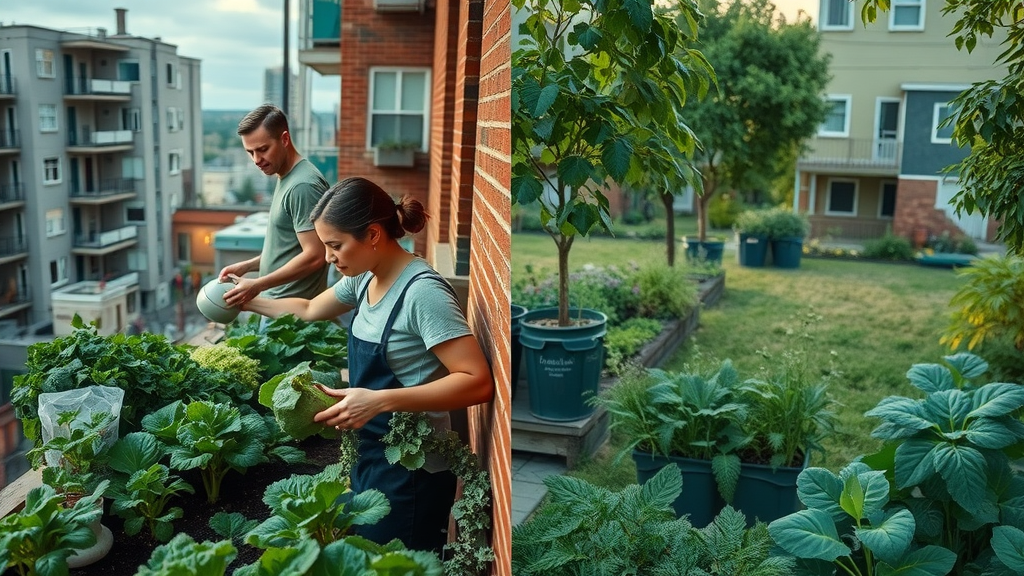
How Picking the Ideal Location for a Garden Transformed My Harvest
“After moving my raised beds to a sunnier spot, my harvest tripled the very next season!” – Home Gardener
-
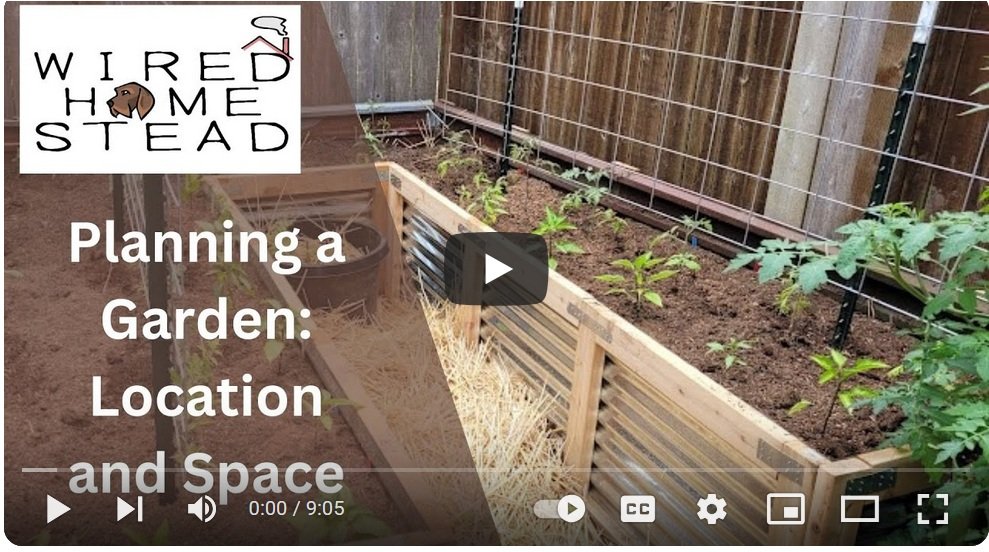
This embedded tutorial video breaks down common garden site selection mistakes. Watch practical demonstrations—such as misreading sun paths or ignoring drainage—in real-life garden settings, arming you with solutions before you put your garden in place.
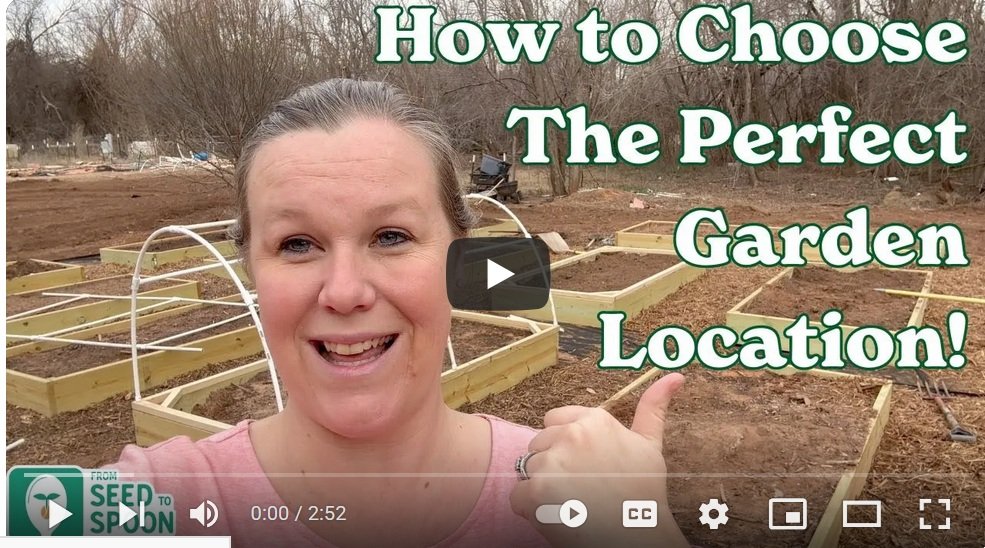
Garden Site Selection Mistakes and Practical Demonstration Tutorial
-
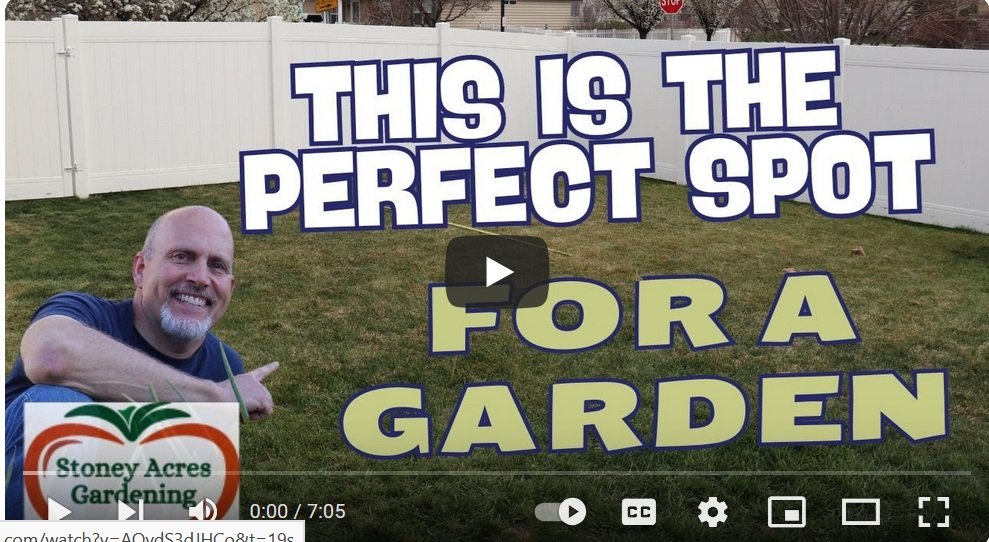
Follow this step-by-step visual guide to identify the best planting area in your yard. Use sun tracking tools and quick soil assessment techniques to determine where your vegetable garden will thrive. Clear and demonstrative, this ensures you don’t miss the ideal spot.
PAA: How to pick the best location for a garden?
-
If you want abundant harvests, analyze your available space for maximum hours of full sun, fertile well-draining soil, and convenient water access. Select a spot that’s easy for you to reach throughout the growing season and use raised beds when necessary. Weigh and compare sites before making your decision—small steps result in major rewards.
PAA: What is the 70/30 rule in gardening?
-
The 70/30 rule recommends that 70% of your gardening efforts go into preparing the right site and soil, while only 30% focuses on planting and upkeep. By investing more time in initial site selection and soil quality upgrades, you lay the essential groundwork for a truly successful vegetable garden year after year.
PAA: What factors do you consider when selecting a location for the garden?
-
Look for areas with at least 6-8 hours of direct sun, good drainage and healthy soil, easy access to water, shelter from wind, and proximity to your house for convenient maintenance. Factor in adjacent tree roots and avoid spots with perennial weeds or poor drainage. Convenience often determines long-term gardening success.
PAA: What is the rule of 3 in gardening?
-
The rule of 3 in gardening suggests you: 1) grow three kinds of vegetables or herbs you eat most, 2) experiment with three site locations, and 3) select the one that consistently offers the best sunlight, soil test results, and convenience. This rule helps both beginner and seasoned gardeners make confident, informed choices.
Checklist: Picking the Ideal Location for Your Garden
-
Observe and chart areas with full sun (6-8 hours daily)
-
Test garden soil for fertility and drainage quality
-
Avoid proximity to tree roots and perennial weeds or shady areas
-
Ensure site has easy and reliable water access
-
Pick a spot convenient for regular checks and harvesting
Reader FAQs About Picking the Ideal Location for Your Garden
-
How can I improve poor garden soil in my chosen spot?
Add compost, well-rotted manure, or organic matter. Planting a cover crop in the off-season improves structure and fertility. Raised beds can also provide quick fixes for stubborn native soil. -
How close should my vegetable garden be to my kitchen?
Closer is best—vegetable gardens near your kitchen or main door increase the likelihood of regular tending and harvesting, making garden-to-table meals more effortless. -
Can raised beds help if my site drains poorly?
Absolutely. Raised beds create good drainage above problematic native soil and can be filled with a quality soil mix for healthier plants, making them suitable for areas with clay or hardpan issues. -
Are there ways to create full sun in a shady yard?
Prune overhanging branches, remove unnecessary structures, or use reflective surfaces to enhance available sunlight. If shade is inevitable, choose crops that tolerate partial shade such as leafy greens, or relocate your garden to a sunnier patio or balcony.
Incorporate These Steps for Picking the Ideal Location for Your Garden and Maximize Your Harvest
-
Apply the strategies outlined to assess sun, soil, water, and accessibility. Use the provided checklists and rules to evaluate your unique site and compare multiple options. With thoughtful planning, you’ll confidently pick the best spot and set the stage for a thriving vegetable garden season after season.
Vegetable Garden Boxes Related Articles
- Avoid Plant Fungus During Summer – Stop Spread Fast!
- Avoid These Mistakes When Picking the Right Gardening Tools
- Choosing The Best Location For Your Garden
- Garden Pests? Here's the Fast Fix
- Herb Gardening Secrets for Fresh Flavors All Year!
- Master the Requisites of the Home Vegetable Garden Now!
- Master Vegetable Gardening: Grow Fresh Veggies Now!
- Raised Vegetable Boxes for Seniors: Easy Garden Solutions
- Starting Plants From Seeds?
- Struggling with Vegetable Garden Boxes? Easy fixes here!
- The Cultivation of Vegetables: Secrets to a Bountiful Harvest