


Did you know that almost 70% of seniors consider quitting gardening due to physical discomfort? Yet, with raised vegetable boxes for seniors , tending to plants can become not just possible, but pleasurable once again. This article will guide you through the practicalities and benefits of gardening with these accessible solutions—proving that a green thumb knows no age limits.

Gardening is not just a hobby—it’s a proven way to boost emotional well-being, stay physically active, and engage in purposeful activity. Sadly, for many elderly gardeners, traditional garden beds mean aching joints, sore backs, and difficult bending. The advent of raised garden beds and specialized garden beds for seniors have entirely shifted this narrative, enabling anyone—regardless of age or mobility—to enjoy fresh vegetables right outside their door.
Why Raised Vegetable Boxes for Seniors are Revolutionizing Senior Center Gardening
The introduction of raised vegetable boxes for seniors is shaking up gardening at every senior center across the country. Unlike traditional garden beds, these accessible solutions offer easy access and a comfortable height, no longer requiring seniors to kneel down or stretch beyond their limits. Instead, gardening becomes an enjoyable, pain-free experience, eliminating many of the obstacles older adults face.
Thanks to raised garden beds, more seniors are returning to garden clubs and community plots in their local areas. Whether in private backyards or bustling senior centers, these garden beds for seniors make it easy for elderly gardeners to tend to their plants, cultivate vegetables, and reap the many health benefits gardening rewards. This revolution isn’t just about planting—it’s about restoring independence and confidence for seniors with limited mobility, arthritis, or balance challenges.
The Statistics: Limited Mobility and the Importance of Accessible Garden Beds
Statistics show that approximately 80% of older adults experience some mobility limitations, which can dramatically affect their gardening experience. Traditional gardening methods often involve bending, kneeling, and heavy lifting, making it nearly impossible for many seniors with limited strength or joint issues. Raised beds for seniors specifically cater to these needs by offering garden bed heights and widths that reduce or even eliminate the need for uncomfortable stooping.

Accessibility in gardening is not just a luxury—it is essential for health, happiness, and participation. Raised garden bed designs take into account the unique physical requirements of older adults, especially ensuring that wheelchair users or those with walkers find it easy to tend their garden beds. These solutions ensure gardening remains a lifelong passion, not a fleeting activity lost to aging.
How Raised Vegetable Boxes for Seniors Outperform Traditional Garden Beds
Unlike ground-level options, raised vegetable boxes for seniors are purpose-built for comfort, access, and safety. They provide a comfortable height that means less bending and reaching, which helps seniors with arthritis, poor balance, or chronic pain remain active for longer. Raised beds also foster better drainage, improved soil health, and reduced weed proliferation—key factors for a low-maintenance, successful garden experience.
Another clear advantage is pest and critter control. Traditional garden beds often attract burrowing animals and ground-dwelling insects; in contrast, elevated beds deter these common annoyances, saving elderly gardeners the hassle of constant monitoring. The customizable nature of raised beds ensures that every garden, whether at a senior center or home, can perfectly suit the unique needs of its users.
"Did you know that over 60% of seniors report joint pain as a barrier to traditional gardening? Raised beds are changing that statistic for elderly gardeners everywhere."
Understanding Raised Vegetable Boxes for Seniors: Key Features and Considerations
Choosing the right raised vegetable boxes for seniors means more than selecting a garden bed at random. There are essential features, materials, and layouts to consider to make gardening truly accessible for seniors. Key considerations include proper drainage, optimal height, the ergonomics of the box, and the type of materials used in the build—all of which can transform gardening from a challenge into a pleasure.
Garden Bed vs. Raised Bed: What’s the Difference for Seniors?
While both traditional garden beds and raised beds are meant for cultivating vegetables and herbs, there are stark differences in their design and utility, especially for seniors. A traditional garden bed sits at ground level, requiring gardeners to stoop, kneel, and stretch—activities that can cause discomfort, pain, and even risk of falls for seniors. Conversely, a raised bed garden elevates soil and plants up to a more reachable height, removing or dramatically reducing the need for bending and awkward movements.
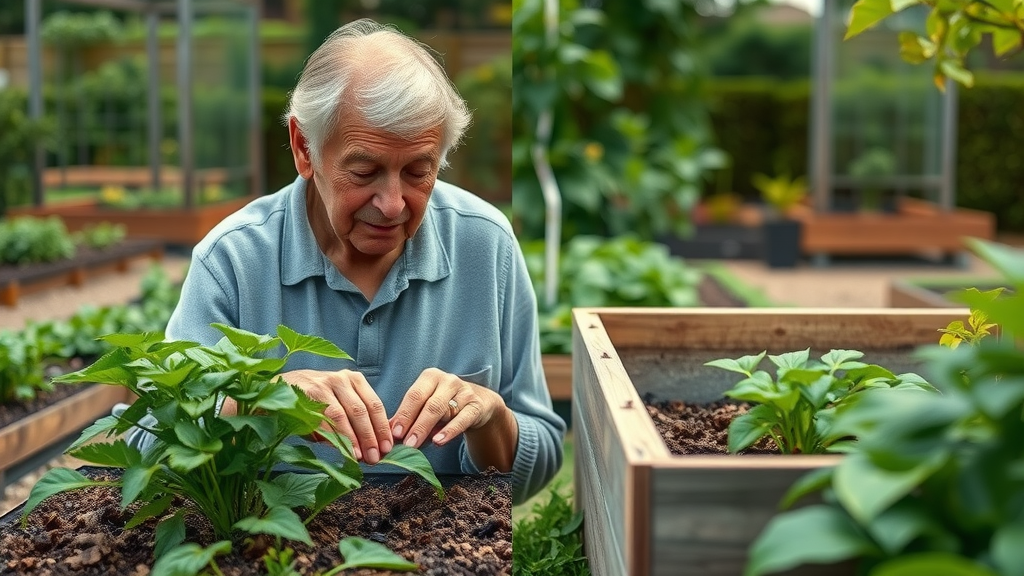
With raised beds, accessibility is built into the design, ensuring even those who use wheelchairs or have limited mobility can participate equally in gardening. Raised beds also control soil quality and moisture better, preventing messy runoffs and helping seniors maintain a healthy root environment for their vegetables. For any senior center or home garden, opting for a raised bed is about making gardening possible and delightful—no matter your age.
Essential Features: Drainage Hole Placement, Height, and Materials in Raised Beds
When selecting a raised vegetable box for seniors, drainage holes are critical. Proper placement ensures water flows freely, preventing the roots from rotting and allowing healthy air circulation within the soil. A comfortable height (typically between 24-36 inches) is equally vital for reducing strain on joints and making gardening a more ergonomic activity for elderly gardeners. The right materials—whether wood, metal, or composite—provide durability, ease of assembly, and resistance against rot or rust, particularly when exposed to outdoor elements year-round. These thoughtful features collectively turn raised beds into accessible, senior-friendly garden beds.
|
|
|
Comparison Table: Raised Vegetable Boxes for Seniors vs. Traditional Planter Boxes |
|
Feature |
Raised Vegetable Boxes for Seniors |
Traditional Planter Boxes |
|---|---|---|
|
Height |
24-36 inches, optimized for standing or seated work |
12-18 inches, often too low for seniors |
|
Accessibility |
Easy access for wheelchair and walker users |
Limited, often requires kneeling or bending |
|
Drainage |
Multiple, strategically placed drainage holes |
Few or poorly positioned drainage holes |
|
Material Choices |
Weather-resistant, lightweight, often composite |
Usually basic wood or plastic, less durable |
|
Maintenance |
Low; easy to weed, water, and harvest |
More frequent care needed |
|
Suitability |
Ideal for seniors with limited mobility |
Designed for general population |
How to Select the Best Raised Vegetable Boxes for Seniors at Home or a Senior Center
Selecting the right garden bed is crucial for an enjoyable, pain-free gardening experience. Whether you are shopping for your home or enhancing a local senior center, a few key decisions will drastically improve accessibility and usability. The most important factors are the size and height of the bed, the choice of materials, and thoughtful placement within your available gardening space.
Bed Size and Height: What Works Best for Seniors with Limited Mobility
Optimal sizing matters. Raised vegetable boxes should be wide enough to accommodate plenty of vegetables but narrow enough to reach every part without straining. A width of 2-3 feet is ideal; anything wider can make the center of the bed hard to reach from the sides. As for height, raised beds between 24 and 36 inches are considered most ergonomic, promoting easy access for standing seniors or those using wheelchairs or garden stools. Elderly gardeners with limited reach find taller beds far easier to work with, ensuring everyone can continue to tend to their plants independently.
Choosing the Right Raised Bed Materials for Durability and Safety
Raised vegetable boxes for seniors are available in a range of materials, each with pros and cons. Wood (like cedar or redwood) is popular for its natural appearance but should be treated or naturally rot-resistant for longevity. Metal (often galvanized steel) offers sleek durability and resists warping but can heat up quickly in strong sun. Composite materials blend wood fibers with recycled plastic for an almost maintenance-free solution, impervious to rot or termites. Seniors and caregivers should prioritize options that are sturdy, chemically safe, easy to assemble, and resistant to the elements for consistent and long-term use.

Whatever your choice, ensure the raised bed garden is stable and free from sharp edges. Pre-manufactured kits often come in modular designs, simplifying assembly. For elderly gardeners, the best material is often one that balances visual appeal, weather resistance, and safety, making gardening an effortless highlight of their daily routine.
Garden Bed Placement: Sunlight, Accessibility, and Raised Garden Design Tips
Location makes all the difference in the success of your raised vegetable boxes. Aim for an area that receives at least six to eight hours of direct sunlight daily, as most vegetables require plenty of light to thrive. Placing the bed near your home or the main walking path of your senior center increases the likelihood it will be visited and enjoyed regularly. For wheelchair or walker users, ensure there’s ample clearance (at least 24-36 inches around each bed) for maneuverability and safe movement.
Design-wise, consider raised beds with ledges or benches for easier rest periods, and choose non-slip surfaces for walkways. Arranging beds in straight lines or shallow “U” shapes makes traversing the garden more manageable for all users. Thoughtful planning ensures the raised vegetable boxes aren’t just accessible, but also attractive and inviting for seniors and their loved ones.
Planning Your Raised Vegetable Box for Seniors: Soil, Drainage, and Layout
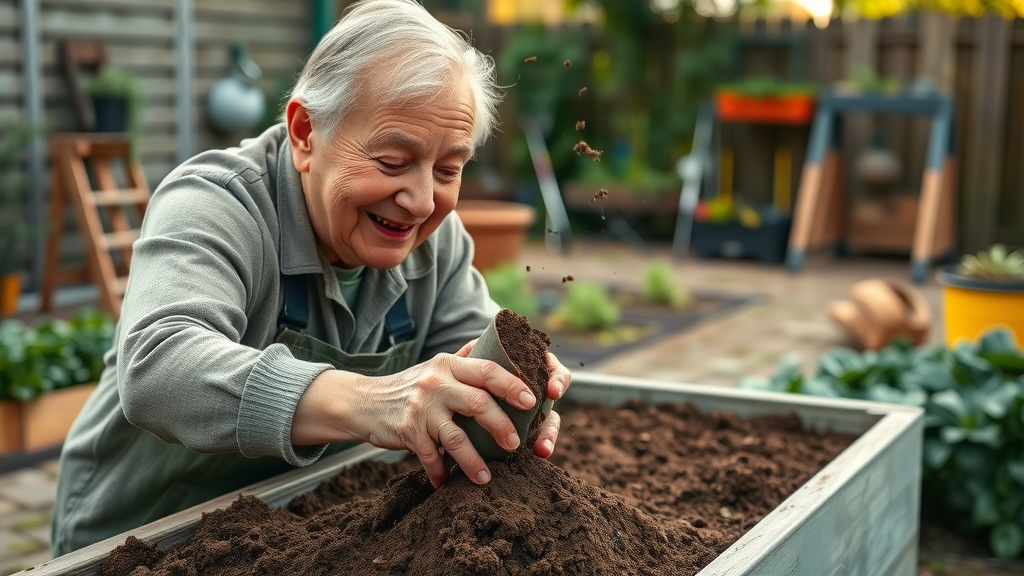
The foundation of a successful raised bed garden is its soil and drainage. Senior-friendly gardening involves minimizing maintenance while maximizing harvest. Select a well-draining, nutrient-rich soil mix, pay careful attention to adequate drainage holes, and plan layouts to ensure the beds remain easy to access and water throughout the year.
How to Fill a Raised Vegetable Box: Soil Mixes for Optimal Vegetable Growth
The right soil mix is vital for productive raised vegetable boxes. A blend of 60% high-quality topsoil, 30% organic compost, and 10% perlite or vermiculite provides optimal drainage and moisture retention for vegetables. This mixture encourages root health while ensuring plants are not drowned or parched. Adding slow-release organic fertilizer during setup will give your crops a healthy head start and reduce the frequency of feeding required through the season.
Why Drainage Holes are Essential in Raised Garden Bed Gardens
Well-placed drainage holes keep water from pooling at the bottom of the raised planter box. Too much water, especially for vegetables, leads to root rot and disease. Always select or build raised vegetable boxes for seniors with multiple drainage outlets—typically spaced 4-6 inches apart along the bottom. For seniors, ensuring easy-to-maintain beds without soggy soil means less plant stress, less weeding, and healthier vegetables overall.
Arranging Your Beds for Senior-Friendly Gardening
Strategic arrangement plays a role in comfort and success. Raised beds should be arranged in rows or clusters with enough space for paths wide enough for mobility aids. Place taller vegetable varieties at the back (or north side, in outdoor beds) to prevent shading out sun-loving plants in front. Consider companion planting—pairing vegetables and herbs that support each other’s growth—to simplify pest management for elderly gardeners, making garden maintenance even more manageable.
-
Checklist: Supplies Needed for Raised Vegetable Boxes for Seniors
-
Pre-assembled or kit-style raised vegetable box (wood, metal, or composite)
-
High-quality soil mix (topsoil, compost, perlite/vermiculite)
-
Organic slow-release fertilizer
-
Hand tools with ergonomic handles
-
Wheelchair/walker accessible path or mat
-
Mulch and row markers
-
Watering can or lightweight hose
-
Seeds or starter seedlings
-
Gardening gloves and knee pads (if necessary)
-
Top Vegetables to Grow in Raised Vegetable Boxes for Seniors (And Which to Avoid)
One of the joys of raised vegetable boxes is the freedom to select the most rewarding and accessible crops. Seniors should prioritize low-maintenance, high-yield plants for an enjoyable and successful raised bed garden . Equally important is avoiding vegetables that are too large, sprawling, or require more work than most are willing to invest.
Best Vegetable Choices for Raised Garden Boxes
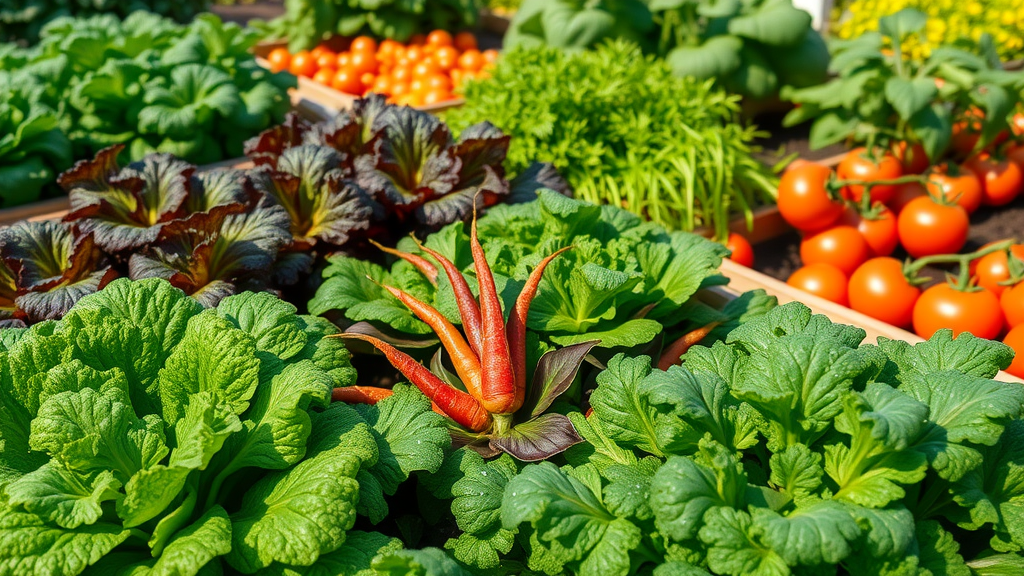
Raised vegetable boxes for seniors are perfect for growing leafy greens, compact root crops, and small fruiting vegetables. Favorites include lettuce, spinach, kale, radishes, beets, carrots, bush beans, and cherry tomatoes—all offering high yields in a small space, with minimal maintenance. Culinary herbs like basil, parsley, and chives also thrive and are easy for seniors to harvest frequently. These selections will keep garden beds vibrant, productive, and accessible all season long.
What Vegetables Should Not Be Grown in a Raised Garden Bed?
Some vegetables simply require more space, support, or maintenance than most raised beds (and elderly gardeners) allow. Avoid extra-large crops like corn, sprawling pumpkins, or towering sunflowers, as they can quickly overshadow smaller vegetables, require staking, and take up valuable raised bed real estate. Vining crops like watermelon or large squash varieties can be unwieldy, making them poor choices for accessible gardening. Instead, stick to compact, upright varieties that grow well in limited space and are easy to manage from a comfortable height.
-
List: Low-Maintenance, High-Yield Vegetables for Seniors
-
Leafy greens (lettuce, spinach, arugula)
-
Carrots and beets
-
Radishes
-
Bush beans and snap peas
-
Cherry or patio tomatoes
-
Culinary herbs (basil, chives, parsley, mint)
-
Onions and green onions
-
Peppers (compact varieties)
-
Garden Bed Maintenance for Seniors: Simple Tips for Raised Planter Boxes and Beds

Keeping your raised vegetable boxes for seniors in top shape doesn’t have to mean hours of work each week. Smart design and a little routine attention will keep them yielding bountifully with minimal effort. Prioritize simple pruning, watering, and mulching practices that support senior independence and enjoyment.
Routine Maintenance for Raised Garden Beds
Regular tasks for elderly gardeners include removing dead or damaged leaves, checking soil moisture, and inspecting for pests. Raised beds often reduce weed growth, but the occasional weed may need to be pulled. Lightly tilling the soil and adding mulch each season helps retain moisture and suppress new weed growth. The high sides of raised beds prevent accidental trampling and make every routine gardening task easier for seniors .
Seasonal Checklist for Garden Beds for Seniors
Seasonal upkeep is generally straightforward with raised garden beds. In spring, clear out winter debris, refresh soil levels with compost, and start new seedlings. Summer requires consistent watering—especially during dry spells—while autumn is ideal for harvesting vegetables, removing spent plants, and adding a protective layer of mulch. Winter can be used for bed repairs and planning next season’s crops. This cyclical routine keeps garden beds healthy and easy to manage.
Pest Management and Organic Solutions for Senior-Friendly Raised Beds
Elevated beds naturally reduce some pest pressures, but insects and wildlife may still appear. Combat them using simple, organic solutions: handpicking, floating row covers, or natural sprays made from garlic or neem oil. Frequent visual checks (ideally during regular watering or pruning) mean any problem is caught early. Many elderly gardeners appreciate that raised beds are easier to reach and inspect, lowering the risk of pest outbreaks getting out of hand.
|
|
Maintenance Schedule: Monthly Tasks for Raised Vegetable Boxes for Seniors |
|
Month |
Tasks |
|---|---|
|
March–April |
Clear debris, refresh soil, start seeds |
|
May–June |
Water regularly, weed, prune, add mulch |
|
July–August |
Harvest crops, monitor for pests, amend soil if needed |
|
September–October |
Remove old plants, plant fall crops, add compost and mulch |
|
November–February |
Inspect structure, plan spring planting, protect with covers if needed |
Answering Common Questions About Raised Vegetable Boxes for Seniors
How Tall Should Raised Garden Beds Be for Seniors?
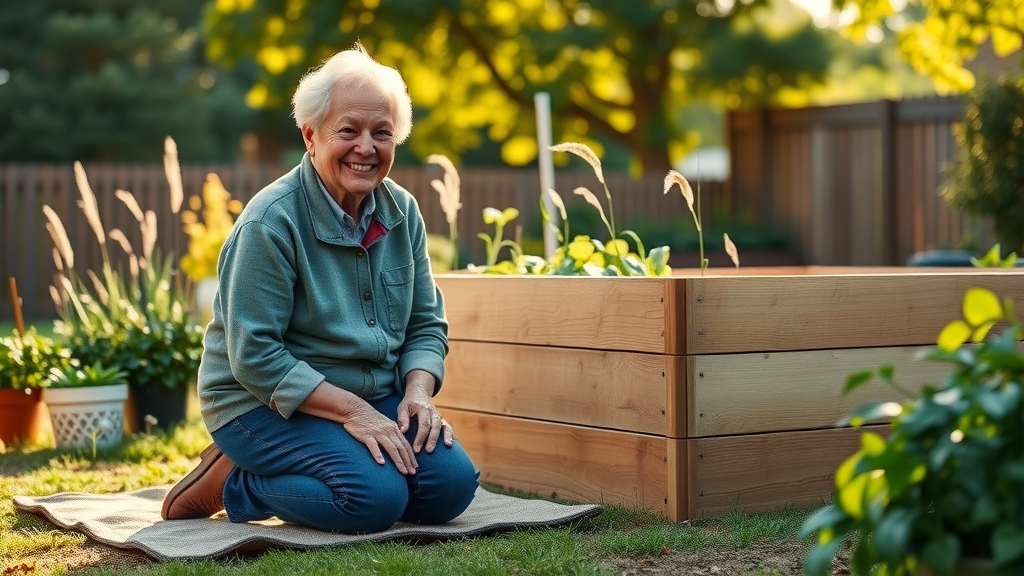
Most raised garden beds designed for seniors measure between 24 and 36 inches in height. This range allows both standing and seated users—including wheelchair gardeners—to tend their beds comfortably. Beds at this height eliminate most bending and heavy lifting, transforming the gardening experience for those with sore backs, hips, or knees.
What Vegetables Should Not Be Grown in a Raised Bed?
Avoid oversized or sprawling crops such as corn, pumpkins, and large melons, which can outgrow the space, overshadow other vegetables, and make maintenance difficult in a raised bed garden . Focus on compact crops that won’t require trellising or sprawling out into walkways.
What is the Best Vegetable to Grow in a Raised Bed?
Leafy greens—such as lettuce, spinach, and kale—are some of the best vegetables for raised beds due to their shallow root systems, quick harvest times, and continuous yield. Compact fruits like cherry tomatoes and bush beans are also favorites among elderly gardeners using garden beds for seniors.
What Do You Put in the Bottom of a Raised Vegetable Bed?
To ensure excellent drainage and root health, start with a layer of coarse organic material (like twigs, straw, or wood chips), followed by several inches of quality soil mix. Never use impermeable materials that block water flow, as this defeats the purpose of having drainage holes in the bed.
Frequently Asked Questions About Raised Vegetable Boxes for Seniors
Are There Portable Raised Garden Beds for Seniors?

Yes! Portable raised planter boxes are available, featuring wheels for mobility and adjustable height options. These mobile beds are ideal for homes or senior centers where space may need to be reconfigured, inside or outdoors, throughout the year.
How Much Soil is Needed for a Raised Vegetable Box for Seniors?
The volume depends on the box’s dimensions. For a standard 2 x 4-foot box, 12 inches deep, you’ll need about 8 cubic feet of soil. For taller beds (24-36 inches), fill the bottom with coarse materials (like wood chips) and save quality soil for the top 12-18 inches where vegetables root. This technique reduces material costs and helps with drainage.
Can Wheelchairs Fit Beside Raised Vegetable Boxes for Seniors?
Absolutely. Raised beds should have at least 24-36 inches of clearance on all sides to accommodate wheelchairs or walkers. Selecting beds with open undersides allows wheelchair users to access the garden bed from every angle, making gardening truly inclusive.
Do Raised Beds Reduce Pests and Weeds for Elderly Gardeners?
Yes, raised beds naturally deter some animals and reduce weed incursion. The elevated design limits burrowing pests and simplifies the task of removing weeds. With proper mulching and routine inspection, most common garden annoyances are minimized in raised vegetable boxes for seniors.
Highlights and Takeaways for Garden Beds for Seniors
-
Quick Recap: Why Raised Vegetable Boxes for Seniors Are the Best Choice
-
Transform gardening into an accessible, enjoyable experience for all ability levels
-
Customizable design for wheelchair and walker compatibility
-
Reduce risk of injury and strain; promote safe, independent activity
-
Encourage active living and social engagement at home or in senior centers
-
Grow a wide variety of delicious vegetables and herbs with minimal maintenance
-
Year-round gardening with improved pest, weed, and drainage management
-
Empower Gardening Independence: Start with Raised Vegetable Boxes for Seniors Today
The journey to an active, rewarding garden begins with the right design. If you’re ready to start or revitalize a raised bed garden at home or your local senior community, use the tips above to choose comfortable, durable, and accessible raised vegetable boxes for seniors. Embrace freedom, health, and joy—get growing today!
Vegetable Garden Boxes Related Articles