


"Did you know that nearly 80% of gardeners experience a higher success rate when planting seeds properly versus transplanting? Unlock the secret to thriving plants by understanding the essentials of planting seeds from scratch."
**Are you ready to transform your gardening results?** Even seasoned growers are often surprised at how some simple, science-backed tips for planting seeds can dramatically boost their success rates. Whether you dream of a lush vegetable patch or vibrant window boxes, this comprehensive guide equips you with the know-how to start seeds, grow from seed, and nurture strong, resilient plants right from the beginning. Let’s unravel the art and science behind growing plants from seed—the natural way to a thriving, cost-effective, and truly rewarding garden.
-
Why starting seeds is a game changer for gardeners
-
The best methods and materials for starting seeds indoors
-
How to read and decode seed packets for successful sowing
-
Step-by-step instructions for growing from seed to mature plant
-
Expert answers to common seed-starting questions
Unlock Your Gardening Potential: Why Planting Seeds Matters for Every Grower
The journey of planting seeds isn’t just about saving money or choosing rare varieties—it’s about taking control of your garden’s success from the start. Whether you are a first-time grower or a seasoned horticulturist, starting seeds gives you direct influence over plant health and selection. By choosing your seed packets wisely and creating the right environment, you can ensure your seedlings grow up strong, adapting precisely to your local soil and climate.
Choosing to start seeds means less dependence on commercial garden centers for transplants and more say in the varieties that fill your beds. Want a tomato that thrives in your microclimate, or a flower with a unique bloom color? When you grow from seed, the possibilities are nearly endless. Plus, nurturing plants from seed enhances your gardening knowledge, as you gain firsthand experience with how seeds germinate, seedlings grow, and mature plants flourish. This direct engagement nurtures both your soil and your skills, setting you apart as a truly capable, confident gardener.
The Surprising Benefits of Starting Seeds and Growing Plants From Seed
-
Direct control over plant variety and health
-
Cost-effectiveness compared to purchasing seedlings
-
Improved adaptability of plants grown from seed
Essential Prep: How to Start Seeds Indoors and What You'll Need
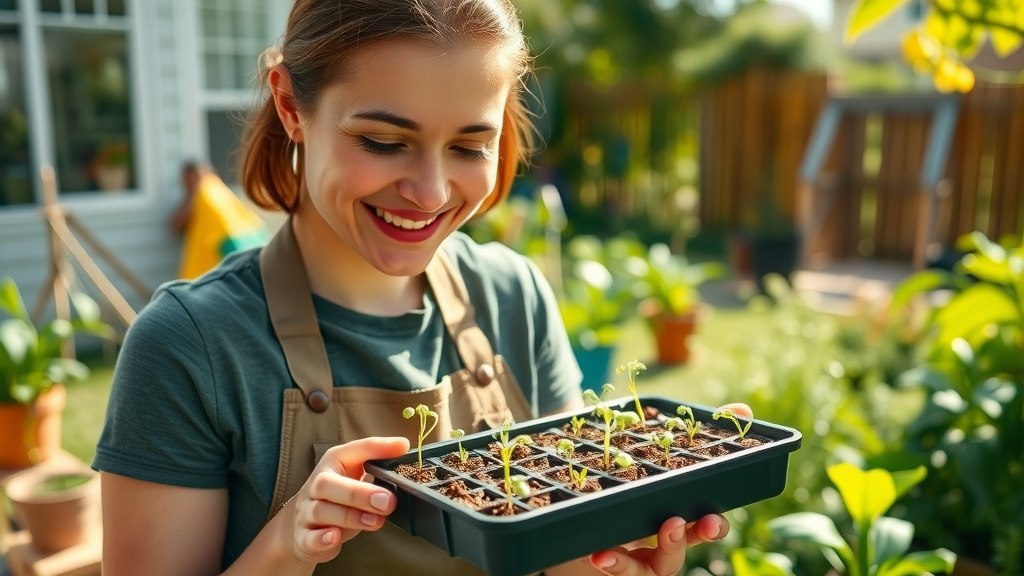
Starting seeds indoors marks the true beginning of the gardening season, giving you a head start before outdoor conditions are ideal. To maximize your germination rate and success, gathering the right materials is essential. **Begin by selecting quality seed packets** for your chosen varieties. Fresh, high-quality seeds offer the best results; always check the seed packet date for viability.
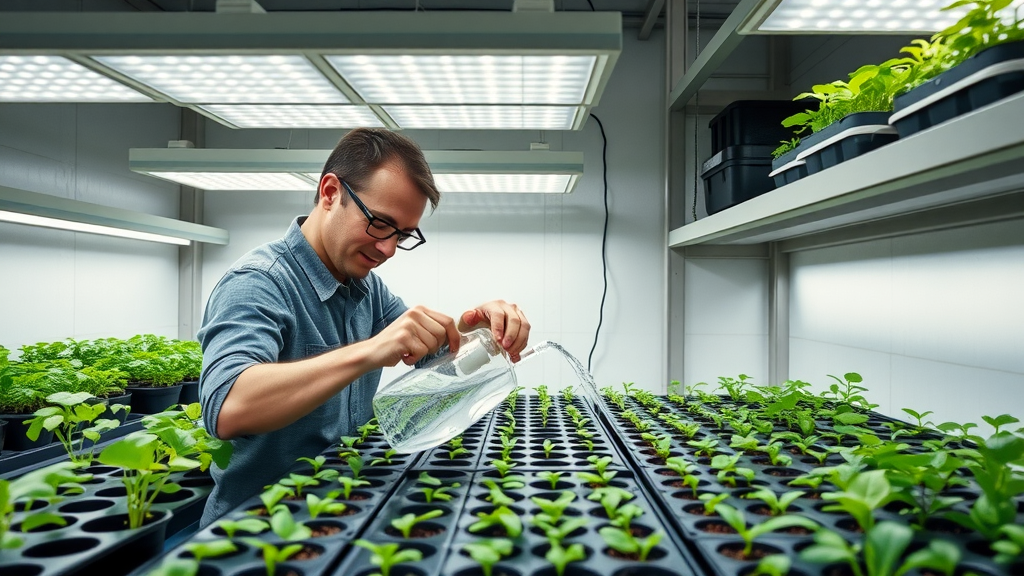
Next, choose a lightweight, sterile potting mix—often labeled as “seed starting mix”—to fill your pots or trays. This ensures excellent moisture retention and minimizes disease. You’ll also need containers: while commercial seed trays are popular, upcycled items like paper pots or egg cartons can work for small-scale plantings. Reliable watering (preferably with a gentle spray bottle) keeps your germinating seeds evenly moist without disturbance, and a clear plastic dome or wrap can help maintain humidity for optimal seed germination.
-
Seed packets selection: choosing quality seeds
-
Soil and containers optimized for starting seeds
-
Lighting and temperature controls
-
Reliable watering techniques
Successful indoor seed starting requires consistent warmth (often 65-75°F) and, importantly, strong light. If your home lacks bright sunlight, invest in full-spectrum grow lights and place them just above your seed trays, adjusting as your seedlings grow. Remember, prevention of overwatering and damping-off disease relies on good air circulation, so arrange your starting setup with space between trays. Start seeds with intention and your efforts will soon be rewarded with healthy young plants, ready for outdoor planting.
|
|
|
Comparison Table: Starting Seeds Indoors vs. Outdoors |
|
Factor |
Indoors |
Outdoors |
|---|---|---|
|
Germination Rate |
High (controlled) |
Variable (weather-dependent) |
|
Environmental Control |
Precise |
Limited |
|
Time to Transplant |
Earlier Possible |
Depends on climate |
|
Common Challenges |
Lighting, damping-off disease |
Weather, pests, inconsistent moisture |
Step-by-Step Process: How to Grow From Seed for Thriving Plants
Achieving strong, healthy plants from seed is simple when you follow a clear set of steps. Begin by reading your seed packet thoroughly—it contains key information like sowing depth, recommended timing, and spacing. Fill your chosen seed trays or pots with a fresh, moist seed starting mix, and level the surface. Gently press seeds into the soil at the specified depth; some small seeds simply require light pressing into the surface, while large seeds often need a deeper planting.
-
Read the seed packet for sowing depth and timing
-
Fill containers with appropriate seed-starting mix
-
Moisten the soil evenly before planting seeds
-
Plant seeds at recommended depth and spacing
-
Maintain warmth and moisture for seeds to germinate
-
Monitor for signs of germination
-
Thin or transplant seedlings as they grow
After sowing, lightly cover the seeds if required—check the seed packet to confirm if your variety needs light for germination or prefers darkness. Place containers in a consistently warm spot, using grow lights or a sunny windowsill as appropriate. Keep the soil evenly moist but not saturated, using a spray bottle or gentle watering can. As soon as your seedlings grow their first true leaves, thin them out to prevent overcrowding, ensuring each plant can develop a strong root system. This careful attention is the difference between struggling and thriving plants from seed.
Demystifying the Seed Packet: How to Interpret Instructions for Planting Seeds
Every successful gardener knows the value of reading and truly understanding the seed packet. It’s your roadmap to healthy seedlings, detailing everything from ideal sowing times to specific lighting needs. Look for symbols and key instructions that indicate whether to “cover the seeds” deeply or sow at the surface, and the number of days for seeds to germinate—which guides your expectations on when seedlings should emerge.
Seed Packet Symbols and Key Germination Information
-
Understanding sow depth, spacing, and lighting needs
-
Germination days listed for planning
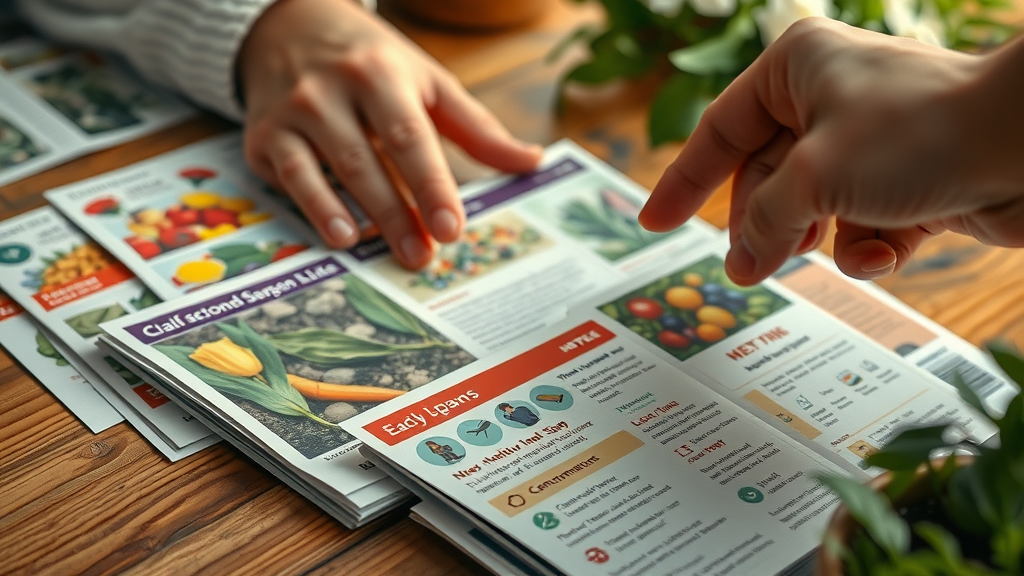
The seed packet is also a handy reference for when and how to “sow in individual pots” or directly in rows, depending on species and seed size. Don’t overlook sections on special requirements—some seeds must be soaked, chilled, or scarified to start seeds successfully. Take a moment to check the seed packet before planting seeds and you’ll minimize common errors and frustration.
Troubleshooting: When Seeds Won’t Germinate or Grow
Even experienced gardeners occasionally struggle when seeds fail to germinate or seedlings appear weak. The first step is to review your growing conditions: was the seed starting mix too wet or too dry? Did you check the seed packet for correct planting depth and temperature? Overwatering often suffocates seeds, while under-watering leads to dried out, nonviable germinating seeds. Ensuring proper ventilation and a clean sowing setup can help prevent mold and disease.
Common Mistakes When Starting Seeds Indoors
-
Overwatering or underwatering seeds
-
Poor soil quality
-
Inadequate light or fluctuating temperatures
Using poor soil or garden soil with chunks and pathogens limits oxygen and reduces your germination rate. Always start seeds with sterile, fine potting mix. Poor lighting is another frequent issue—seedlings that don’t “require light” for germination still need strong light immediately after sprouting, or else they will become leggy and weak. Keep an eye on temperature swings, especially near drafty windows or under inconsistent grow lights. Troubleshooting with a checklist of these common mistakes turns setbacks into learning opportunities—an essential step in growing healthy plants from seed.
"Seeds are nature’s blueprint for life; with careful planting, every tiny seed can transform into a mighty plant."
Timing Is Everything: Knowing When to Start Seeds and Plant Seeds Indoors
Timing your seed start is critical for strong, healthy plants. Each variety has specific seasonal requirements, which is why it’s essential to match your planting schedule to your local climate. For many regions, starting seeds indoors allows you to “jump start” the growing season, ensuring that heat-loving plants like tomatoes or peppers are mature in time for harvest. Always check the seed packet for the ideal sowing window—usually listed as a certain number of weeks before your last expected frost.
Seasonal Considerations: Matching Planting Schedules to Your Local Climate
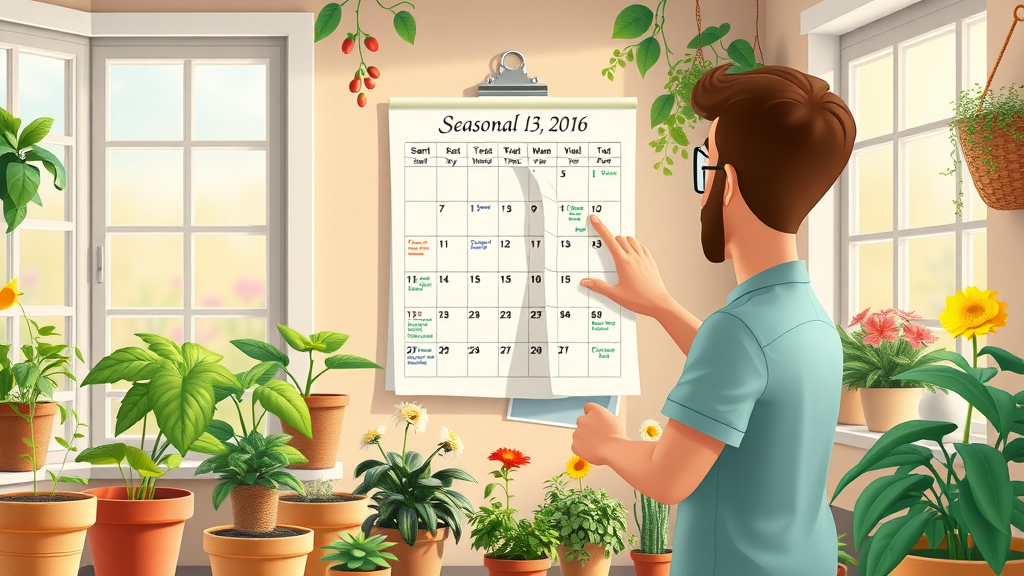
Gardeners in colder climates must pay extra attention to indoor start dates, adjusting their schedule to avoid planting seedlings outdoors before the soil has warmed. Conversely, those in milder regions might start seeds outdoors earlier or stagger plantings for continuous harvests. By keeping a gardening calendar and updating start dates based on current weather patterns, you ensure that your plants are never set back by late frosts or seasonal surprises. Remember, successful seed starting is always about working with—not against—Mother Nature.
|
|
|
Quick Reference: Common Vegetable and Flower Seed Starting Dates (Regionally Adjusted) |
|
Plant Type |
Suggested Start Indoors |
Days to Transplant |
|---|---|---|
|
Tomatoes |
6–8 weeks before last frost |
After last frost |
|
Peppers |
8–10 weeks before last frost |
1–2 weeks after last frost |
|
Marigolds |
6–8 weeks before last frost |
After risk of frost |
|
Basil |
6–8 weeks before last frost |
After last frost |
|
Zinnias |
4–6 weeks before last frost |
After last frost |
Maximizing Seedling Health: Caring for Young Plants From Seed
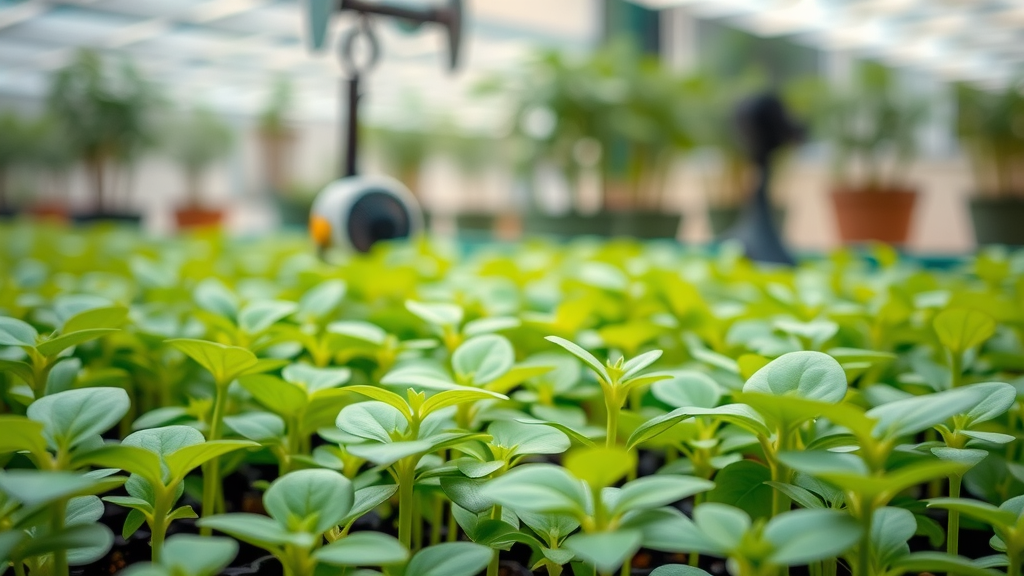
After seeds germinate, young seedlings are particularly vulnerable to disease and shock. Providing proper airflow is crucial—a small fan or regular gentle movement prevents problems like damping-off disease. Once seedlings develop several leaves, introduce gradual exposure to outdoor conditions, a process called “hardening off plants,” to build resilience before transplanting.
-
Proper airflow to prevent disease
-
Gradual hardening off before moving outdoors
-
Feeding seedlings with balanced nutrients
Feed your seedlings with a mild, balanced fertilizer from the time they develop true leaves, but avoid overfeeding, which burns delicate roots. Remember to monitor watering more closely as the seedlings grow—their needs will increase, and consistency prevents stress. If you used seed trays or sowed in individual pots, check their root development before the final move. Healthy, strong seedlings are the secret to a flourishing garden, and caring for plants from seed maximizes adaptability for your unique conditions.
Advanced Tips to Start Seeds Like a Pro
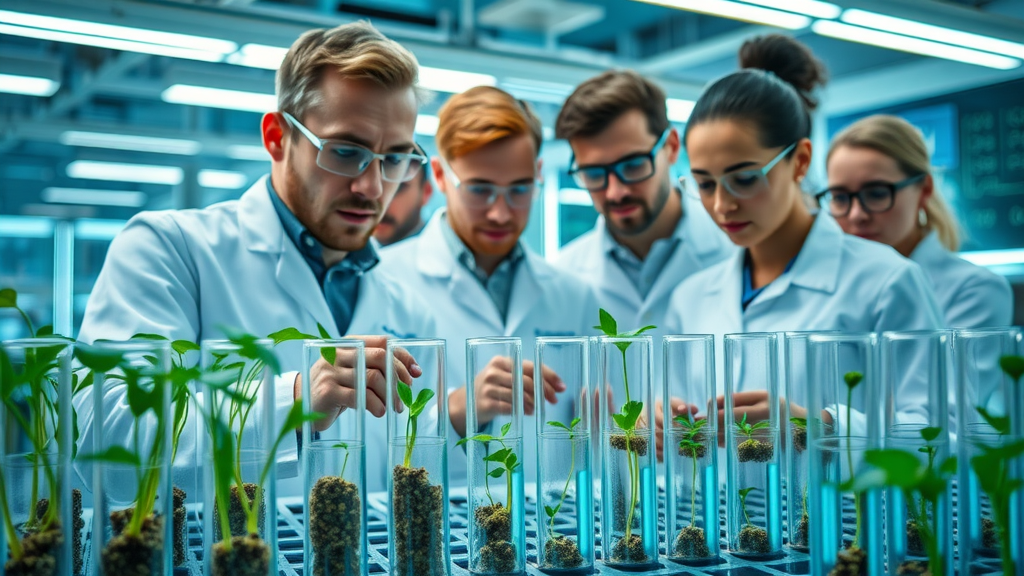
Elevate your seed starting game with proven, science-backed techniques. **Soaking large seeds** like beans or peas overnight can speed up germination—just check the seed packet first, as not all species require this step. Strategic use of grow lights ensures every batch receives adequate, uniform lighting, preventing spindly growth. Keep detailed records by labeling every tray or pot with plant varieties and sowing dates, so you don’t lose track of what you’re growing.
-
Soaking seeds to speed up germination (when and why)
-
Utilizing grow lights for optimal development
-
Labeling and tracking varieties for organized seed starting
Seed Germination Myths and Facts Based on Science
There are plenty of old wives’ tales about seed germination. Contrary to popular belief, not all seeds require light to sprout—always check the seed packet for the specifics. Some myths, like “deeper is always better,” can actually inhibit growth; most seeds need only a depth about twice their own size. Science tells us consistent temperature and moisture are the true keys. Avoid common errors and stick to proven practices for the highest germination rate and stronger plants grown from seed.
Your People Also Ask Questions, Answered
How do you plant seeds for beginners?
Start with a seed starting mix and clean seed trays or pots. Moisturize the soil, then plant seeds according to the seed packet’s specified depth. Cover the seed lightly if directed, place in a warm, bright area or under grow lights, and keep moist but not wet. Most importantly, don’t rush—give your seeds the temperature, time, and care they need to germinate and grow into healthy seedlings.
What is the rule for planting seeds?
The general rule is to plant seeds at a depth about twice their diameter, unless the seed packet specifies otherwise. Some seeds require light to germinate, so they should barely be covered with soil. Always consult your seed packet before planting seeds to ensure you meet the specific requirements of your chosen variety.
What seeds should not be planted together?
Certain plants can stunt the growth of others due to competition for nutrients or allelopathic effects. For example, avoid planting beans with onions or garlic, and don’t sow fennel near most vegetables as it inhibits their growth. A quick check online or with a seed packet for companion planting tips can help you decide which varieties thrive together when you start seeds.
Do I need to soak seeds before planting?
Soaking seeds before planting is often recommended for large seeds or those with hard coats (like peas or beans) to speed up germination. However, most fine or tiny seeds should not be soaked. Always check the seed packet, as specific recommendations vary by species.
Expert Answers to Common FAQs on Starting Seeds and Growing Plants From Seed
-
What soil is best for planting seeds? Use a sterile, lightweight seed starting mix—never heavy garden soil. This encourages fast root growth and prevents disease.
-
How much sunlight do new seedlings need? Most seedlings require 14–16 hours of bright light daily, either under grow lights or on a sunny windowsill, to prevent weak, leggy growth.
-
Should you fertilize seedlings, and if so, when? Fertilize only after seedlings develop their first true leaves, and use a diluted balanced fertilizer formulated for young plants.
-
How do you prevent damping-off disease? Good airflow, correct watering (never soggy soil), and starting seeds with a sterile medium will keep disease at bay.
-
When and how should you transplant seedlings? Transplant only when seedlings grow two or more sets of true leaves and roots hold the soil. Gently move the seedlings to larger pots or your outdoor beds, handling carefully by the leaves, not the delicate stems.
Wrap-Up: Achieve gardening success by mastering the art of planting seeds
-
Carefully read every seed packet
-
Embrace the learning curve—every gardener improves with practice
-
Reap the rewards of healthy, thriving plants from seed
-
Ready to begin? Experiment with a new variety this season!
Vegetable Garden Boxes Related Articles
- Avoid Plant Fungus During Summer – Stop Spread Fast!
- Avoid These Mistakes When Picking the Right Gardening Tools
- Choosing The Best Location For Your Garden
- Garden Pests? Here's the Fast Fix
- Herb Gardening Secrets for Fresh Flavors All Year!
- Master the Requisites of the Home Vegetable Garden Now!
- Master Vegetable Gardening: Grow Fresh Veggies Now!
- Raised Vegetable Boxes for Seniors: Easy Garden Solutions
- Starting Plants From Seeds?
- Struggling with Vegetable Garden Boxes? Easy fixes here!
- The Cultivation of Vegetables: Secrets to a Bountiful Harvest