


Master Vegetable Gardening: Grow Fresh Veggies Now!
Start Your Vegetable Gardening Journey: The Surprising Impact of Growing Your Own Food
-
Did you know that home vegetable gardening can yield up to 10 times more produce than the space it occupies? Discover how you can transform rooftops, balconies, or backyards into thriving vegetable gardens aligned with modern sustainability trends.
Why Vegetable Gardening Is More Relevant Than Ever
-
Explore the rise of vegetable gardening in urban and suburban homes, the health benefits of fresh produce, and how local vegetable gardens reduce your carbon footprint.
"Vegetable gardening is not just about growing food; it’s about cultivating health and community." — Urban Agronomist
Key Principles: The Basics of Vegetable Gardening for Beginners
-
Understanding soil preparation, sunlight requirements, efficient garden planning, watering needs, and crop selection are vital for a thriving vegetable garden.
Getting started with vegetable gardening means grasping the essentials. Every successful garden begins with soil—its type, fertility, and structure. Rich, well-draining soil enhanced with organic matter forms the foundation for healthy vegetable growth. Whether planting carrots, leafy greens, or a tomato plant, a good start is essential. Most vegetables prefer full sun, needing 6–8 hours of exposure to thrive and produce abundant yields.
Smart garden planning involves considering raised beds vs. traditional garden bed layouts , planning around each plant’s required hours of sun, and grouping crops by season and water needs. Regular watering—adapted to climate and soil—keeps growth steady while minimizing stress. Wisely chosen starter crops, such as spinach or radishes, simplify learning and provide tasty payoffs within weeks. Keep the garden accessible, manageable, and ready for enjoyment!
|
|
|
|
|
Basic Vegetable Gardening Checklist |
|
Soil Type |
Sunlight |
Watering Frequency |
Plant Spacing |
Best Starter Veggies |
|---|---|---|---|---|
|
Rich, loamy, with organic matter |
6–8 hours (full sun) |
1–3 times/week, as needed |
Depends on crop (refer to seed packet) |
Spinach, lettuce, radishes, swiss chard, beans |
Garden Planning: Design Your Vegetable Garden for Maximum Yield
Crafting a Smart Garden Plan: Raised Beds, Garden Beds & Layout Strategies
-
How to choose between raised beds, traditional plots, and container garden approaches for vegetable gardening.
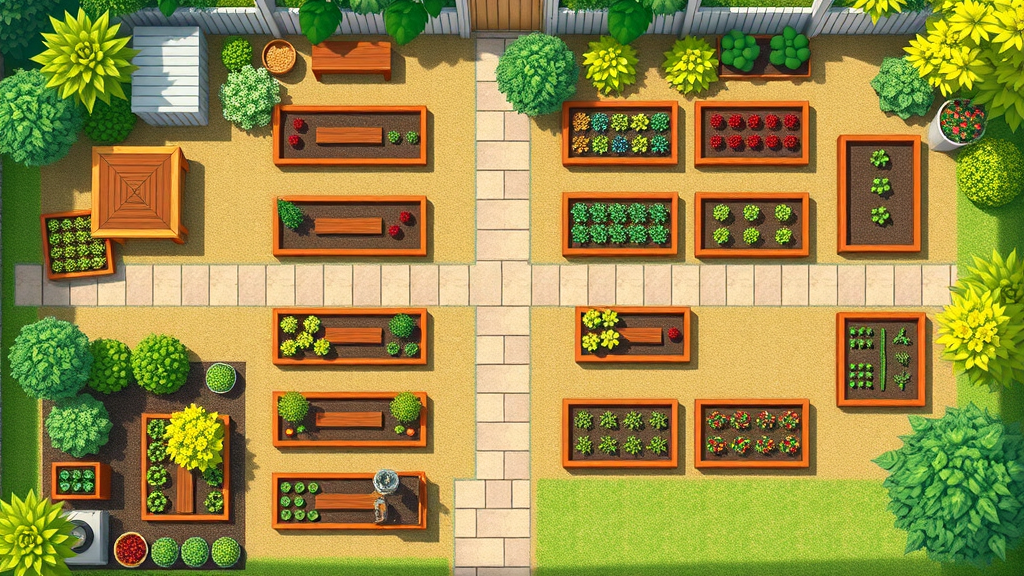
A well-executed garden plan maximizes both yield and enjoyment. Raised beds provide several advantages for vegetable gardening: improved drainage, controlled soil quality, and easier access for planting and harvesting. If space is limited, consider a container garden —herbs, lettuce, and even tomatoes thrive in pots, making the most of balconies or patios. Traditional plots allow for larger plantings but may require more soil preparation and space management.
Good layout strategies keep companion planting in mind, grouping crops like beans and carrots together for mutual benefit and efficient use of resources. Paths should be wide enough for easy movement without compacting soil. Whether using a garden bed , containers, or a mix, start small and expand as you master plant care and garden techniques. Remember, hours of sun and access to water drive garden productivity!
Essential Tools and Materials for Every Vegetable Gardener
-
List the core tools (spade, trowel, watering can) and sustainable materials for raised beds and container gardening.
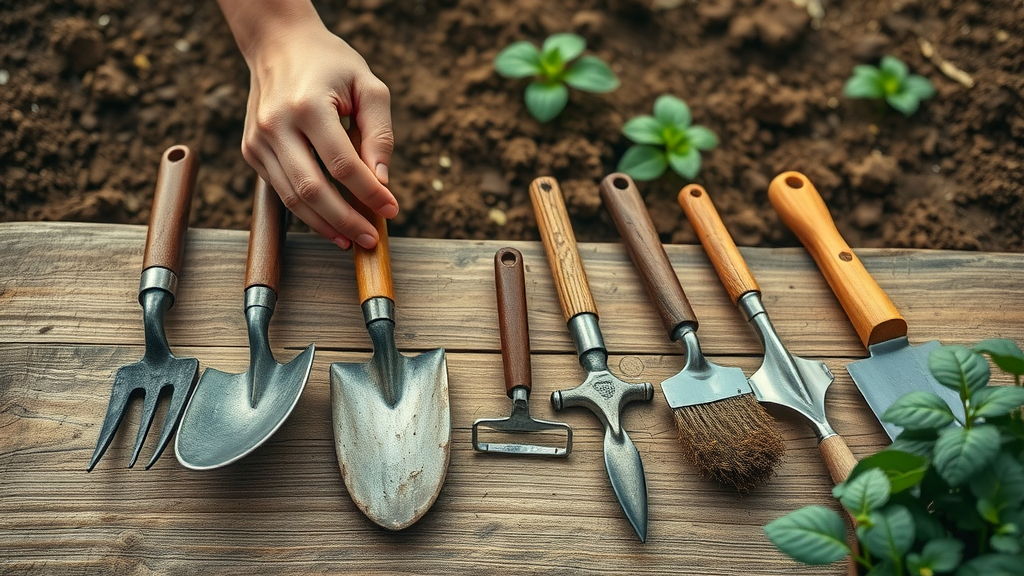
Every gardener needs a solid toolkit. At a minimum, invest in a quality spade for digging, a hand trowel for transplanting, a watering can or hose, and durable gloves. For raised beds, opt for untreated wood or recycled composite materials for long-lasting, eco-friendly construction. When container gardening, choose pots with good drainage and consider self-watering planters for busy schedules. Mulch, compost, and basic plant supports round out the supplies for all your vegetable gardening needs.
Sustainable choices make a difference. Local garden centers often stock rain barrels, compost bins, and peat-free soil mixes for the environmentally conscious. Create or purchase a simple trellis for climbing veggies like beans and cucumbers. Keep a notebook or app handy to track planting dates, rainfall, and garden successes—it’s a core part of any smart grow guide !
|
|
|
|
Sample Garden Plan |
|
Vegetable Type |
Bed Type |
Space Recommended |
Companion Plants |
|---|---|---|---|
|
Lettuce |
Raised Bed |
4–6 inches apart |
Radish, carrots |
|
Tomato Plant |
Container or Raised Bed |
18–24 inches apart |
Basil, marigold |
|
Swiss Chard |
Traditional Plot |
12 inches apart |
Onion, lettuce |
|
Beans |
Poles in Bed or Container |
4–6 inches apart |
Corn, cucumber |
Start a Vegetable Garden: Step-by-Step Vegetable Gardening Instructions
How to Prepare Your Garden Bed or Raised Beds for Vegetable Gardening
-
Soil testing, amending, double digging, and weed removal strategies for optimal vegetable gardening.
Preparing your garden bed is critical to successful vegetable gardening. Begin with a soil test—simple kits measure pH and nutrient levels, helping determine if amendments like compost or lime are needed. For raised beds, fill with a balanced mix of topsoil, compost, and other organic matter. Double digging (loosening two layers of soil) makes the beds deep and friable, letting roots spread easily. Weed thoroughly and add mulch to suppress regrowth and keep the plot tidy.
Wherever you start a vegetable garden, clear existing grass or weeds completely to give seedlings a strong start. For container gardens, use high-quality garden mixes with perlite for drainage. Water the bed thoroughly after prepping, letting the soil settle before planting. Mark rows based on your garden plan and consider installing simple row cover supports to protect young plants from pests and early frosts.
Planting Techniques for Vegetable Gardening: Sowing Seeds and Transplants
-
Tips for spacing, depth, and timing — aligned with your garden plan.
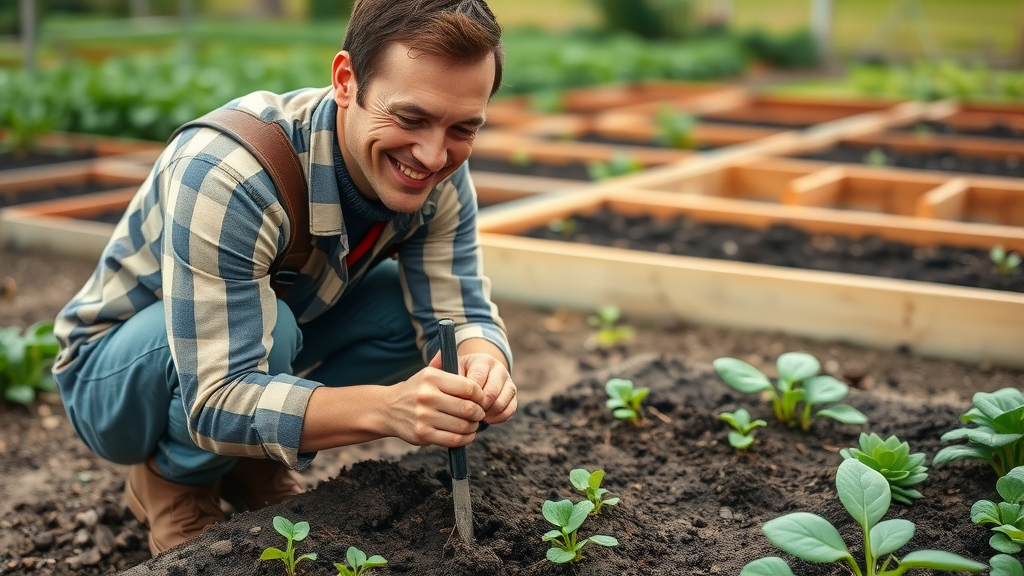
Whether you’re planting vegetables from seed or using transplants, careful attention to spacing and timing pays off. Always consult your seed packet or plant label for depth and recommended distance. Overcrowding increases vulnerability to pests and disease, while ample space allows for healthy growth. For most leafy greens and root crops, direct sowing in the garden bed is effective. Start heat-lovers like tomatoes or peppers indoors, transplanting after the last frost date for your area.
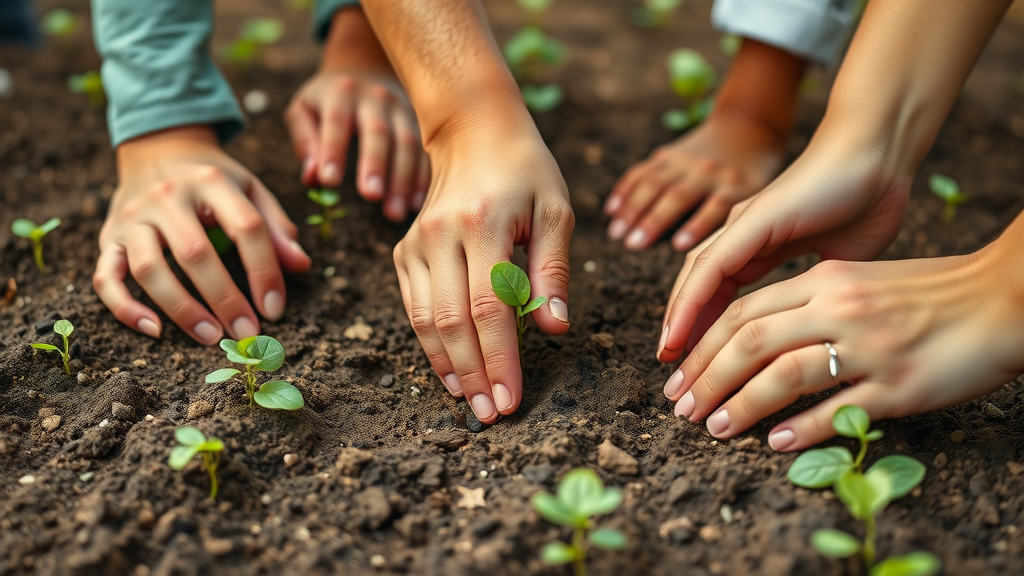
Stagger planting dates to extend your harvest, or try succession sowing—planting new seeds every few weeks. Early morning or late afternoon is the best time for transplanting to avoid heat stress. Water in seedlings gently but deeply, and keep the soil consistently moist until roots are established. Use a planting guide or grow guide from your local extension service to match crop timing with your region’s growing season.
Choosing Vegetables to Grow: Leafy Greens, Root Crops, and Beyond
Best Vegetables to Grow for Beginner Vegetable Gardening
-
Spinach, lettuce, swiss chard, radishes, carrots, tomatoes, beans — overview and benefits of each.
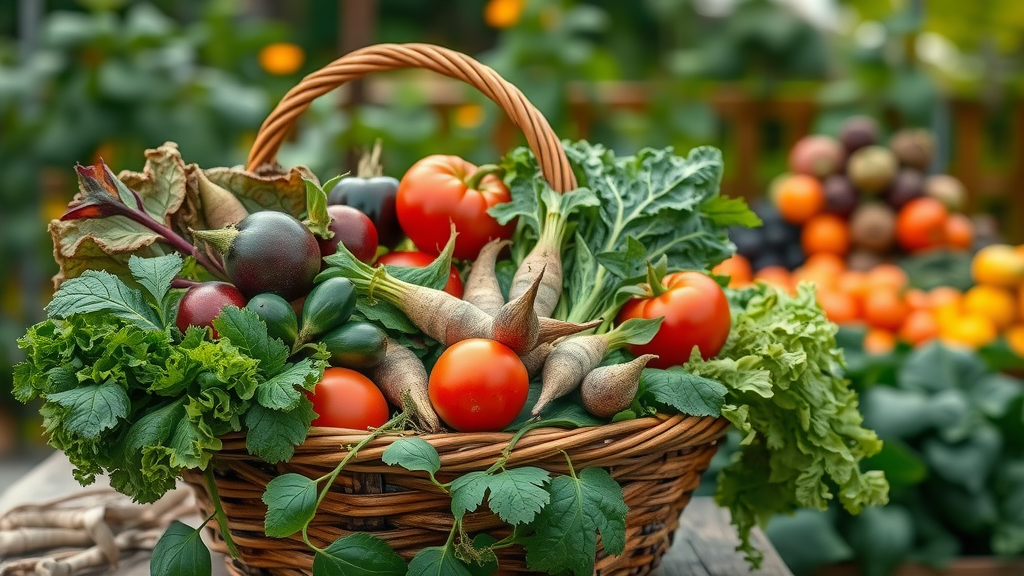
Choosing the right vegetables to grow is key for beginner success. Leafy greens like spinach, lettuce, and swiss chard are quick-growing, tolerate cool weather, and provide nutritious, easy-to-grow harvests. Root crops such as radishes and carrots flourish in loose soil, offering crisp, fresh flavor straight from the ground. Tomatoes—classic stars of any vegetable garden—appreciate a sunny garden bed or container, yielding bountiful fruit by midsummer.
Beans, particularly bush or pole varieties, are dependable, nitrogen-fixing crops that enrich the soil as they grow. For those eager to start small, lettuce and radishes deliver near-instant gratification, going from seed to salad bowl in just weeks. Swiss chard performs all season, resisting both heat and cool. By diversifying your garden plan with both fast and slow maturing vegetables, you keep meals exciting all year round.
When and Where to Plant for Optimal Vegetable Gardening Results
-
Cool-season vs. warm-season crops, crop rotation, companion planting explained.
Knowing your planting time is crucial for a productive vegetable garden. Cool-season crops—like lettuce, spinach, and peas—are planted in early spring or late summer, thriving in cooler weather before or after harsh heat. Warm-season favorites such as tomatoes, peppers, and squash wait until after the last frost date. Always check your region’s frost dates and use a planting calendar to time sowing perfectly for each crop.
Crop rotation maintains soil health and deters recurring pests and disease. Don’t plant the same family in the same spot year after year—rotate legumes, brassicas, and solanaceous crops to break pest cycles and boost yields. Effective companion planting reduces the need for chemicals: grow marigolds with tomatoes for pest resistance or interplant beans with corn for natural support and soil improvement. Plan your garden to maximize these natural partnerships!
Container Garden & Urban Vegetable Gardening for Small Spaces
Container Gardening: Thriving Vegetable Gardening in Pots and Small Urban Areas
-
Choosing containers, suitable vegetables, soil mixes, and watering tips for efficient container gardening solutions.
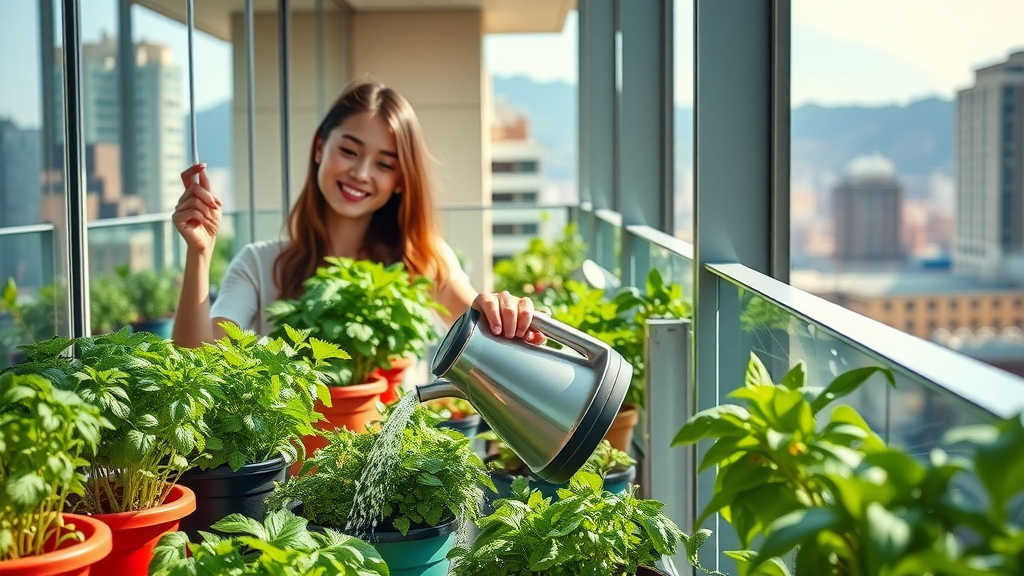
Not everyone has a huge backyard—but with container gardening, fresh veggies are still within reach. Select pots at least 10–12 inches deep with drainage holes, and use a lightweight potting mix rich in compost for nourishing your plants. Leafy greens , radishes, bush beans, cherry tomatoes, and herbs thrive in containers, growing well on balconies, rooftops, or sunny windowsills. Self-watering planters or drip irrigation systems make care even easier.
Place containers where they receive at least 6 hours of sun. Water more frequently than in ground beds, as pots dry out faster—especially in the heat of summer. For maximum harvest, combine vertical supports with staggered planting dates, so you’re always enjoying fresh produce. Think outside the box: hanging baskets, upcycled buckets, and window boxes all contribute to urban vegetable gardening success.
Creative Raised Beds and Vertical Gardening Techniques
-
DIY vertical gardens, stacking pots, and other innovations for maximizing yields in limited spaces.
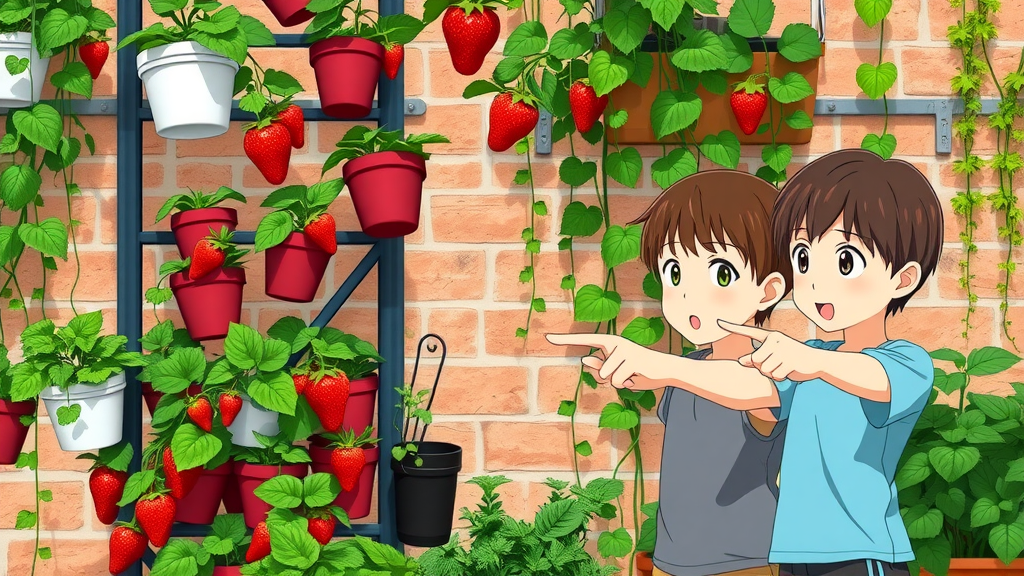
Limited space? Vertical gardening turns every square foot into a growing powerhouse. Stackable planters, trellises, wall-mounted pockets, and even repurposed shelves allow you to plant upward, perfect for tight patios or urban apartments. Strawberries, beans, peas, and leafy greens adapt especially well to vertical setups—offering high yield in a small footprint.
DIY raised beds made from reclaimed wood or modular kits fit snugly on rooftops and patios. These raised beds warm up faster in spring, extending your growing season and boosting yields. Remember: with each level, check that soil depth and water can reach all levels. With a bit of creativity, every wall, fence, or sunny corner becomes an edible oasis, following the latest trends in modern vegetable gardening .
"Every windowsill or balcony can host a lush edible oasis with the right setup." — Urban Gardening Specialist
Maintaining Your Vegetable Garden: Watering, Mulching, and Pest Management
Pests and Disease Control for Superior Vegetable Gardening
-
Organic pest control, barriers, companion plant strategies, and early disease detection signs.
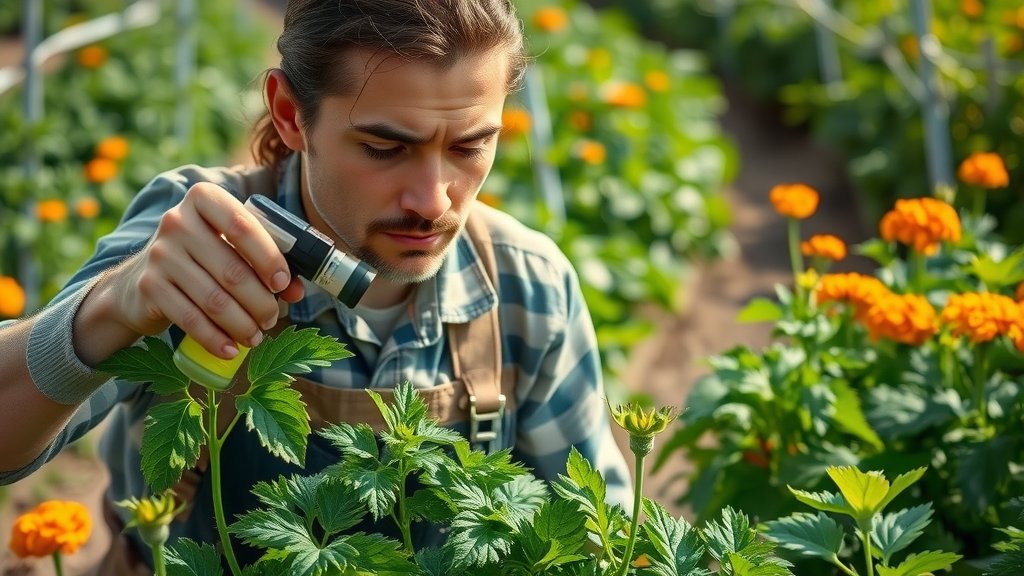
Shielding your vegetable garden from pests and disease is ongoing. Natural prevention starts with healthy soil and crop diversity. Use row cover for seedlings, mulch to deter insects, and attract beneficial insects with flowers like marigolds or nasturtium. Pick off pests by hand, use insecticidal soaps, or introduce predators such as ladybugs for eco-friendly defense. Early detection is essential: remove diseased leaves immediately and rotate crops to combat recurring problems.
Good garden plan strategies limit chemical use and create a thriving ecosystem. Interplant strong-scented herbs with vulnerable crops, place trap crops at plot edges, and keep the garden tidy to minimize hiding places for insects. Persistent issues? Consult your local extension or garden center for organic remedies tailored to common regional pests and diseases in vegetable gardening.
Mulching and Water Conservation Best Practices
-
How mulching supports soil health, retains moisture, and suppresses weeds for any vegetable garden.
Mulching is a must for thriving vegetable gardens. Spread organic mulch—such as straw, shredded leaves, or bark—around plants to retain moisture, suppress weeds, and regulate soil temperature. Especially in raised beds and container gardens, this makes watering more efficient and roots healthier. A thick mulch layer reduces evaporation, meaning less frequent watering and fewer problems during heatwaves or dry spells.
Water deeply but less often, aiming for the root zone rather than a brief surface soak. Early morning watering curbs disease and minimizes evaporation loss. Use soaker hoses, drip irrigation, or self-watering containers for even moisture—a win for plant health and the environment. Regularly check soil by feel; if the top inch is dry, it’s time to water. These conservation-minded habits boost productivity while fitting the ethos of modern vegetable gardening .
Harvesting and Succession Planting in Your Vegetable Garden
Knowing When and How to Harvest for Prime Flavor
-
Signs of ripeness for top vegetables, technique for picking, and post-harvest storage tips.
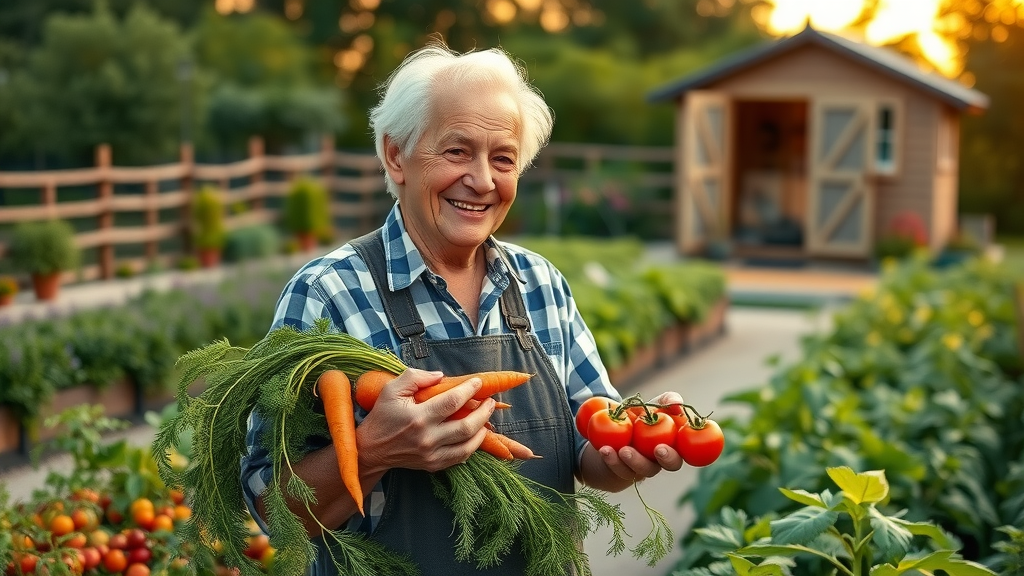
The reward for your vegetable gardening effort is a flavorful, abundant harvest. For best taste, pick leafy greens and herbs in the cool of early morning. Root crops like carrots and radishes are ready when tops push above the soil line and roots reach desired size. Tomatoes should be fully colored and yield gently to the touch. Always use clean hands or tools when harvesting to minimize wounds and future disease.
Proper post-harvest handling keeps veggies crisp and nutritious. Wash produce gently, dry thoroughly, and store appropriately: greens go in the fridge, tomatoes on the counter. Frequent small harvests encourage further production, especially for cut-and-come-again crops like lettuce and swiss chard. Labeling harvest dates and tracking yield in your grow guide makes next season’s gardening even more successful.
Succession Planting and Year-Round Vegetable Gardening
-
How to keep your garden productive and enjoy fresh produce in all seasons.
Succession planting is your key to non-stop harvests and a year-round supply of fresh vegetables. In early spring, sow quick-maturing crops such as radishes or lettuce. As these finish, replant beds with beans or fall greens. For mild climates, use row covers, cold frames, or even small greenhouses to extend the growing season and protect against frost. Each new planting keeps the garden producing while maintaining soil health.
Record planting dates in your gardening journal and experiment with intercropping: tucking smaller crops between slower-growing ones. This practice maximizes garden beds and containers, providing a diverse, resilient ecosystem. With planning, your vegetable garden can provide bounty from spring’s first shoots to winter’s hardy greens, with each season offering its own delights.
Innovative Vegetable Gardening Tips for Every Season
-
Seasonal checklists, crop covers, winter gardening tips, and extending your growing season with cold frames and greenhouses.
Embrace each season with a strategic garden plan. In spring, prep beds early and sow cool-loving crops before heat spikes. Summer calls for consistent watering, pest checks, and shade creation where needed. Fall is perfect for planting overwintering onions, garlic, and leafy greens under crop covers. Even in winter, cold frames and greenhouses let you enjoy salad greens when grocery stores offer little local produce. Monitor weather, adapt techniques, and use a grow guide for ongoing success, regardless of the calendar.
Checklists keep you organized: mark seasonal planting times, schedule soil amendments, and note harvest periods. Regular attention helps maintain soil vitality, supports rotating crops, and ensures year-round vegetable garden productivity. Continuous learning, experimenting with new crops, and sharing tips with your gardening community make every year better than the last!
Resource Table: Top Vegetable Gardening Resources & Tools
|
|
|
Top Vegetable Gardening Resources & Tools |
|
Resource |
Description |
Website/Provider |
|---|---|---|
|
Local Extension Office |
Region-specific grow guides, planting calendars, and pest management advice |
University/State Extension Service |
|
Seed Companies |
High-quality seeds, planting guides, and planning tools |
Baker Creek Heirloom, Burpee |
|
Online Garden Journals & Apps |
Track planting dates, yield, and garden performance digitally |
Planter, Gardenize |
|
Garden Center |
Tools, soil, compost, plants, and expert advice |
Local Stores |
People Also Ask: Vegetable Gardening Frequently Answered
What are the basics of vegetable gardening?
-
Basics include selecting the right site with ample sunlight, preparing nutrient-rich soil, choosing easy-to-grow crops, regular watering, mulching, and practicing natural pest and disease control for a thriving vegetable garden.
What is the meaning of vegetable garden?
-
A vegetable garden refers to a plot or arrangement for growing edible plants, generally for household use, encompassing everything from raised beds to container gardens and traditional rows.
How to make a vegetable garden?
-
Begin by selecting a sunny location, planning your layout (raised beds, containers, or open ground), preparing the soil, selecting vegetables to grow, and following planting and maintenance best practices.
What is the best month to start a vegetable garden?
-
Early spring is generally ideal for most regions to start a vegetable garden, but specifics depend on local climate and the types of vegetables — check your area's last frost date and plant accordingly.
Essential Vegetable Gardening FAQs
-
What vegetables are easiest for beginners? When should I water my vegetable garden? How do I prevent pests in a vegetable garden? How do I rotate crops for soil health?
Recap & Motivation: Start Your Vegetable Garden Today
-
Summarize key steps to successful vegetable gardening and motivate readers to put theory into practice for a healthier, sustainable lifestyle.
Ready to dig in? Harness your garden plan, select easy-to-grow vegetables, and enjoy the rewards of fresh, homegrown produce—start your vegetable garden journey for a greener, healthier lifestyle today!
Vegetable Garden Boxes Related Articles
- Avoid Plant Fungus During Summer – Stop Spread Fast!
- Avoid These Mistakes When Picking the Right Gardening Tools
- Choosing The Best Location For Your Garden
- Garden Pests? Here's the Fast Fix
- Herb Gardening Secrets for Fresh Flavors All Year!
- Master the Requisites of the Home Vegetable Garden Now!
- Master Vegetable Gardening: Grow Fresh Veggies Now!
- Raised Vegetable Boxes for Seniors: Easy Garden Solutions
- Starting Plants From Seeds?
- Struggling with Vegetable Garden Boxes? Easy fixes here!
- The Cultivation of Vegetables: Secrets to a Bountiful Harvest
The Cultivation of Vegetables: Secrets to a Bountiful Harvest
 It's amazing that just one square meter of a well-maintained vegetable garden can yield over four kilograms of fresh produce each season. The cultivation of vegetables is more than a hobby; it’s a science-backed journey that rewards patience and knowledge with overflowing baskets of nutritious crops. Whether you are a beginner with a tiny backyard or an ambitious grower with visions of a bustling vegetable farm, this comprehensive guide will reveal how to unlock the full potential of your land and cultivate vegetables for a sustained, impressive harvest.
Unlocking the Potential: Surprising Facts About the Cultivation of Vegetables
-
A single square meter of vegetable garden can produce over 4kg of fresh produce each season.
-
Commercial vegetable farming accounts for nearly 70% of the world’s non-grain food supply.
The impact of the cultivation of vegetables reaches far beyond personal enjoyment. Growing vegetables creates a direct link to food security, community wellness, and even global nutrition. With proper planning and practices, urban and rural gardens alike can supply large quantities of food, turning underutilized land into thriving oases. Whether you start a vegetable garden at home or aspire to join the ranks of professional vegetable growers, understanding these statistics will motivate you to maximize your yields through every stage of the process.
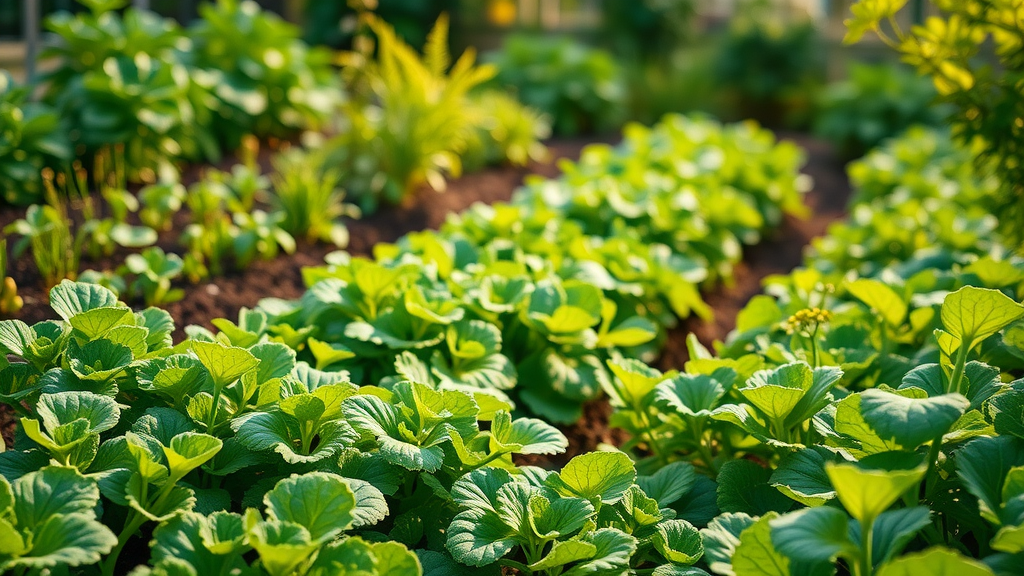
What You'll Gain from Mastering the Cultivation of Vegetables
-
Step-by-step strategies for vegetable gardening success
-
Proven methods utilized by top vegetable farms and home gardens
-
Expert tips for maximizing vegetable production and yields
By exploring the proven secrets of the cultivation of vegetables , you’ll learn not just how to grow vegetables, but how to create an efficient garden plan, maintain soil health for thriving crops, and handle every challenge from pests to post-harvest storage. Mastering these skills transforms your vegetable gardening experience, leading to healthier plants, tastier harvests, and even new income opportunities through market gardening. If you've ever wanted to learn how vegetable growers produce abundant, healthy crops season after season, this is your ultimate resource.
Read more: The Cultivation of Vegetables: Secrets to a Bountiful Harvest
Starting Plants From Seeds?

"Did you know that nearly 80% of gardeners experience a higher success rate when planting seeds properly versus transplanting? Unlock the secret to thriving plants by understanding the essentials of planting seeds from scratch."
**Are you ready to transform your gardening results?** Even seasoned growers are often surprised at how some simple, science-backed tips for planting seeds can dramatically boost their success rates. Whether you dream of a lush vegetable patch or vibrant window boxes, this comprehensive guide equips you with the know-how to start seeds, grow from seed, and nurture strong, resilient plants right from the beginning. Let’s unravel the art and science behind growing plants from seed—the natural way to a thriving, cost-effective, and truly rewarding garden.
-
Why starting seeds is a game changer for gardeners
-
The best methods and materials for starting seeds indoors
-
How to read and decode seed packets for successful sowing
-
Step-by-step instructions for growing from seed to mature plant
-
Expert answers to common seed-starting questions
Unlock Your Gardening Potential: Why Planting Seeds Matters for Every Grower
The journey of planting seeds isn’t just about saving money or choosing rare varieties—it’s about taking control of your garden’s success from the start. Whether you are a first-time grower or a seasoned horticulturist, starting seeds gives you direct influence over plant health and selection. By choosing your seed packets wisely and creating the right environment, you can ensure your seedlings grow up strong, adapting precisely to your local soil and climate.
Choosing to start seeds means less dependence on commercial garden centers for transplants and more say in the varieties that fill your beds. Want a tomato that thrives in your microclimate, or a flower with a unique bloom color? When you grow from seed, the possibilities are nearly endless. Plus, nurturing plants from seed enhances your gardening knowledge, as you gain firsthand experience with how seeds germinate, seedlings grow, and mature plants flourish. This direct engagement nurtures both your soil and your skills, setting you apart as a truly capable, confident gardener.
The Surprising Benefits of Starting Seeds and Growing Plants From Seed
-
Direct control over plant variety and health
-
Cost-effectiveness compared to purchasing seedlings
-
Improved adaptability of plants grown from seed
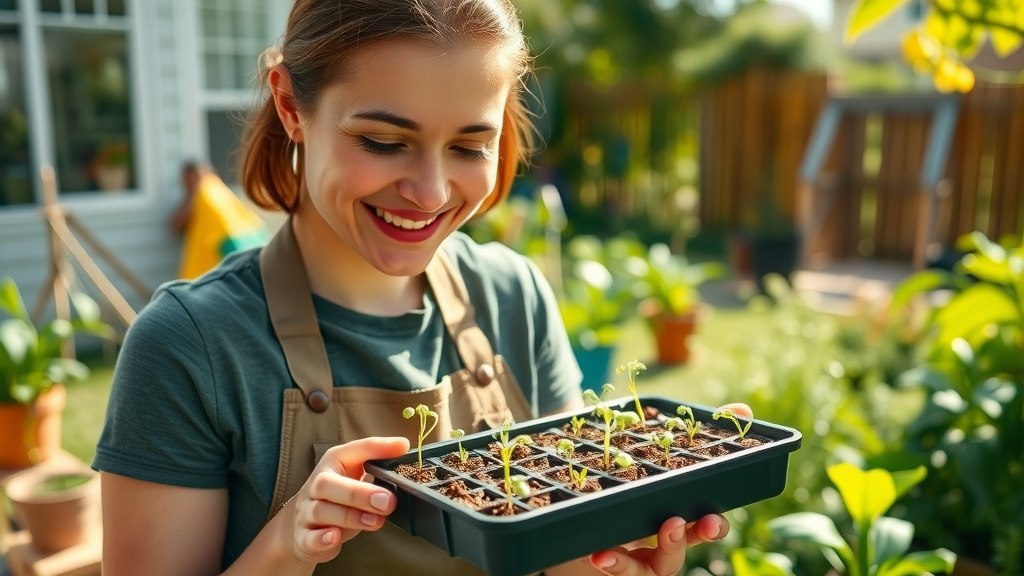
Essential Prep: How to Start Seeds Indoors and What You'll Need
Starting seeds indoors marks the true beginning of the gardening season, giving you a head start before outdoor conditions are ideal. To maximize your germination rate and success, gathering the right materials is essential. **Begin by selecting quality seed packets** for your chosen varieties. Fresh, high-quality seeds offer the best results; always check the seed packet date for viability.
Garden Pests? Here's the Fast Fix

Did you know that garden pests destroy up to 30% of global food crops each year? This startling fact highlights the hidden threat lurking in every vegetable garden—from backyard plots to commercial farms. If you’ve ever found holes in your lettuce, wilted tomatoes, or odd black spots on your bean leaves, you’re not alone! This article will arm you with fast, practical fixes for every garden pest problem—so you can save your vegetable garden , preserve your hard-earned harvests, and garden with more confidence than ever before.
What You'll Learn: You’ll uncover how to identify the worst offenders, use quick organic fixes, and set up your garden for pest-free success. Don’t let garden pests steal your fresh food—discover every trick in the book to outsmart them and have your best harvest yet!
Why Garden Pests Are the Hidden Threat Lurking in Every Vegetable Garden
Every gardener eventually faces the daunting reality: garden pests are the invisible saboteurs of the vegetable patch. Whether you tend a few tomato plants on your deck or manage rows of beans and squash, pests can show up in any climate and devastate crops overnight. From subtle leaf curling to outright plant destruction, the consequences go unnoticed until it’s too late. This problem isn't just about a few chewed leaves—it can mean a 30% loss or more worldwide, impacting food security and household budgets.
But there's good news. Understanding the threat allows you to act proactively, using a mix of easy, effective defenses. Every plant pest—from the smallest flea beetle to the larger stink bug—can be managed with fast, safe techniques. By regularly monitoring your vegetable garden and recognizing early signs like wilted vines or black spots, you can protect your yields before the damage becomes irreversible.
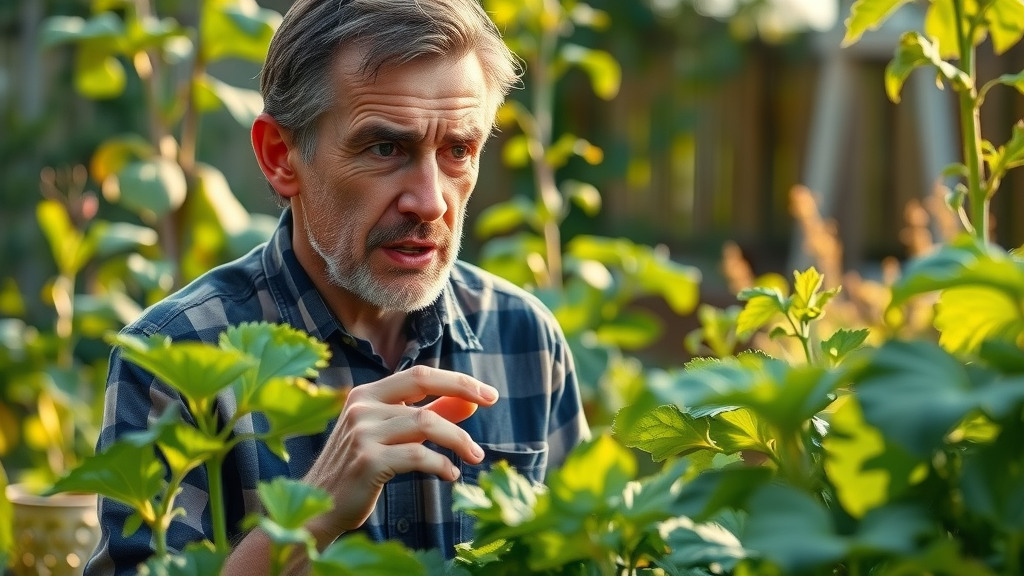
How to Identify Common Garden Pests in Your Vegetable Garden
Identifying the culprits is the first step to regaining control of your vegetable garden . Each type of garden pest leaves its own signature behind. Chewed, yellowing, or wilted leaves are warning signs that invite closer inspection. Most destructive insects—like the dreaded squash bug or the stealthy stink bug—operate in plain sight, but their patterns differ. Learning these visual cues not only uncovers what’s harming your crops but also empowers you to use the correct intervention for each plant pest .
Choosing The Best Location For Your Garden
Why Picking the Ideal Location for Your Garden Matters More Than You Think
-
Did you know that up to 90% of garden failures are caused by poor site selection? Too often, gardeners overlook how microclimates, sun exposure, or proximity to amenities deeply influence garden outcomes.
-
This section unpacks startling facts and introduces the critical variables—from sunlight to drainage—that determine whether your home garden blossoms or struggles. You’ll learn how the smallest miscalculation in picking the ideal location for your garden can jeopardize your growing season but also how simple choices can set you up for vegetable garden success.
-
Through real data, you’ll understand how optimal placement is fundamental for everything you hope to grow, whether it’s juicy tomatoes in full sun or lush leafy greens in the best garden soil.
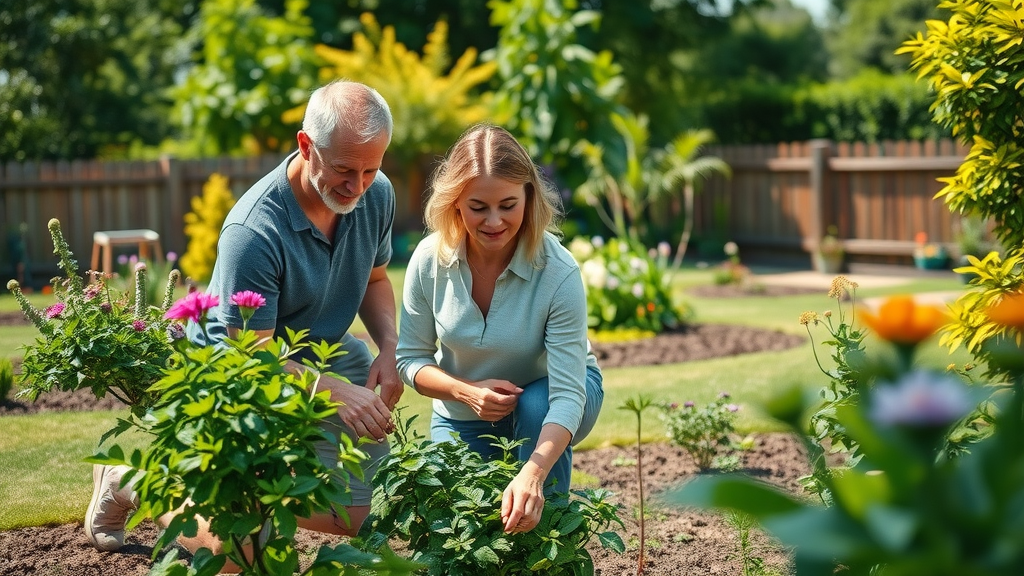
Essential Success Factors When Picking the Ideal Location for Your Garden
-
Sunlight: Most vegetables need at least 6-8 hours of direct sunlight daily. Choose a garden site that receives abundant sun for as much of the day as possible; hours of sun are the backbone of excellent harvests for crops like peppers and tomatoes. Inadequate exposure will result in spindly plants and sparse yields.
-
Soil Quality: Good soil is the anchor of any successful garden. Before you put your garden in the ground, evaluate soil pH, organic matter content, and the presence of perennial weeds. Conduct a soil test to determine the best amendments and seek a spot with crumbly, fertile, and well-draining earth.
-
Water Access and Proximity: Your vegetable garden should be close enough to a reliable water source to encourage regular watering and maintenance. Nobody wants to haul heavy watering cans across the yard. The location should also be convenient for daily visits, encouraging consistent care throughout the growing season.